

Igniting 'Nduja's Ancient Fire: 5 Fusion Pairings That Honor Tradition Without Taming the Heat
Bridging the gap between Calabrian tradition and global flavor alchemy.

The Fire of Spilinga: A Legacy in Every Bite
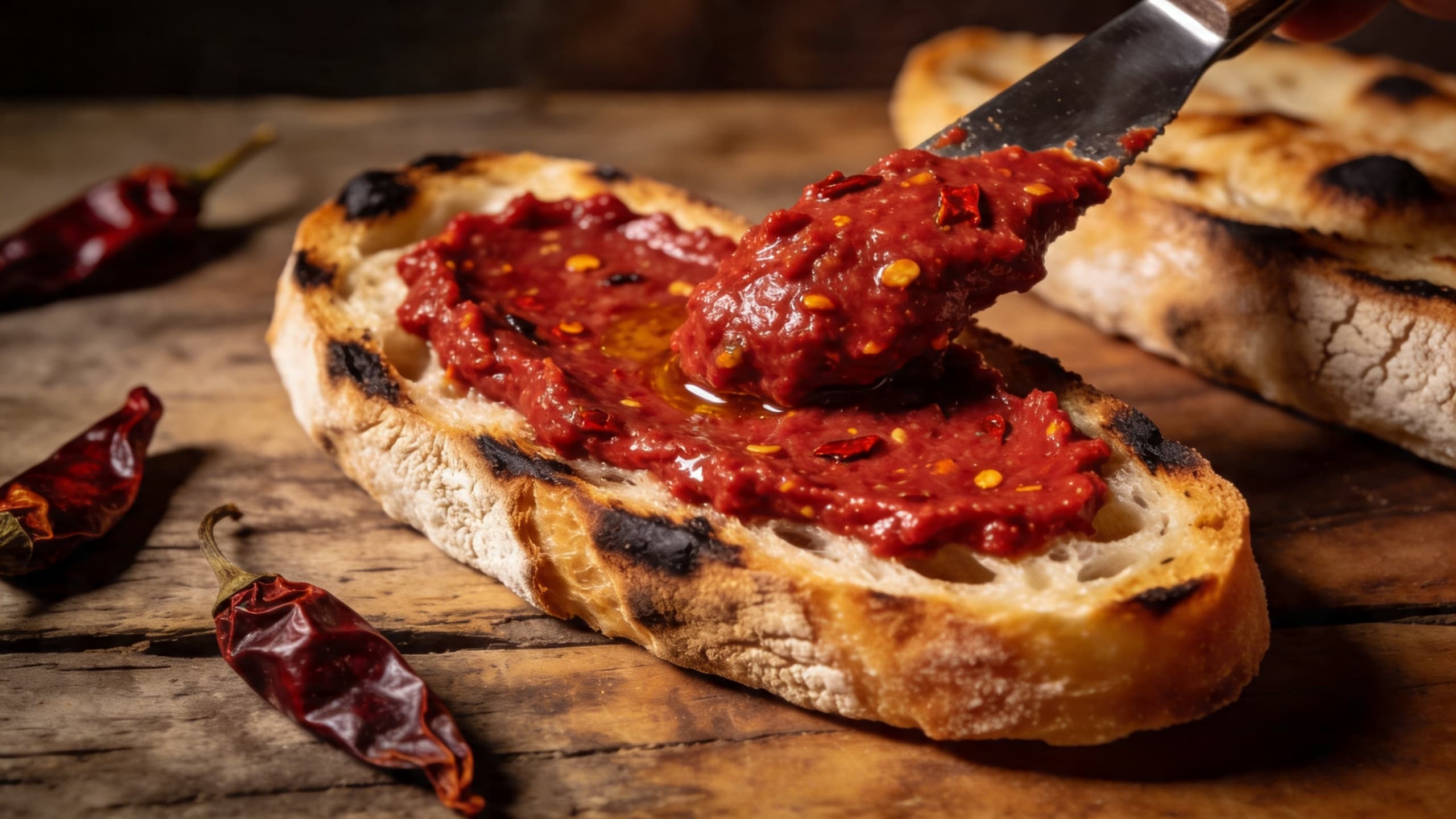
In the sun-drenched, rugged landscapes of Calabria, there is a flame that never goes out. It isn’t just the Mediterranean sun; it’s the 'Nduja. This fiery, spreadable salume is more than just an ingredient; it is the "cucina povera" (peasant cooking) soul of Italy, born from necessity and perfected by time.
Growing up with the scent of slow-simmering sauces, I learned early on that 'Nduja was the secret weapon of the Calabrese kitchen. It was the "poor man's" meat, made from the parts of the pig that others discarded—the lungs, the heart, the trimmings—all preserved through the sheer power of salt, smoke, and an incredible amount of local peperoncino.
The Science of the Spread
What makes 'Nduja unique isn't just the heat; it's the fermentation. Unlike hard salamis, 'Nduja remains soft and spreadable. This is due to the high fat content (often up to 50%) and the specific ratio of chili peppers. The capsaicin in the chilies acts as a natural preservative, while the fermentation process creates a complex, lactic tang that balances the rich, smoky pork.
Did You Know? Traditional 'Nduja from Spilinga uses a ratio of roughly one part chili to three parts pork. It’s this massive hit of Vitamin C and capsaicin that allowed peasants to preserve the meat without expensive refrigeration.
My Fusion Trial by Fire
My journey with 'Nduja took a radical turn when I began traveling through Southeast Asia. I remember sitting in a small shack in Bangkok, sweating over a bowl of Tom Yum, and thinking: This heat, this sourness... it’s the cousin of my home.
I started experimenting. My first "failure" was trying to use 'Nduja as a direct substitute for shrimp paste in a curry. The pork fat overwhelmed the delicate lemongrass. It was a greasy mess. But that failure taught me the most important lesson of fusion: Respect the fat, but control the flame.
Great cooking is about technique, not complexity. Fusion is not about replacing; it’s about finding where two souls meet.
5 Fusion Pairings That Honor the Flame
1. The Umami Anchor: 'Nduja and Miso
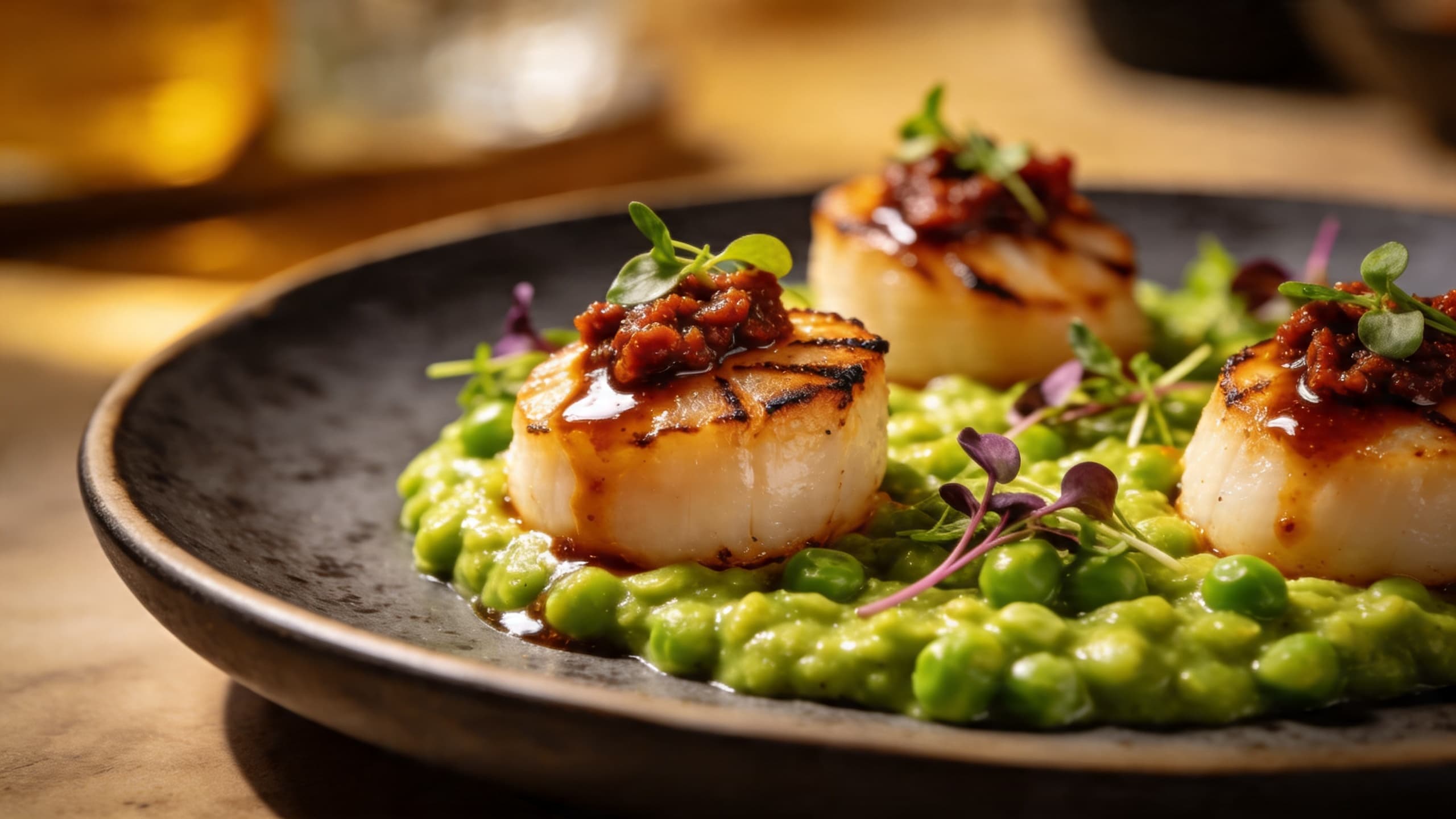
One of my most successful "accidents" was whisking a teaspoon of 'Nduja into a white miso glaze for black cod. The fermented funk of the miso shakes hands perfectly with the lactic tang of the 'Nduja. The pork fat renders out, basting the fish in a spicy, golden oil.
2. The Tropical Contrast: 'Nduja and Charred Pineapple
In Mexico, I saw how Al Pastor used pineapple to cut through fatty pork. I applied this to 'Nduja by topping grilled pineapple rings with a dollop of the spicy paste and a squeeze of lime. The acidity of the fruit "tames" the heat just enough to let the smoky pork notes sing.
3. The Seafood Bridge: 'Nduja and Lemongrass
Instead of using 'Nduja as a base, I now use it as a finishing touch for steamed mussels. I sauté lemongrass, ginger, and garlic, then whisk in 'Nduja at the very last second. It creates a "broken" sauce that looks like liquid gold and tastes like a Mediterranean-Thai sunset.
4. The Earthy Bond: 'Nduja and Foraged Mushrooms
Inspired by the foraged mushrooms video, I’ve found that the deep, earthy notes of porcini or chanterelles are the perfect foil for 'Nduja’s brightness. I render the 'Nduja first until the oil is released, then hard-sear the mushrooms in that spicy fat. It’s a pairing that feels ancient and modern all at once.
5. The Creamy Balance: 'Nduja and Coconut Milk
While I’ve sworn off burrata for a while to challenge myself, I found a new creamy ally: coconut milk. Simmering 'Nduja in full-fat coconut milk creates a sauce that is velvety, spicy, and hauntingly complex. It’s incredible over hand-torn pasta or grilled shrimp.
Pro-Tips for Working with 'Nduja
Pro Tip: Always start your 'Nduja in a cold pan if you want to render the oil for sautéing. If you want to keep the "meat" texture, add it to a hot sauce at the very end of cooking.
Warning: 'Nduja "blooms" in heat. What tastes mildly spicy at room temperature will double in intensity once it hits a hot pan. Taste as you go!
The Legacy Continues
'Nduja is a reminder that beauty can be found in the "scraps." It is a testament to Calabrian resilience. When we pair it with ingredients from the Silk Road or the tropics, we aren't "diluting" its heritage—we are proving its timelessness.
Key Takeaway: To master 'Nduja fusion, look for ingredients that offer high acidity (citrus, vinegar) or deep earthiness (mushrooms, fermented beans) to balance the intense fat and heat.
Taste the history. Respect the lineage. And never be afraid to let the fire lead the way.
#nduja #calabrianfood #fusioncuisine #chefxi #spicylife