

Gremolata Reimagined: Elevating Ancient Italian Zest with Smoke, Mole, and Tropical Twists
Bridging the gap between Lombardy's zest and the world's smoke.

The Zest of Memory: Finding My Voice Between Milan and the Smoker
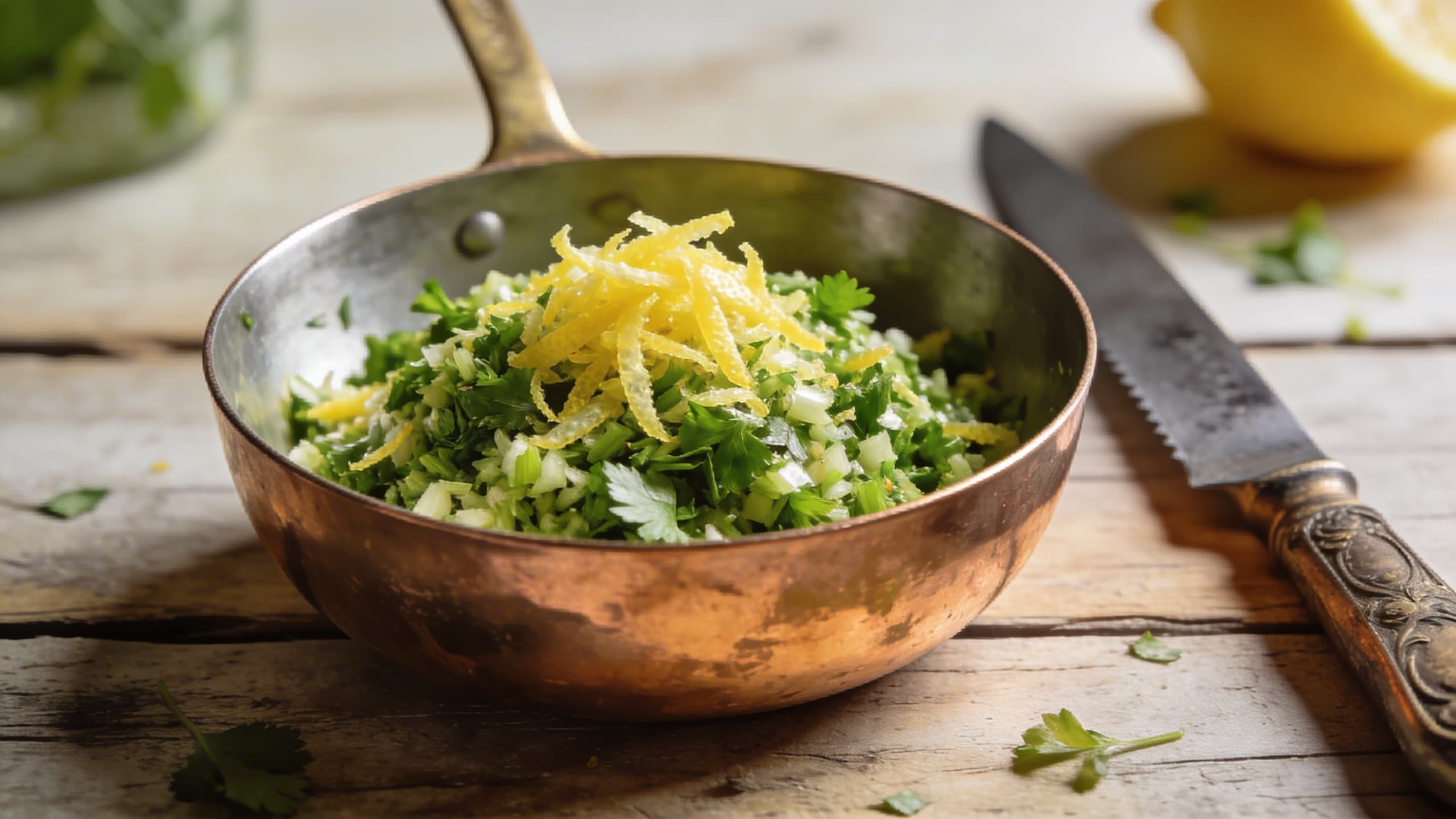
I still remember the first time I truly understood gremolata. I was standing in a sun-drenched kitchen in Lombardy, watching a pair of weathered hands finely mince flat-leaf parsley, garlic, and lemon zest. There was no food processor, no fancy gadgets—just the rhythmic thump-thump of a knife against wood. When that vibrant green dust hit the rich, fatty surface of a slow-braised Osso Buco, the transformation was instant. The heavy became light; the ancient became immediate.
But as my culinary journey took me from the cobblestones of Italy to the smoke-filled pits of the American South and the vibrant markets of Oaxaca, I started to wonder: why does this "holy trinity" of Italian freshness have to stay in Milan?
Ingredients are the ink, the plate is the page. Why write the same story twice?
In my early days of experimenting, I’ll admit I made plenty of mistakes. I once tried to make a "fusion" gremolata with cilantro and lime for a smoked brisket, but I didn't account for the heat of the garlic against the smokiness of the meat. It was a sharp, bitter disaster. I realized then that gremolata isn't just a recipe—it’s a piece of flavor science designed to cut through fat and salt. To evolve it, I had to respect the lineage while daring to change the DNA.
The Master’s Blueprint: Why Gremolata Works
Before we break the rules, we must know them. Traditional gremolata relies on three pillars:
- The Herb (Parsley): Provides a clean, grassy "middle" note.
- The Allium (Garlic): Adds a sharp, pungent bite that lingers.
- The Acid (Lemon Zest): The high-frequency note that wakes up the palate.
When you pair this with something like a smoked lamb shoulder or a slow-grilled pork belly, the citrus oils actually help dissolve the perception of heavy fats on your tongue, making every bite feel like the first one.
From Milan to the Mesquite: My Trial by Fire
The breakthrough happened during a humid summer afternoon in Texas. I was smoking a rack of ribs rubbed with a deep, earthy mole spice blend—cocoa, cinnamon, and dried chiles. The traditional lemon and parsley felt... thin. It lacked the "soulful" weight needed to stand up to the mesquite smoke.
I started swapping. Instead of lemon, I used charred orange zest to bring out a floral, smoky sweetness. Instead of just parsley, I brought in toasted pumpkin seeds (pepitas) for a nutty crunch that mirrored the mole.
Tip: When using citrus zest in fusion gremolata, try lightly charring the fruit whole on the grill before zesting. It caramelizes the sugars in the peel and adds a sophisticated "terroir" to the mix.
The "Mole-Grill" Gremolata Evolution:
- The Base: Flat-leaf parsley and a touch of fresh oregano.
- The Zest: Charred orange and lime.
- The Funk: Micro-planed fermented black garlic instead of raw.
- The Twist: Crushed smoked almonds for texture.
Practical Tips for Your Own Fusion Journey
You don't need a professional kitchen to reinvent this classic. You just need to look at your protein and ask: "What does this fat need to be balanced?"
- Texture is King: Traditional gremolata is fine, almost like a dry rub. In fusion versions, I love a bit of "rubble." Think toasted breadcrumbs (pangrattato), crushed nuts, or even dehydrated olives.
- The Garlic Dilemma: Raw garlic can be aggressive. If you're serving a delicate grilled fish, try using roasted garlic paste or even finely minced shallots soaked in ice water to take the edge off.
- Go Beyond Citrus: While zest is traditional, I’ve had incredible success using sumac or even finely chopped preserved lemons for a North African/Mediterranean bridge.
Pro Tip: Never use a food processor. The high-speed blades bruise the parsley and can make the garlic taste bitter. A sharp knife ensures the oils stay inside the ingredients until they hit the hot meat.
The Tropical Bridge: Pineapple and Sage
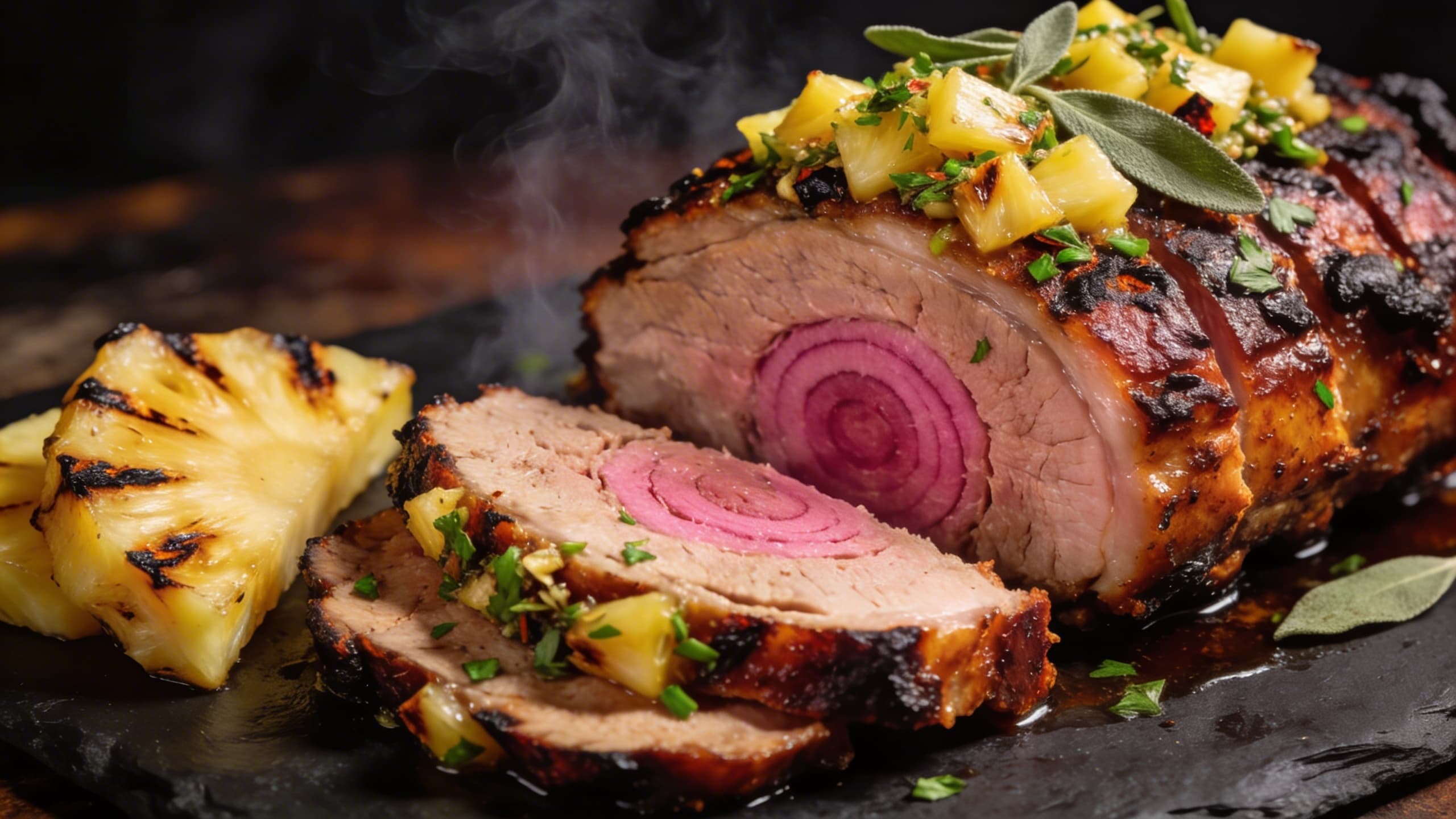
One of my favorite recent "reimagined" versions involves grilled pineapple. By finely dicing grilled pineapple "leather" (pineapple sliced thin and dried/charred) and mixing it with sage and lemon zest, you create a gremolata that is absolutely transcendent on smoked pork chops. It bridges the gap between the sweetness of the fruit and the savory, piney notes of the sage.
Key Takeaway: Respect the Lineage
Key Takeaway: Gremolata is a tool for balance. Whether you use lemon and garlic or lime and ginger, the goal remains the same: to provide a vibrant, aromatic contrast to the rich, soulful flavors of the grill.
Don't be afraid to fail. That bitter brisket I mentioned earlier? It taught me more about the "essence" of garlic than a dozen successful dinners ever could. Taste the history, but don't be afraid to write your own chapter.
How are you zesting up your next BBQ? Share your fusion experiments in the comments below! #gremolata #fusioncooking #bbqlife #chefxi