

Gremolata Reimagined: 5 Fusion Twists That Elevate Grilled Meats Without Losing Heritage
Respecting the Italian lineage while daring to pair it with the world.

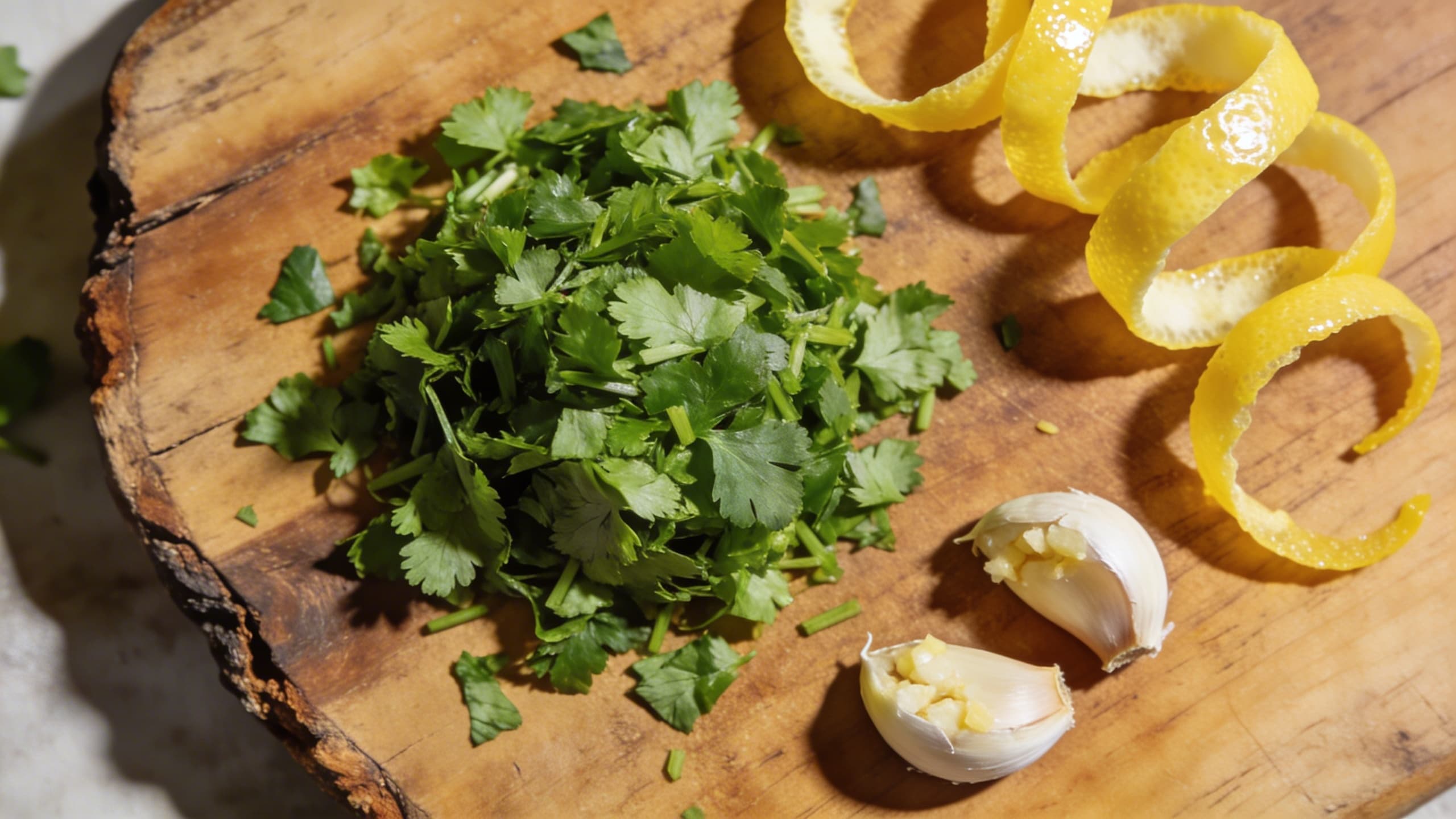
In the heart of a Roman kitchen, there is a silence that only the rhythmic tap-tap-tap of a knife can fill. This is the sound of heritage. Gremolata, in its most skeletal, ancient form, is a triad of simplicity: parsley, garlic, and lemon zest. It was designed as the high-frequency counterpoint to the deep, bass notes of Osso Buco alla Milanese—a burst of volatile oils to cut through marrow and slow-braised tendon.
But as a nomad who has traded the cobblestones of Rome for the smoke-filled pits of the American South and the vibrant markets of Bangkok, I see the classic gremolata not as a finished masterpiece, but as a blueprint. To respect the lineage of an ingredient is to understand its function; to evolve it is to apply that function to a new world.
The Flavor Science of the Zest
Why does gremolata work? It is a matter of molecular precision. The limonene in lemon zest and the allicin in raw garlic create a chemical "brightness" that resets the palate. When we introduce global elements, we aren't just swapping ingredients; we are recalibrating the frequency of the dish.
Through my own trial-and-error—some of which resulted in "harmonious disasters" where the garlic overpowered the delicate herbs—I’ve found that the secret lies in the crunch. Traditional gremolata is soft. When we add nuts like pistachios or Marcona almonds, we introduce a fatty, toasted element that bridges the gap between the lean protein of a grilled lamb chop and the sharp acidity of the citrus.
Balance is not the absence of conflict, but the resolution of it on the plate.
5 Fusion Twists to Master
1. The Sicilian-Persian Bridge: Pistachio & Lime
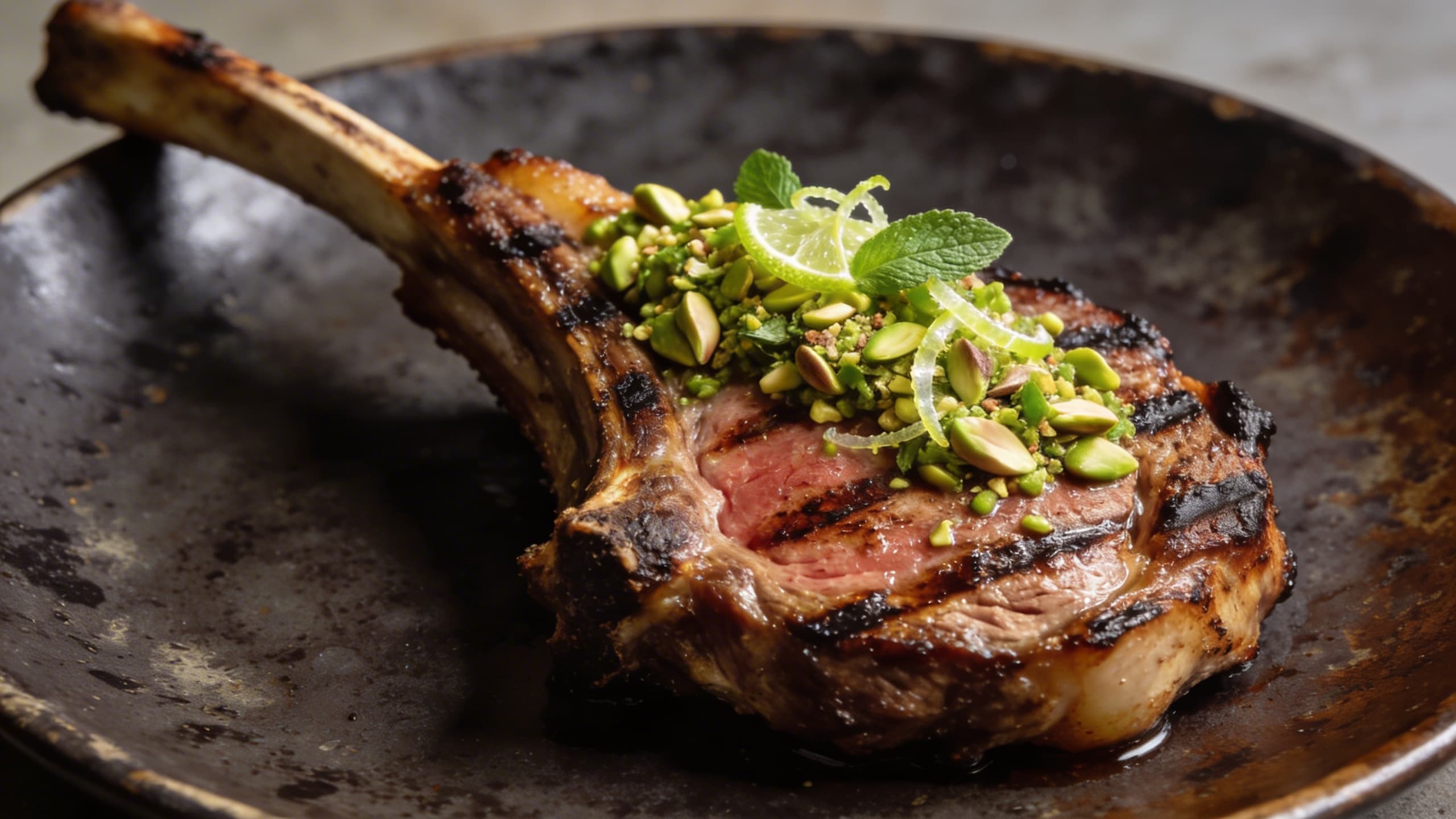
This is my personal favorite for lamb. The resinous quality of the pistachio mimics the gaminess of the meat, while lime provides a more aggressive acidity than lemon.
- The Experiment: I once tried using untoasted pistachios, and the result was "muddy." Always toast your nuts until they just begin to release their aroma.
- Best For: Grilled lamb lollipops or fatty pork steaks.
2. The Yucatecan Pulse: Cilantro, Habanero & Orange
Replacing parsley with cilantro changes the herbal profile from "earthy" to "citrus-forward." By using orange zest and a micro-minced sliver of habanero, you create a gremolata that sings on smoky BBQ brisket.
Pro Tip: When using habanero, remove all seeds and pith. You want the floral aroma of the pepper, not a heat that numbs the taste buds.
3. The Umami Bomb: Nori, Sesame & Ginger
Inspired by my time in Japanese kitchens, this version swaps lemon for yuzu (or grapefruit) and adds toasted sesame seeds and finely shredded nori. It creates a savory "sea-salt" finish that is transformative on grilled ribeye.
4. The Mediterranean Smoke: Smoked Paprika & Walnut
By rubbing the garlic in a pinch of pimentón (smoked paprika) before mixing it with parsley and toasted walnuts, you create a bridge between the grill's char and the fresh herbs.
5. The Southeast Asian Zest: Lemongrass & Peanut
Finely minced white parts of lemongrass, crushed roasted peanuts, and Thai basil. This is a radical departure, but the "ping" of the lemongrass serves the exact same functional purpose as the traditional lemon zest.
The Step-by-Step Customization Logic
To create your own reimagined gremolata, follow this algorithmic approach:
- The Base Herb (60%): Start with a leafy green. Parsley is the standard, but consider Mint (for lamb), Cilantro (for pork), or Thai Basil (for beef).
- The Aromatic (10%): Raw garlic is traditional. For a softer touch, use shallots or ginger.
- The Zest (15%): This is your high note. Lemon, Lime, Orange, or Yuzu.
- The "Crunch" Factor (15%): This is where the fusion happens. Pistachios, Macadamias, or even toasted Panko for a textural contrast.
Avoiding the "Muddy" Pitfall
The most common mistake in fusion gremolata is moisture management. If your herbs are wet when you chop them, they will bruise and turn into a paste.
Warning: Never use a food processor for gremolata. The high-speed blades heat the herbs and emulsify the oils, turning a bright garnish into a bitter green sludge. Always use a sharp knife and a hand-chopping motion.
Key Takeaway: Gremolata is a finishing touch. Add it seconds before serving to ensure the volatile oils are at their peak when they hit the diner's nose.
Respecting the Lineage
When you serve a Pistachio-Lime Gremolata over a grilled steak, you are telling a story that starts in Rome and ends in your own backyard. You are respecting the essence of the technique—the need for brightness—while acknowledging that the world of flavor is much larger than a single peninsula.
Go forth and chop. Taste the history, but don't be afraid to rewrite a few lines.