

Farro's Timeless Italian Soul Meets Fiery Malagueta: 5 Fusion Pitfalls I Learned the Hard Way
Navigating the delicate balance between Roman heritage and African fire.

The Grain That Built Rome Meets the Fire of the Atlantic
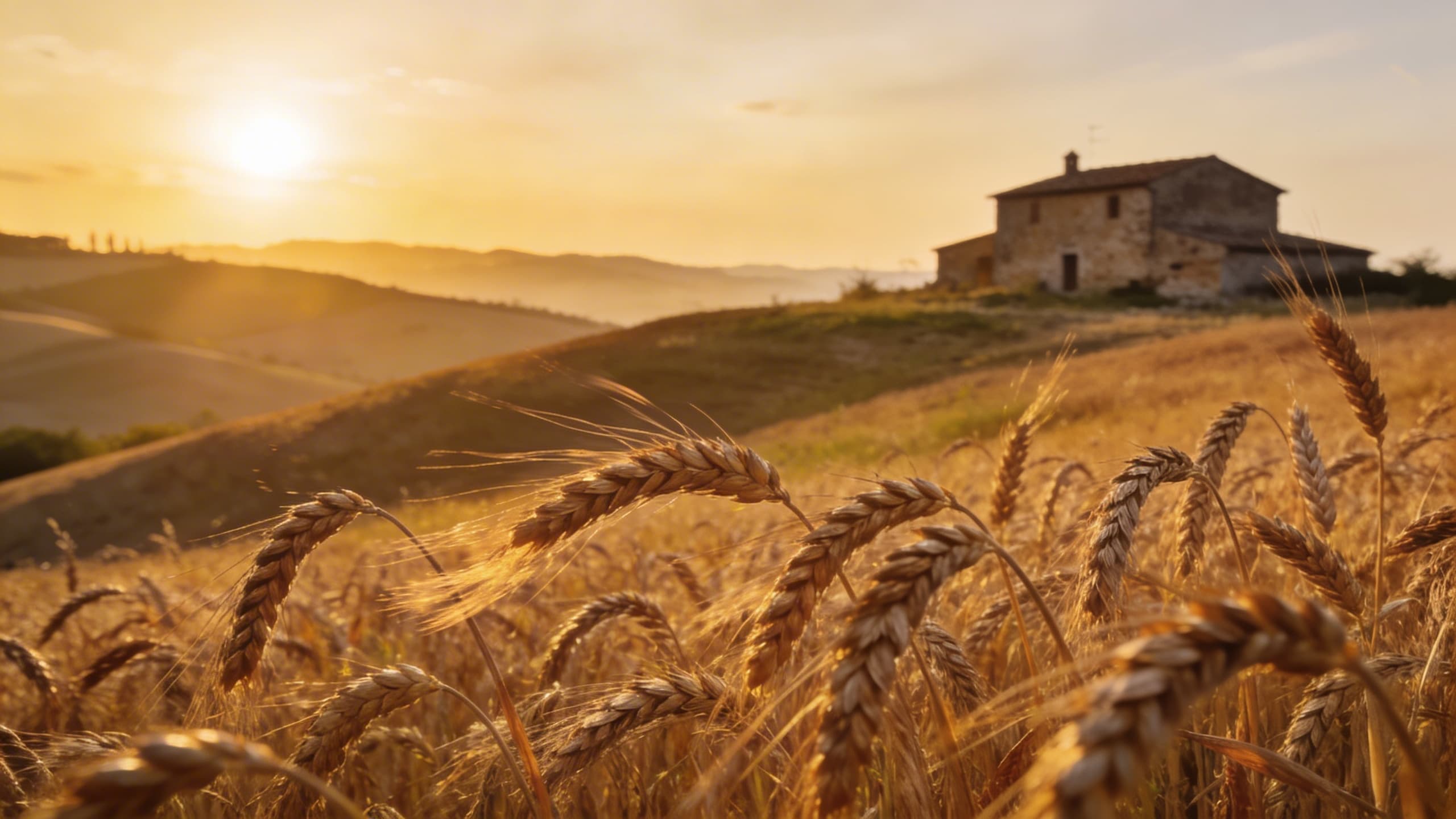
Farro is not just a grain; it is a legacy. Long before modern wheat dominated our plains, this ancient "mother grain"—specifically Emmer—sustained the Roman legions. It was the currency of survival, a nutty, resilient staple that defined the Mediterranean palate for millennia. But as a nomad of flavor, I’ve always wondered: what happens when this stoic Italian soul meets the untamed, electric heat of the African Malagueta pepper?
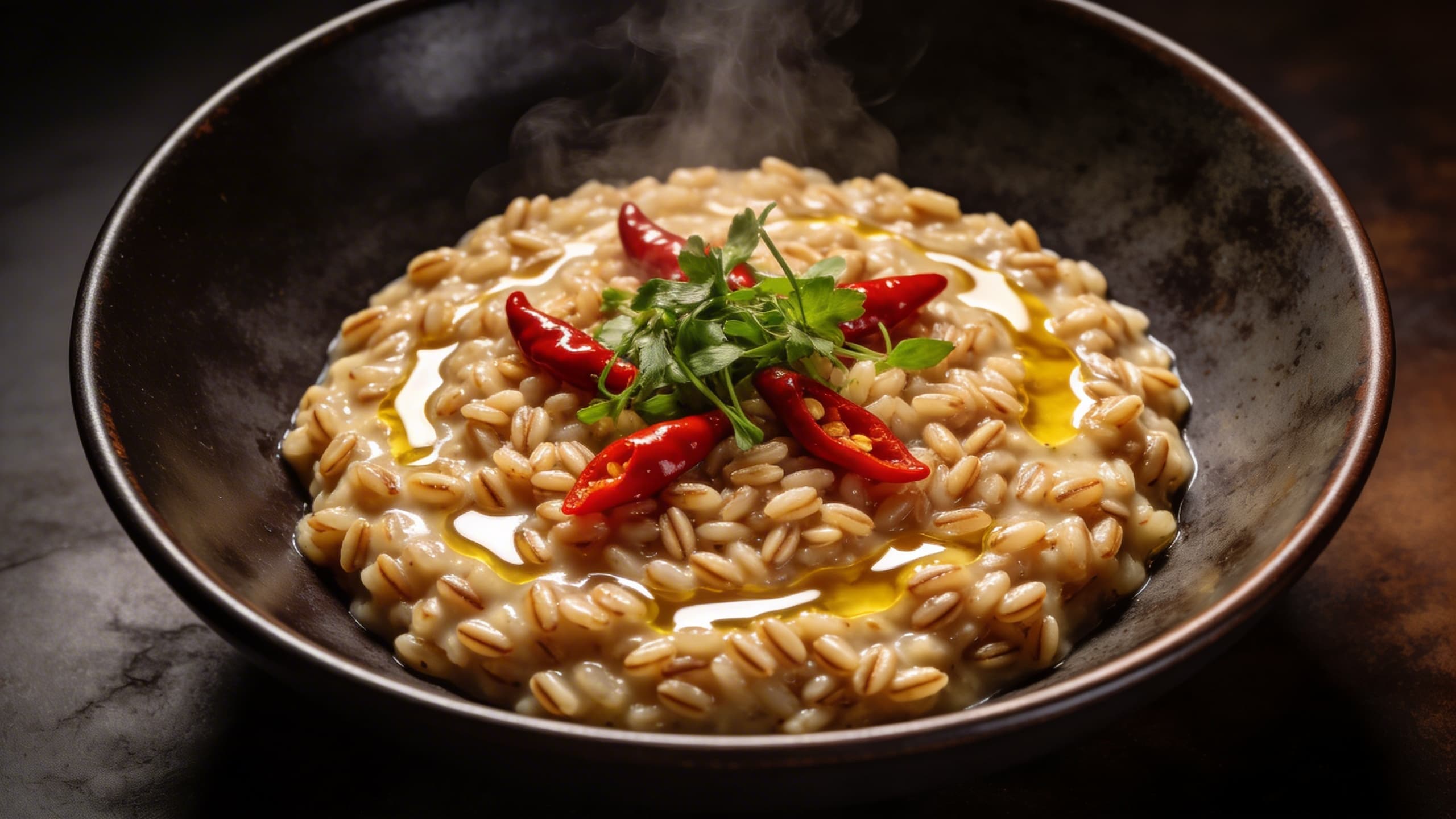
The Malagueta is a tiny titan. Brought to Brazil and parts of Africa via Portuguese trade routes, it carries a citrusy, high-voltage sting that is worlds apart from the earthy, slow-burn of Italian pepperoncino. Marrying the two seemed like a stroke of genius—a "Risotto-style" Farrotto that bridged continents. However, the road to harmony was paved with some truly disastrous dinners.
1. The "Texture Tussle": Over-mashing for Creaminess
In my early attempts to create a creamy "Farrotto," I treated farro like Arborio rice. I stirred and stirred, hoping to release enough starch to create that signature velvet finish.
Warning: Unlike rice, whole-grain farro has a tough bran coat. If you over-agitate it in a pan with high heat and acidic Malagueta brine, you don't get creaminess—you get a "shattered" grain that is mushy on the outside and unpleasantly hard in the center.
The Fix: Use semi-perlato (semi-pearled) farro. It retains enough fiber for that historic "pop" but allows just enough starch to escape. Let the heat do the work, not your spoon.
2. The Malagueta "Muddle": Losing the Grain’s Nutty Essence
The first time I used Malagueta, I threw the whole peppers into the sauté base. The result? A dish so blindingly spicy that the delicate, walnut-like provenance of the farro was completely incinerated.
Pro Tip: Malagueta peppers are high in acidity. To preserve the farro's earthy soul, infuse your cooking broth with the peppers and then remove them before adding the grain. This creates a "ghost heat" that haunts the dish without overstaying its welcome.
3. The "Stock Stumble": Using Heavy Meat Broths
I thought a heavy beef stock would stand up to the Malagueta’s fire. I was wrong. The combination created a muddy, heavy flavor profile that felt like a chore to eat.
True harmony in fusion is not about volume; it is about finding the frequency where two different worlds vibrate as one.
The Fix: Switch to a light, toasted vegetable stock or even a corn-husk infusion. The sweetness of corn or roasted carrots acts as a natural mediator between the grain’s earthiness and the pepper’s zing.
4. The "Acid Accident": Early Lemon Addition
In Italian cooking, we love a finishing squeeze of lemon. But Malagueta peppers are already fermented or preserved in vinegar quite often. Adding lemon too early tightened the farro proteins, making the grains feel like rubber pellets.
Did You Know? Ancient Romans often cooked farro with honey or dried fruits to balance its savory nature. When working with fiery African spices, a touch of honey or a splash of coconut milk (a nod to Afro-Brazilian influence) can save a dish from "acid fatigue."
5. The "Resting Regret": Serving Too Fast
Farro is a slow-motion grain. It continues to absorb moisture long after the flame is out. My early fusion Farrottos often turned into dry, spicy bricks on the plate because I didn't account for the "carry-over" absorption.
Key Takeaway: Always finish your Farrotto while it still looks slightly too wet—almost like a thick soup. Cover it, let it rest for exactly 4 minutes, and watch as it transforms into a silky, cohesive masterpiece.
Respecting the Lineage
Fusing the Roman farro with the Malagueta fire taught me that "bold" doesn't mean "loud." It’s about respecting the thousands of years of history in that grain while daring to give it a new, vibrant companion.
Tip: If you’re trying this at home, start with a 2:1 ratio of farro to liquid, and keep your Malagueta count low. You can always add more fire, but you can't un-burn the history out of the pot.
Taste the history. Respect the fire.
#fusioncooking #ancientgrains #farro #malagueta #chefxi