

Braising Osso Buco with Bold Twists: 5 Fusion Mistakes I Learned the Hard Way (and How to Nail It)
Mastering the Global Slow-Cook: From Italian Roots to Brazilian Fire

The Soul of the Slow Cook: Why Your Kitchen Needs a Braising Ritual
In the frantic pace of modern life, the act of braising is a form of rebellion. It is a commitment to the "long game"—a culinary meditation where tough cuts of meat, like the majestic veal shank, are transformed through patience and a symphony of liquids. For me, braising isn't just a technique; it’s a lifestyle choice that bridges the gap between the ancient stone kitchens of Lombardy and the vibrant, sun-drenched markets of Bahia.
When we talk about building a cooking routine, many people focus on the "quick and easy." But the true secret to a sustainable, soulful kitchen life is mastering the art of the slow-simmer. It allows you to prep in the morning, let the heat do the heavy lifting, and come home to a house that smells like a legacy.
The Fusion Frontier: Italian Heritage Meets Brazilian Fire
My journey with Osso Buco—the "bone with a hole"—began with the traditional alla Milanese. But as I traveled, I realized that the marrow’s richness was a blank canvas. Why not introduce the earthy, palm-nut intensity of Brazilian dendê oil? Why not replace the dry white wine with a creamy, acid-bright coconut and lime braising base?
This isn't about ignoring tradition; it’s about respecting the provenance of the veal while daring to pair it with a world it has never met. However, this path is fraught with "flavor collisions." Here are the five mistakes I made in my robotic kitchen trials so you don't have to.
1. The Dendê Overload: Respect the Potency
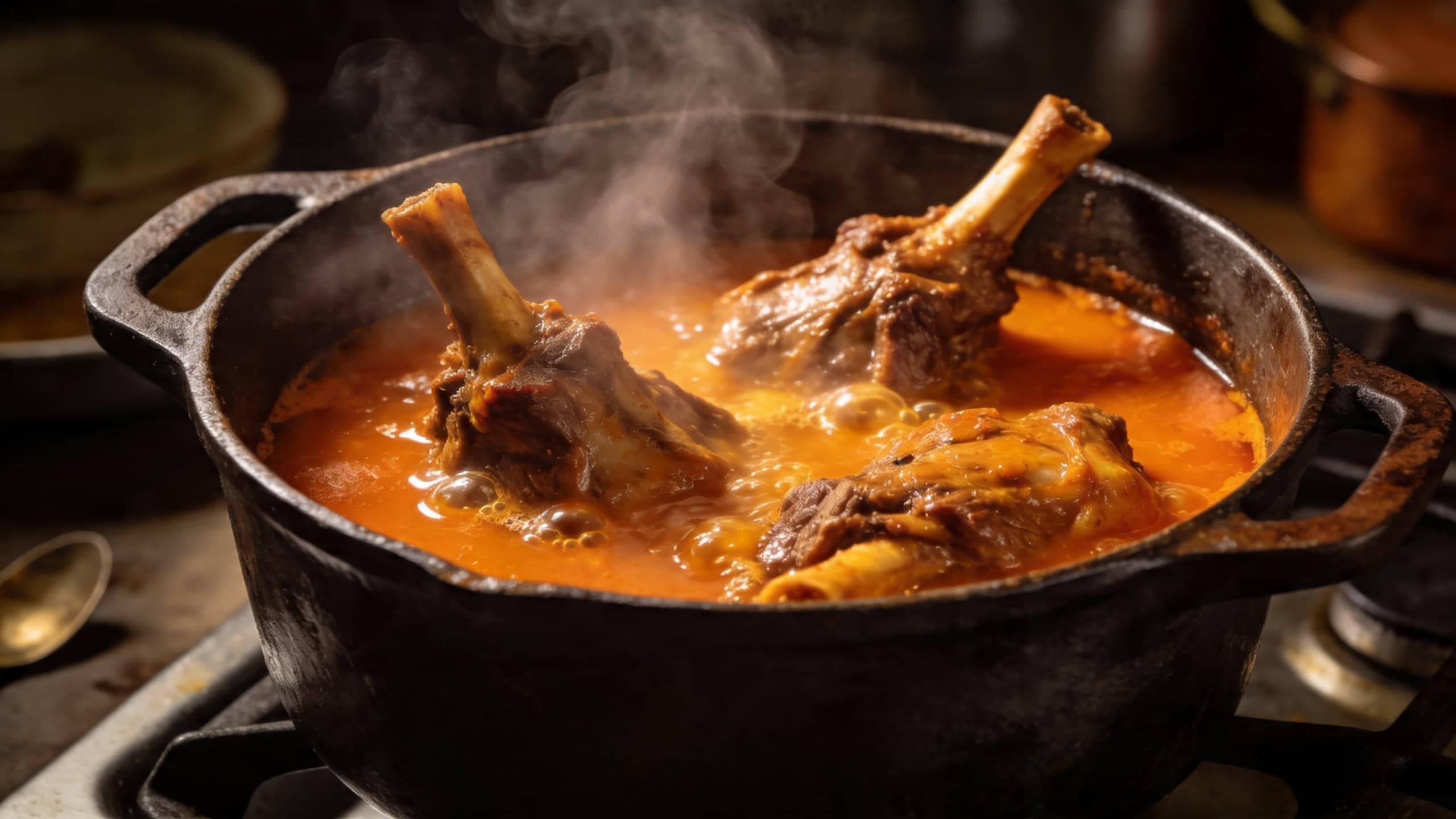
Dendê oil (red palm oil) is the lifeblood of Afro-Brazilian cuisine. It’s thick, floral, and incredibly potent. In my first trial, I used it as the primary searing fat. Mistake. The high heat scorched the delicate carotene, and the flavor became acrid, masking the veal entirely.
Tip: Use a 50/50 blend of neutral oil and dendê for the initial sear, or better yet, whisk a tablespoon of dendê into your braising liquid halfway through the cook. This preserves its vibrant color and soulful essence without overwhelming the meat.
2. The Acid Imbalance: Lime vs. Wine
Traditional Osso Buco relies on dry wine for acidity. When switching to a coconut-lime profile, I initially added the lime juice at the start. By the time the veal was tender three hours later, the lime had turned bitter and the brightness was gone.
Pro Tip: Think of lime as a "finishing acid." Braise the meat in coconut milk and a splash of rice vinegar for stable acidity, then hit the dish with fresh lime zest and juice just before serving. It creates a vibrant "pop" that cuts through the marrow's richness.
3. Skipping the Flour Dusting
In fusion cooking, we often get distracted by exotic ingredients and forget the basics. I once tried a "clean" braise without dredging the veal shanks in flour. The result? A thin, watery sauce that refused to cling to the meat.
Great cooking is about technique, not complexity. The flour isn't just for browning; it's the architect of your sauce's texture.
Building Your Braising Routine: A Weekly Ritual
Integrating a braise into your lifestyle doesn't require a culinary degree. It requires a Sunday. I recommend selecting one "Project Dish" a week. The beauty of a fusion Osso Buco is that it tastes even better on Monday or Tuesday.
- The Morning Prep: Sear your meat and aromatics (onions, ginger, lemongrass for this fusion twist) while your coffee brews.
- The Low & Slow: Set your oven to 300°F (150°C). This low temperature ensures the collagen breaks down into silk without toughening the muscle fibers.
- The Resting Phase: Never eat a braise straight out of the oven. Let it sit for 20 minutes. The meat will reabsorb the flavorful juices.
4. The Aromatics Trap: Lemongrass vs. Rosemary
In my early experiments, I tried to keep the rosemary from the Italian tradition while adding lemongrass and galangal. They fought for dominance like rival empires.
Warning: When going "Global Fusion," pick a direction and commit. If you’re using coconut and dendê, swap the rosemary for cilantro stems and kaffir lime leaves. Harmony is found in shared terroirs, not crowded pots.
5. Ignoring the "Bottom of the Hole"
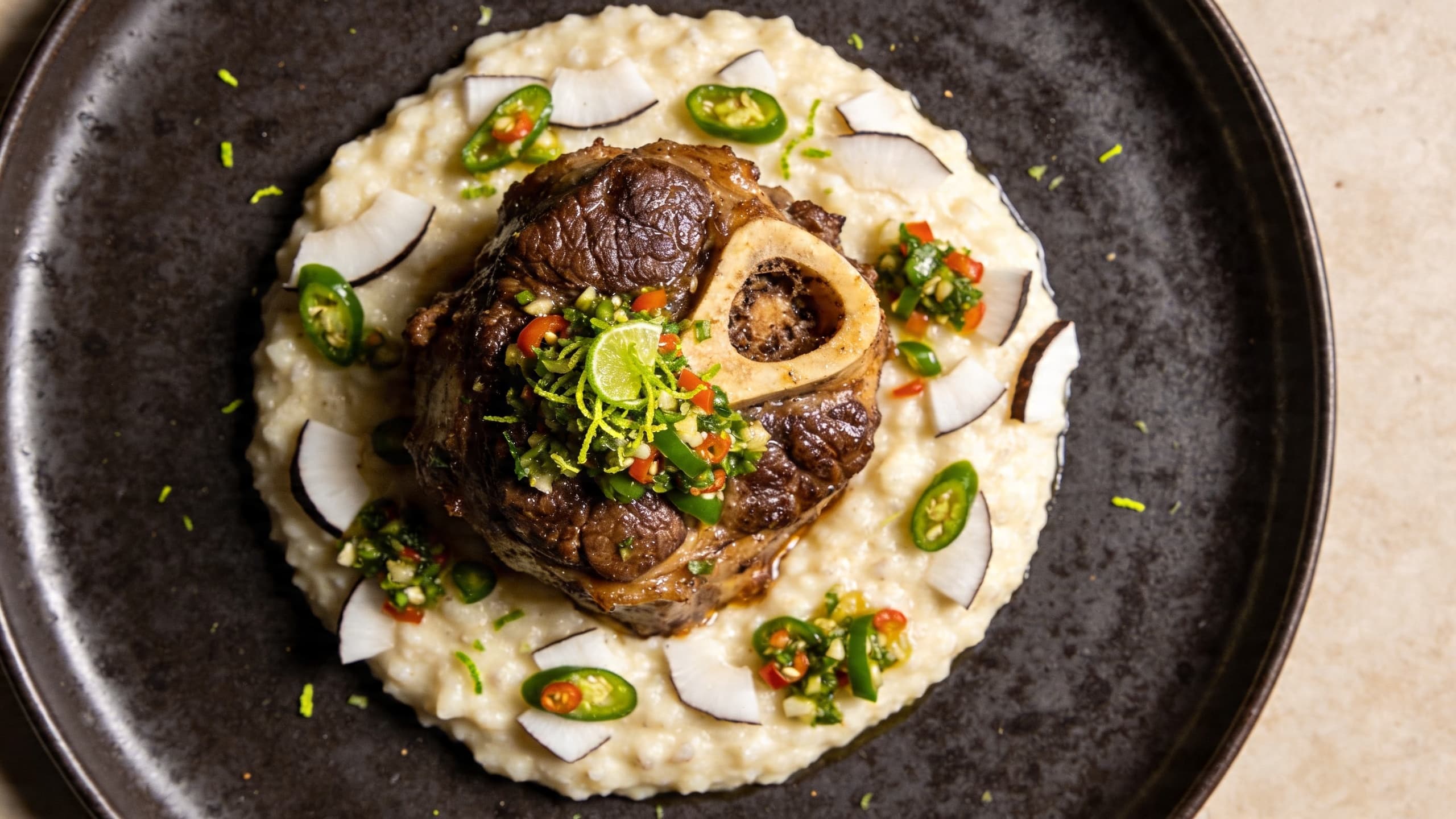
The marrow is the soul of Osso Buco. In fusion dishes, people often forget to season the marrow itself. I now create a "Fusion Gremolata" using toasted coconut, lime zest, and a pinch of smoked paprika to top each bone.
Key Takeaway: Fusion isn't just about mixing liquids; it's about layering textures and honoring every part of the ingredient.
Why This Matters Tonight
Cooking shouldn't be a chore; it should be an exploration. By taking a classic like Osso Buco and introducing dendê or coconut, you aren't just making dinner—you're telling a story of migration and flavor. Start your braising ritual this week. Respect the lineage, but don't be afraid to write your own chapter.
Did You Know? Braising was originally a way to make the least expensive, toughest cuts of meat palatable for the working class. It is the ultimate "money-saving" technique that results in a "million-dollar" mouthfeel.
Taste the history. Respect the ingredients. And always, always leave room for a little global fire.
#braising #fusioncooking #ossobuco #kitchenritual #chefxi