

Blistered Balsamic Grapes: The Italian Secret Weapon for Elevating Any Global Grill
How a Modena staple and a bit of flame can transform your BBQ game forever.

The Alchemy of the Blistered Grape
In the narrow cobblestone alleys of Modena, balsamic vinegar isn't just a condiment; it is a liquid legacy. But when I first brought a bottle of Aceto Balsamico Tradizionale into the humid, spice-laden air of a Bangkok night market, I realized that this Italian treasure was missing its dance partner: the flame.
We often think of fruit as a finishing touch—a cold garnish or a sweet dessert. But the real magic happens when you subject the humble red grape to the intense, dry heat of a grill. This is where the science of the Maillard reaction meets the art of Italian preservation. When grapes blister, their skins crack, releasing concentrated sugars that mingle with the charred exterior of your protein. It’s not just a sauce; it’s a structural transformation of flavor.
The Science of the "Burst"
Why grapes? Unlike berries, which collapse into a mushy jam, or stone fruits, which can become overly fibrous, grapes possess a unique pectin structure. As they heat up, the water inside evaporates, concentrating the glucose and fructose.
Did You Know? The Maillard reaction—the browning of sugars and amino acids—usually requires high heat. By "blistering" the grapes in a cast-iron pan or directly over charcoal before adding them to a balsamic reduction, you create complex bitter-sweet notes that a simple syrup can never replicate.
My Greatest Mishap: The "Syrup Sludge"
Early in my fusion journey, I made the mistake of reducing the balsamic and grapes together for too long. I ended up with a literal "grape tar" that stuck to a beautiful rack of lamb like industrial adhesive. It was a lesson in provenance and timing.
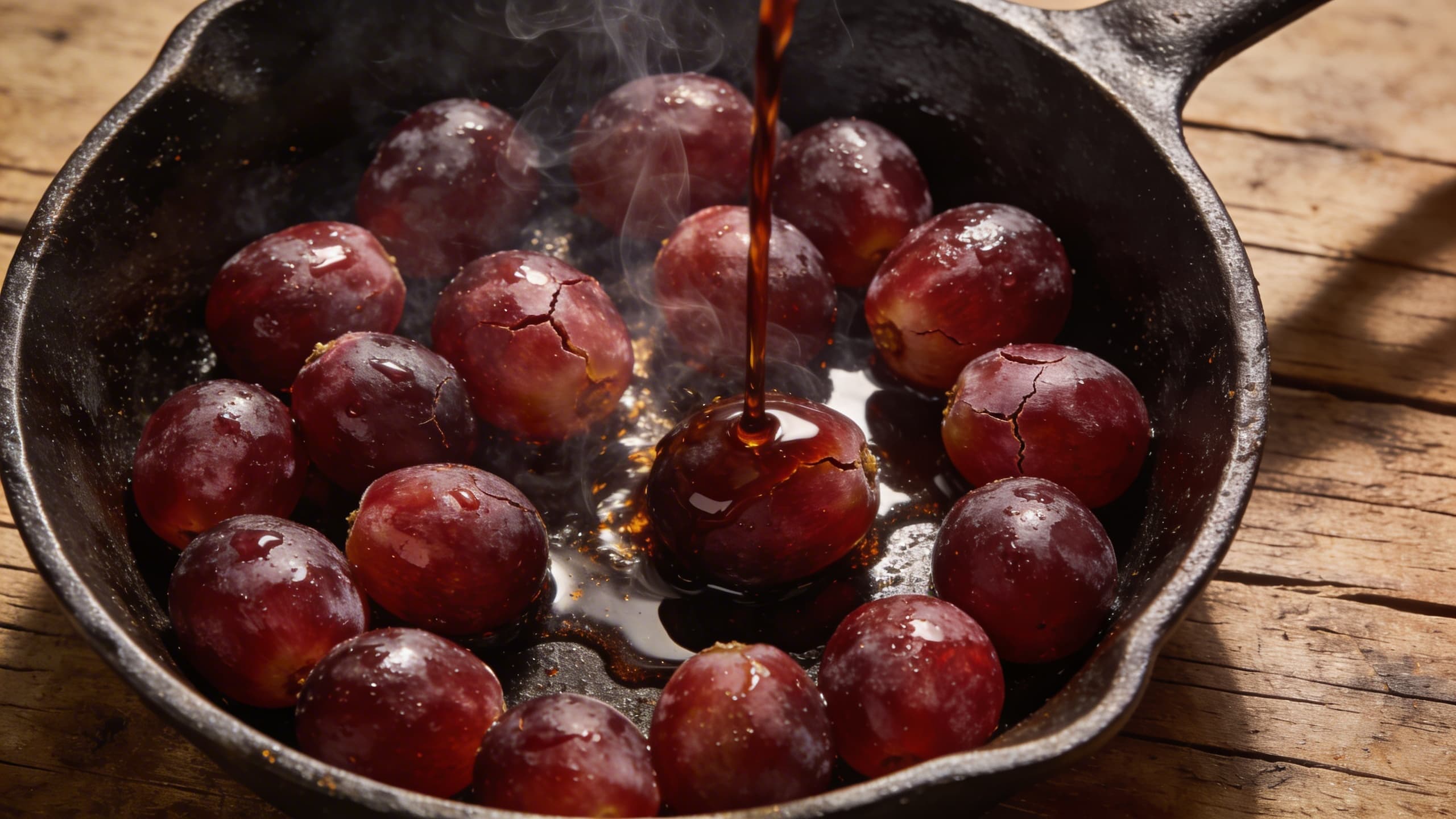
The secret is a two-stage process. You want to blister the grapes until they are just about to give up their ghost, then deglaze with a high-quality balsamic. This creates a "suspended" glaze—where the grapes remain whole enough to provide a textural pop, but soft enough to coat the meat.
Ingredients are the ink, the plate is the page. If the ink is too thick, the story is unreadable.
From Modena to Mekong: The Fusion Application
How does an Italian staple elevate a Thai-style grilled duck? It’s all about the harmony of acidity. Thai cuisine relies on lime or tamarind for brightness. Balsamic provides that same acidic backbone but adds a woody, fermented depth that bridges the gap between the smoky duck fat and the aromatic Thai basil.
The Technique:
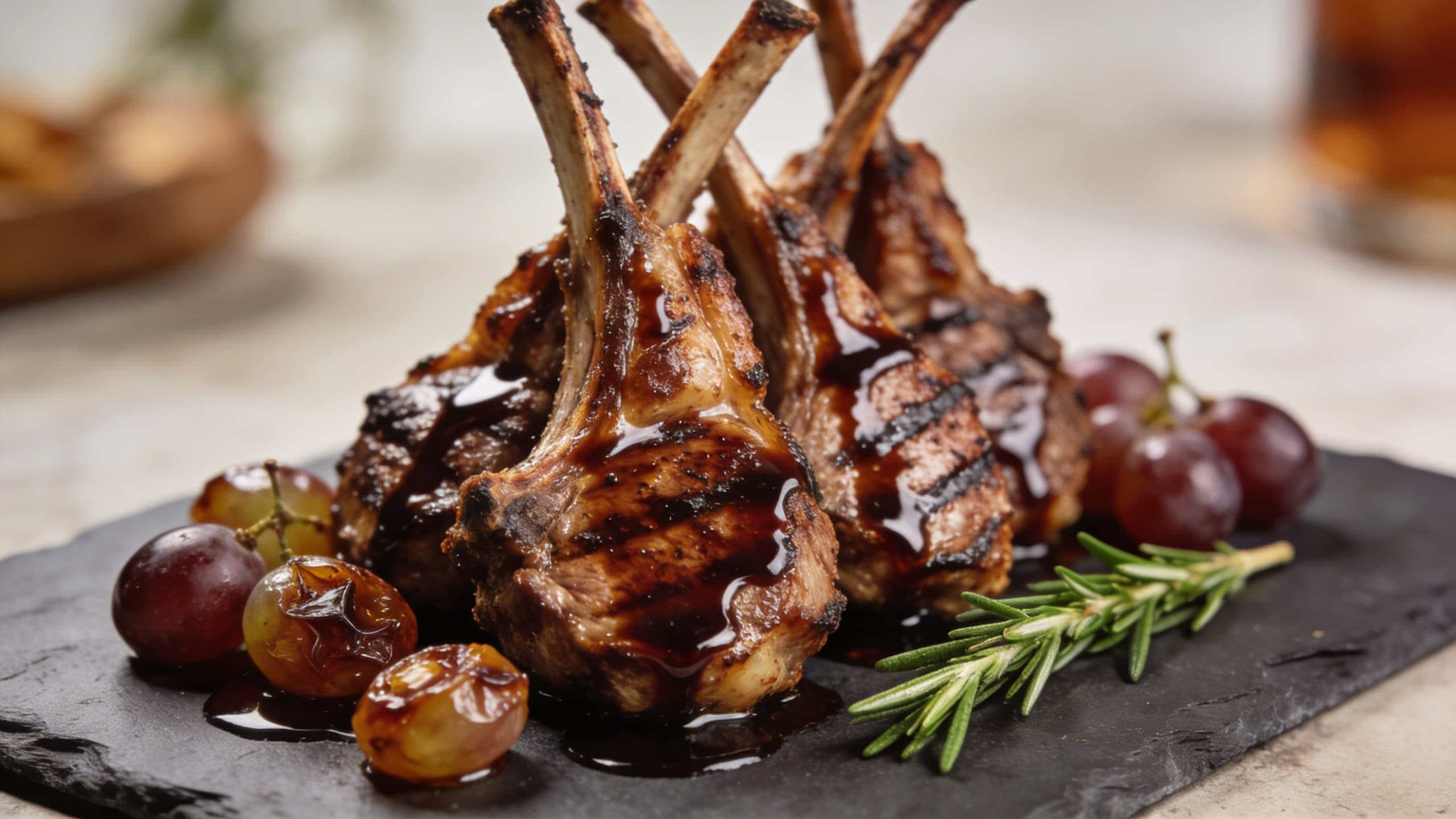
- The Sear: Grill your protein (lamb chops, duck breast, or even halloumi) until it’s 70% cooked.
- The Blister: In a side pan on the grill, toss your grapes with a touch of olive oil and sea salt. Wait for that audible pop.
- The Marriage: Pour in the balsamic. Let it bubble for exactly 90 seconds.
- The Glaze: Roll the meat in the resulting mixture. The residual heat from the meat will thicken the glaze into a glossy, mahogany coat.
Pro Tip: Use a splash of fish sauce or a pinch of red chili flakes in your balsamic reduction when pairing with fatty meats like duck. The umami from the fish sauce acts as a bridge between the Italian vinegar and the Asian flavor profile.
Why This Works for the Global Grill
Whether you are doing a Greek-style leg of lamb or a Southern-style smoked brisket, blistered balsamic grapes offer something a standard BBQ sauce cannot: Vibrant Elegance. It respects the lineage of the ingredients while daring to be bold.
Key Takeaways for the Home Chef
Key Takeaway:
- High Heat is Non-Negotiable: If the pan isn't screaming hot, the grapes will steam instead of blister.
- Quality Matters: Use Balsamic Vinegar of Modena (PGI) at a minimum. The thin, watery stuff won't glaze; it will only evaporate.
- The Texture Pop: Keep some grapes whole! The contrast between the savory meat and the "juice bomb" of a blistered grape is the ultimate culinary surprise.
Taste the history. Respect the science. And never be afraid to let a little Italian soul meet the smoke of the world.
#fusioncooking #grillingtips #balsamicglaze #chefxi #culinaryscience