

5 Stealthy Flavor Clashes in Italian Meat Fusion—and My Fixes from Wood-Fired Lamb and Porchetta Trials
Bridging Tuscany and the Tropics through Wood-Smoke and Spice

The Soul of the Fusion Trial
Cooking is not just about following a blueprint; it is about the provenance of flavor and the courage to let traditions collide. In my kitchen, the smell of wood-smoke is a constant companion, a bridge between the rustic hills of Tuscany and the vibrant, humid markets of Southeast Asia. When we talk about Italian meat fusion, we aren't just adding a spice; we are rewriting a legacy.
Recently, I’ve been obsessed with how store-bought staples—the "generic" shortcuts many of us have in our pantries—measure up against artisanal ingredients when pushed into the world of fusion. During my latest wood-fired lamb and porchetta trials, I discovered that the biggest hurdles aren't just technical; they are about the harmony of the ingredients themselves.
1. The Salsa Verde Identity Crisis
Traditional Italian Salsa Verde is a masterpiece of parsley, capers, and anchovies. It’s the sharp, acidic counterpoint to rich meats. But when you introduce Southeast Asian elements like galangal or lemongrass, the balance often shatters.
In my trials, I compared a high-end, store-brand Italian Salsa Verde jar with a scratch-made version infused with minced galangal. The store-brand version, while convenient, often relies too heavily on vinegar and dried herbs, which creates a "tinny" clash when met with the piney, citrusy heat of fresh galangal.
Warning: Avoid using pre-packaged herb pastes for fusion sauces. The preservatives often react with the volatile oils in fresh ginger or galangal, resulting in a soapy aftertaste.
2. The Porchetta Fat Trap
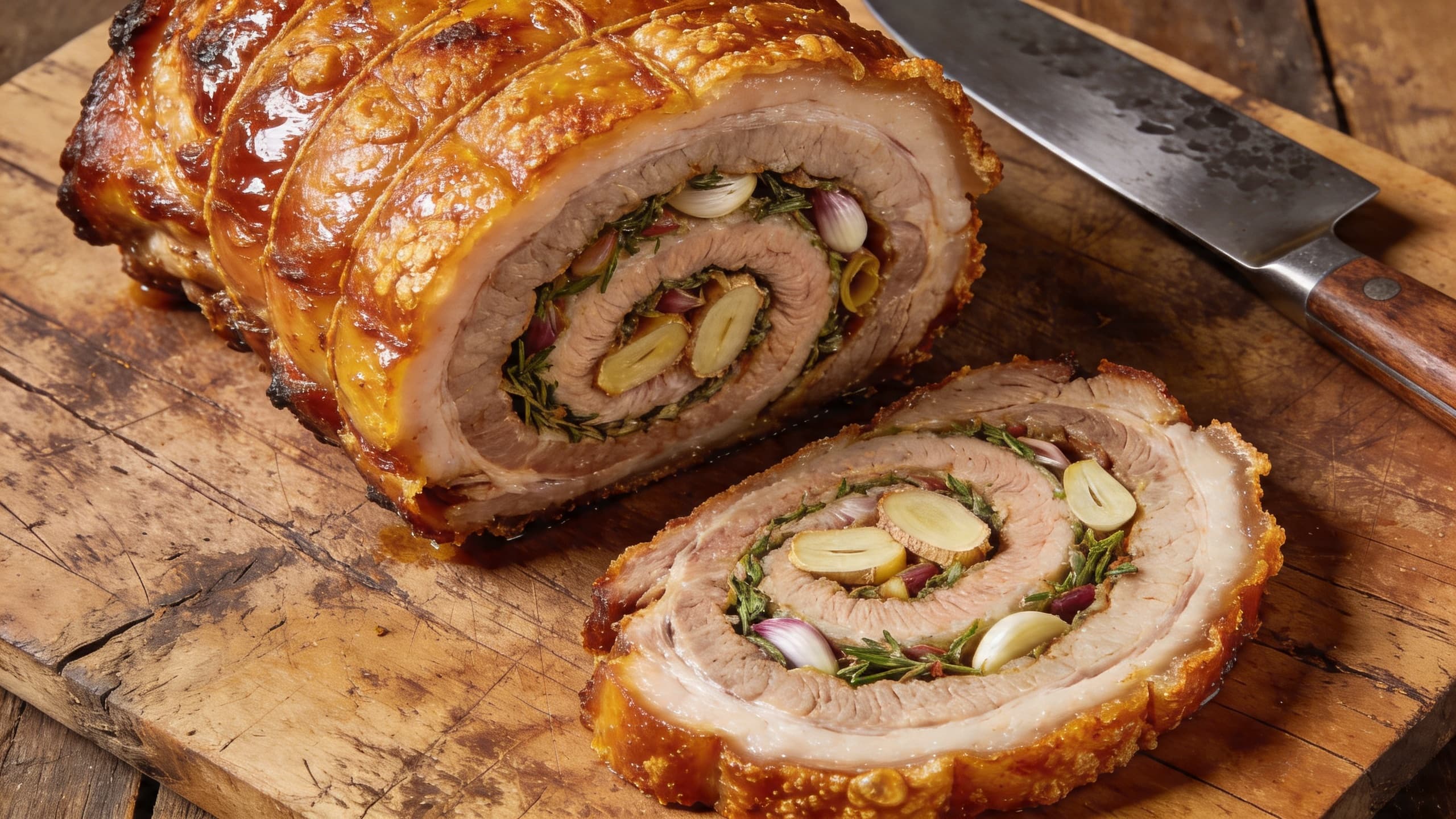
Porchetta is the king of Italian pork roasts—fatty, herbaceous, and encased in crackling skin. My goal was to bridge this with the aromatic profile of a Thai Moo Krob. The pitfall? The sugar content in store-bought "Asian-style" marinades.
Many commercial brands use high-fructose corn syrup to mimic the stickiness of traditional glazes. When applied to a porchetta destined for a wood-fired oven, these sugars burn long before the pork fat has a chance to render, leaving you with a bitter, blackened crust and flabby fat.
Respect the lineage of the fire; if the sugar burns before the fat renders, the soul of the dish is lost.
3. Galangal vs. Ginger: The Wood-Fired Lamb Battle
I often see home cooks substitute ginger for galangal in Italian-fusion lamb dishes. While they look similar, their "terroir" is worlds apart. Ginger is spicy and warming; galangal is medicinal, sharp, and citrusy.
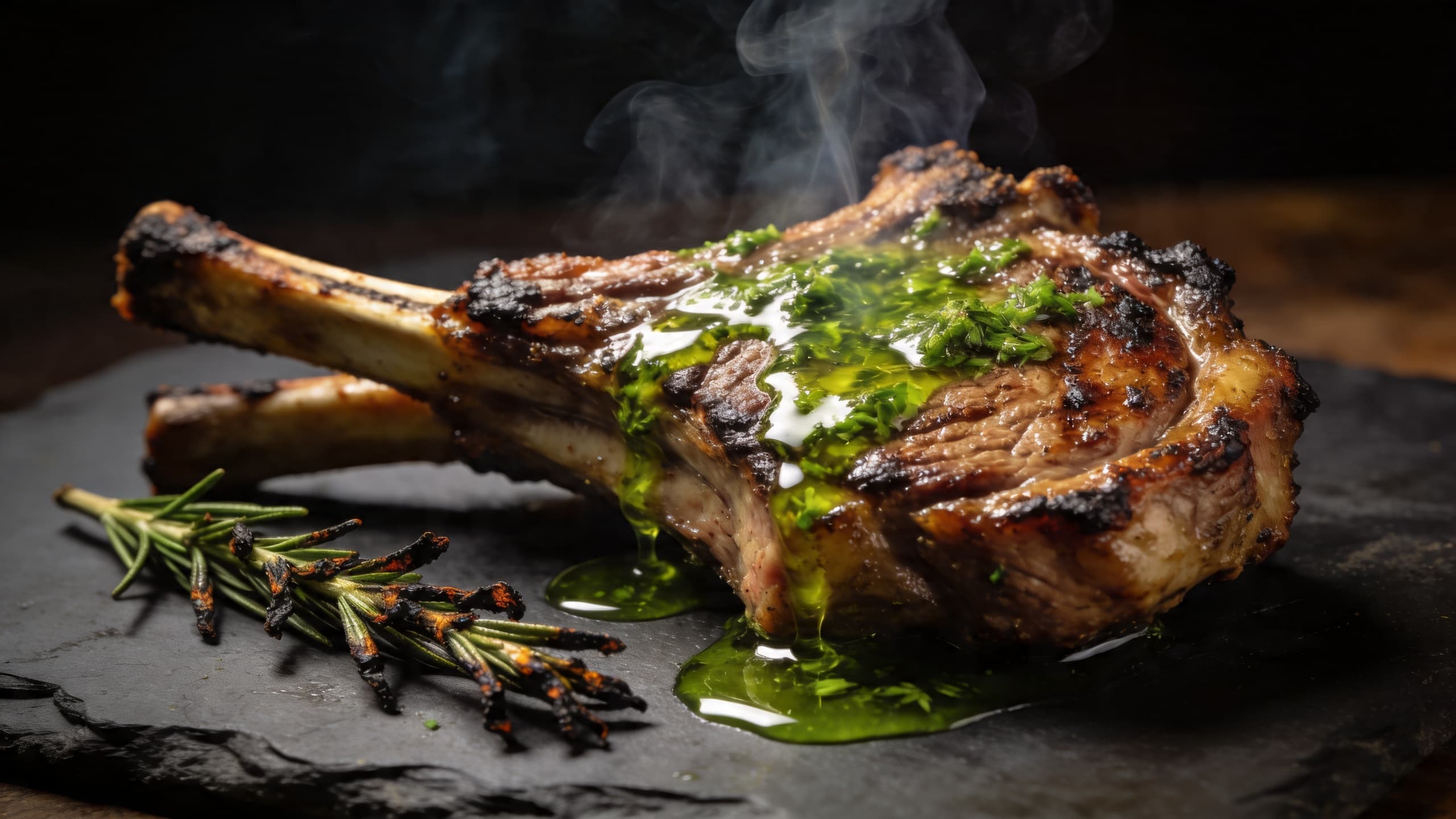
During a recent trial with wood-fired lamb chops, I tested a "premium" grocery store ginger-garlic paste against fresh-grated galangal mixed with rosemary. The paste felt heavy and generic, masking the lamb's natural gaminess. The fresh galangal, however, acted like a lightning rod, cutting through the fat and elevating the rosemary’s woodiness.
Pro Tip: When using galangal with lamb, always pair it with a high-acid element like lemon zest or a splash of Vermentino to bridge the gap between the earthy meat and the sharp spice.
4. The Salt Paradox in Canned Anchovies
Anchovies are the hidden engine of Italian flavor. In fusion trials, I used them to add umami to a Southeast Asian-inspired lamb rub. I compared "budget" canned anchovies against salt-packed Sicilian ones.
The budget anchovies were far too salty and disintegrated into a metallic mush. When mixed with soy sauce or fish sauce (a common fusion move), the dish became an inedible salt bomb. The salt-packed anchovies, once rinsed, provided a "vibrant" depth that felt like a bridge rather than a barrier.
5. Texture Sabotage in the Rub
The final clash I encountered was the texture of the rub. Many "fusion" spice blends found in stores are ground into a fine dust. On a long-roasted porchetta or a quick-seared lamb chop, this dust creates a "muddy" coating that prevents a proper crust from forming.
Key Takeaway: For wood-fired fusion, texture is king. Use a mortar and pestle to keep your aromatics coarse. This allows the heat to toast the spices individually rather than burning a uniform powder.
The Fixes: A Summary for the Fearless
If you are looking to bring these worlds together in your own kitchen, remember that the ingredients are the ink, and your plate is the page.
- Acid First: Always balance the wood-smoke and spice with fresh citrus or high-quality vinegar.
- Fresh Over Jarred: If the ingredient is the star (like galangal or parsley), never buy the "convenience" version.
- Umbami Over Salt: Use anchovies or fish sauce for depth, but adjust your added salt at the very end.
Taste the history in every bite, and never be afraid to let your kitchen become a laboratory of flavor.
#fusioncooking #lambrecipes #porchetta #chefxi #culinarytips