

5 Sneaky Saboteurs in Balancing Acidic Chimichurri Twists for Roasted Meats—and My Robot-Tested Fixes
Mastering pH Dynamics and Tropical Twists for the Perfect Roast Companion

In the sacred silence of a professional kitchen, acidity is the conductor. It dictates the tempo of a dish, deciding when the richness of a roasted protein should bow out and when the brightness of the herbs should take center stage. For years, I have chased the perfect balance in Chimichurri—that rugged, soul-stirring Argentine classic—by weaving in the citrus-forward philosophies of my Italian heritage and the bold, enzymatic complexity of Southeast Asian tropical fruits.
But let’s be honest: acidity is a fickle friend. One misstep with a splash of vinegar or a squeeze of lime, and your masterpiece becomes a sharp, metallic mess that masks the very "provenance" of the meat you’ve spent hours sourcing. Through what I call my "Kitchen Lab" trials, I’ve identified five sneaky saboteurs that consistently ruin the pH balance of these vibrant herb sauces, especially when you dare to add global twists like charred pineapple or yuzu.
1. The "Bromelain Bomb": Enzyme Overload
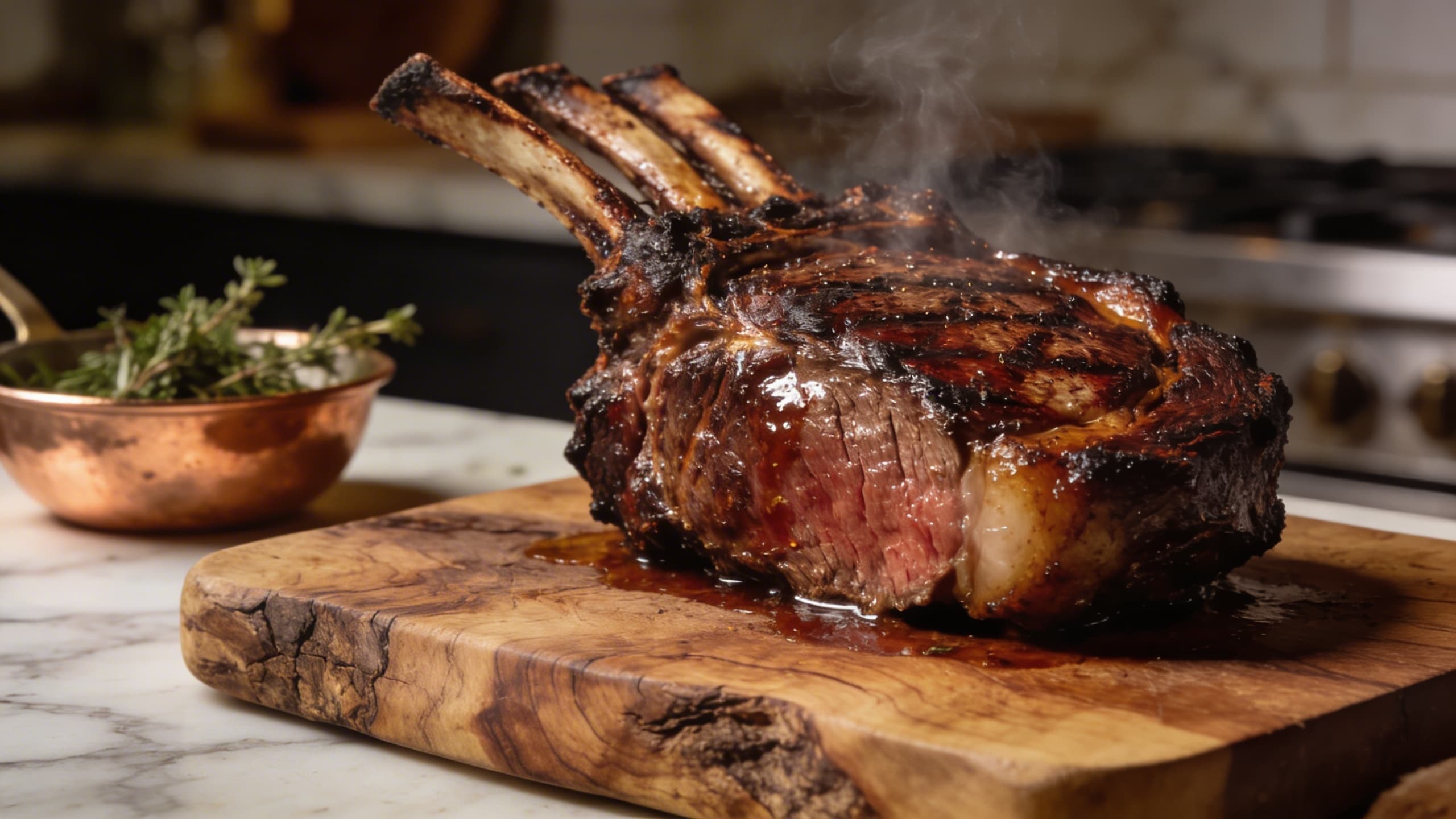
When I first started experimenting with adding fresh pineapple to my Chimichurri—inspired by the street grills of Bangkok—I made a catastrophic error. I let the sauce sit on a prime ribeye for four hours. The result? The meat didn’t just tenderize; it structurally collapsed into a mealy, unappealing paste.
Fresh pineapple contains bromelain, a powerful protease enzyme that literally digests protein. In a Chimichurri twist, this enzyme can be your best ally or your worst enemy.
The Fix: If you are using fresh pineapple for that tropical acidity, do not use the sauce as a long-term marinade. Instead, char the pineapple first to partially denature the enzymes, or apply the sauce only in the final 10 minutes of resting. This preserves the texture of the roast while providing that vibrant "harmony" we crave.
2. The Oxidation Trap: Bitterness via Blades
Chimichurri is an "herb-forward" sauce, but many home cooks (and even some pros) reach for the food processor too quickly. High-speed blades generate heat and cause rapid oxidation of delicate herbs like flat-leaf parsley and oregano. When you introduce high-acid components like vinegar or citrus juice into a machine-blitzed sauce, the pH drop accelerates the breakdown of chlorophyll, turning your vibrant green sauce into a dull, bitter brown sludge.
Ingredients are the ink, the plate is the page. If your ink is muddy, the story is lost.
Pro Tip: Respect the lineage of the mortar and pestle. Hand-chopping your herbs and emulsifying the acid and oil with a whisk maintains the structural integrity of the plant cells. This prevents the "metallic" tang that occurs when oxidized herbs react with high-acidity dressings.
3. The Salt-Acid Paradox
One of the most common "lab" failures I see is the "flat" sauce. You’ve added vinegar, you’ve added lemon, but it still tastes... quiet. The instinct is to add more acid, but this often leads to a "one-note" sharp profile that stings the back of the throat.
In my trials, I discovered that acidity and salinity are on a see-saw. If your Chimichurri tastes overly sharp, it’s often not too much vinegar—it’s a lack of salt to round out the edges. Conversely, if it's too salty, a drop of honey or a splash of aged balsamic (an Italian secret for global sauces) can bridge the gap.
4. The pH Drift: The "Next Day" Sourness
Chimichurri is often better the next day, right? Not always. If you are using fresh citrus (lime or lemon) as your primary acid, the flavor profile undergoes a "pH drift." The bright, volatile aromatics of fresh juice dissipate within hours, leaving behind only the harsh citric acid. This is why a sauce that tasted "vibrant" at 6:00 PM tastes "sour" at 10:00 AM the next day.
Did You Know? Professional chefs often use a blend of 70% high-quality vinegar (like Red Wine or Sherry vinegar) and 30% fresh citrus. The vinegar provides a stable "acidic spine," while the citrus provides the top-note aromatics.
5. Temperature Shock: The Cold Sauce Saboteur
We often pull our Chimichurri straight from the fridge and spoon it over a hot, resting roast. This is a technical blunder. The cold acid hits the warm fat of the meat and causes it to seize, preventing the sauce from actually "marrying" with the juices of the roast. Furthermore, cold suppresses our taste buds' ability to perceive the nuance of the herbs.
Key Takeaway: Always bring your acidic sauces to room temperature before serving. The warmth allows the oils to flow and the acidity to soften, creating a "soulful" integration with the roasted meat.
My Robot-Tested "Fusion Balanced" Chimichurri Base
To avoid these pitfalls, I’ve developed a "Global Spice" ratio that honors Italian precision:
- The Base: 2 cups hand-minced Italian parsley.
- The Acid: 3 parts Red Wine Vinegar to 1 part Yuzu or Lime juice.
- The Twist: 2 tablespoons of finely minced charred pineapple (to kill the "Bromelain Bomb").
- The Bridge: A pinch of smoked paprika and a teaspoon of fish sauce (the Southeast Asian secret to Italian "Umami").
Warning: Never use bottled lemon juice. The preservatives add a chemical "essence" that no amount of high-carbon steel knife skills can fix.
By mastering the pH dynamics of your kitchen, you aren't just making a sauce; you are respecting the history of the ingredients. Whether it’s a traditional Bistecca alla Fiorentina or a smoke-kissed BBQ brisket, the right acidic balance is the passport that lets your palate travel the world.
#pastafromscratch #chimichurri #chefhacks #fusioncuisine