

5 Sneaky Pitfalls of Braising with Dendê Oil (and How to Fix Them)
Bridging Brazilian fire and Italian tradition through the lens of nutritional science.

The Crimson Alchemy: Balancing Heritage and Health in Fusion Braising
In the quiet, steam-filled sanctuary of my kitchen, I often find myself standing at the crossroads of two worlds. To one side is the Osso Buco of my youth—veal shanks braised with white wine and aromatics until the marrow becomes a buttery whisper of Milanese history. To the other side is the vibrant, untamed soul of Bahia, Brazil: Dendê oil.
Dendê, or crude red palm oil, is not just an ingredient; it is a sensory explosion. It carries the weight of the Atlantic, the earthiness of West Africa, and a nutritional profile that would make a modern biohacker weep with joy. But marrying these two—the refined Italian braise and the bold, high-saturated-fat Brazilian oil—is a delicate dance. If you misstep, you end up with a greasy, cloying mess that masks the very "terroir" we seek to honor.
I learned this the hard way during my early "Malagueta experiments." I thought that by simply swapping olive oil for Dendê, I could infuse the meat with that signature orange glow and nutty depth. Instead, I created a dish so heavy it felt like lead on the palate. Here is how I mastered the balance, and how you can too.
1. The Saturation Trap: Managing Fatty Acid Density
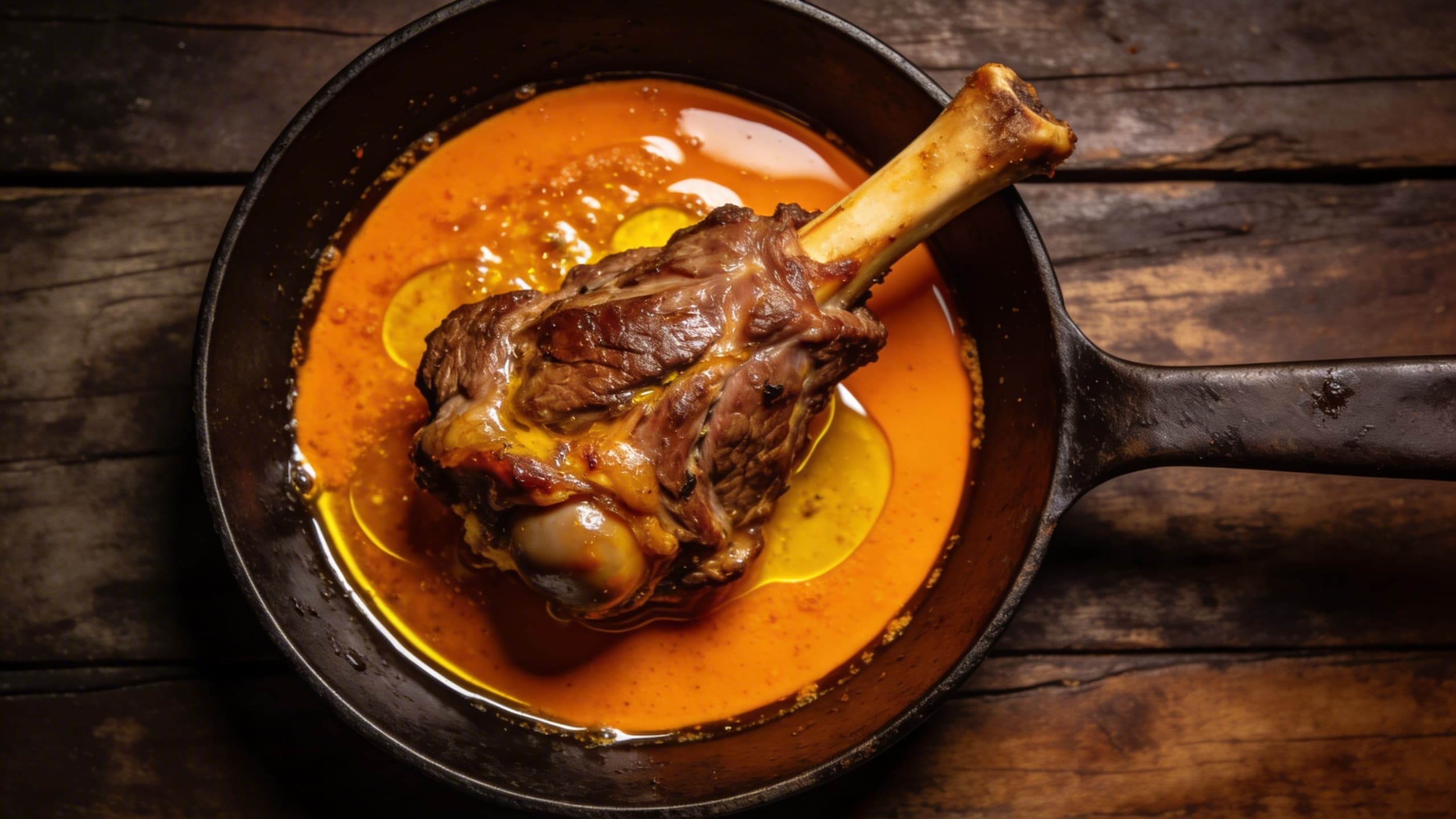
Dendê oil is roughly 50% saturated fat, primarily palmitic acid. While this gives it incredible stability at high heat (perfect for searing!), it can become overwhelming in a long, slow braise where the meat is already releasing its own fats and gelatin.
Tip: When using Dendê for an Osso Buco fusion, reduce your usual amount of butter or olive oil by 75%. Let the Dendê be the primary fat, but use it sparingly—only enough to coat the bottom of the pot for the initial aromatic sauté.
2. Vitamin Preservation vs. Prolonged Heat
One of the greatest nutritional "secrets" of Dendê is its astronomical levels of beta-carotene (more than 15 times that of carrots!) and Vitamin E (tocotrienols). However, these delicate antioxidants can degrade under the relentless 3-hour simmer required for tough cuts like shanks.
Pro Tip: To keep the nutritional "soul" alive, use a "staged infusion." Use a small amount of Dendê to sear the meat and aromatics, but whisk in a final tablespoon of fresh, raw Dendê oil just 10 minutes before serving. This preserves the bright floral notes and the bioactive compounds.
3. The Acidity Deficit
In a traditional Niçoise or Italian braise, we rely on dry white wine or tomatoes to cut through the richness. When Dendê enters the equation, its earthy, almost fermented flavor profile requires a sharper, more aggressive acid to maintain harmony.
Flavor harmony is not about silencing the loudest ingredient; it is about giving it a partner that can dance at the same tempo.
4. Overpowering the Marrow
The "hole with a bone" (Osso Buco) is all about the marrow. Dendê oil is incredibly dominant. If you aren't careful, the subtle, creamy essence of the marrow will be lost to the oil's smoky, nutty character.
Key Takeaway: Balance the Dendê with high-vibrancy aromatics like ginger or lemongrass. These "bridge" ingredients help the heavy oil play nice with the delicate animal fats of the veal.
5. The Emulsification Failure
Because Dendê is so dense, it has a tendency to separate and form an orange slick on top of your braising liquid. This is the ultimate "sneaky pitfall" that ruins the silky texture of a soulful sauce.
Warning: Never add cold stock to a Dendê-based soffritto. The temperature shock causes the saturated fats in the oil to seize, leading to a grainy texture. Always use warm or simmering liquid to deglaze your pan.
Mastering the Soulful Result
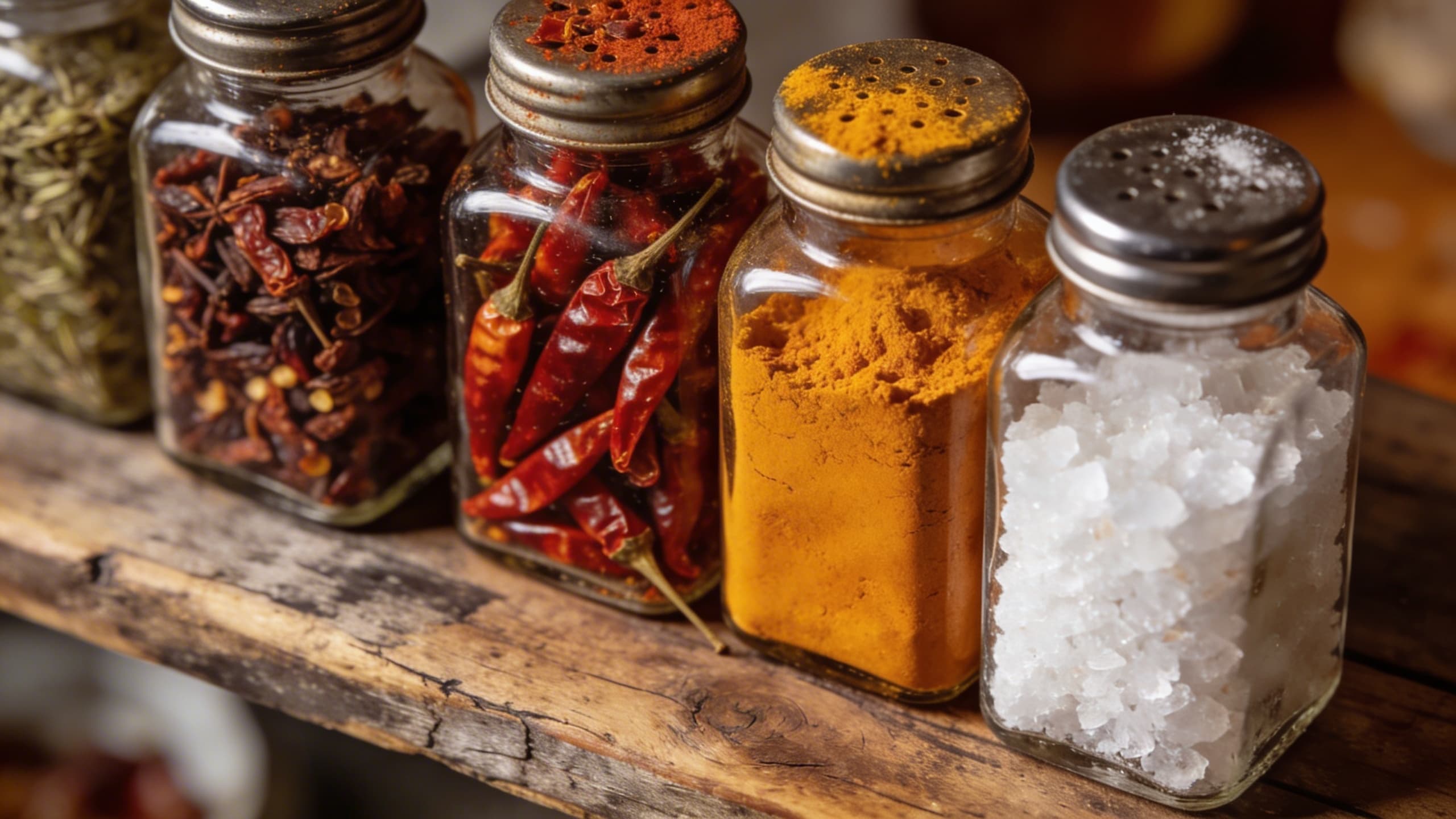
When I finally nailed my Dendê-Infused Osso Buco, it wasn't because I followed a recipe—it was because I respected the lineage of the ingredients. I used the Dendê to bloom my spices (turmeric, cumin, and a hint of crushed malagueta), then let the slow, low heat of the oven do the work. The result was a sauce that was vibrant, silky, and nutritionally dense, without ever feeling "cheap" or "generic."
Did You Know? The red color of Dendê oil comes from the same lycopene found in tomatoes, but in a much more concentrated, bioavailable form due to the fat content.
Taste the history. Respect the science. And never be afraid to let your kitchen become a bridge between continents.
#fusioncooking #dendeoil #ossobuco #nutritiontips #chefxi