

5 Sneaky Mistakes Sabotaging Your Ancient Roman Farro Risotto Fusions (And My Battle-Tested Fixes)
How to honor the Roman Legion's favorite grain while embracing global spice.

The Echo of the Roman Hearth Meets the Modern Soul
Cooking with farro isn't just about preparing a grain; it's about holding a conversation with history. This ancient heirloom grain, the farro dicoccum that fueled the Roman Legions, has a resilience and a nutty "pop" that modern rice simply cannot replicate. But when we decide to take this stalwart of the Italian countryside and marry it with the vibrant, citrusy punch of yuzu kosho or the aromatic dance of Thai basil, we aren't just cooking—we're tightrope walking.
I remember a specific evening in my kitchen, the air thick with the scent of toasted grains and fermented chilies. I was trying to bridge the gap between a traditional farotto (farro cooked risotto-style) and the bold flavors of Southeast Asia. What I ended up with was a bowl of "ancient glue" that lacked the soul of either culture. It was a humbling moment that forced me to rethink how we treat heirloom grains in a fusion context.
1. The "Quick-Soak" Deception
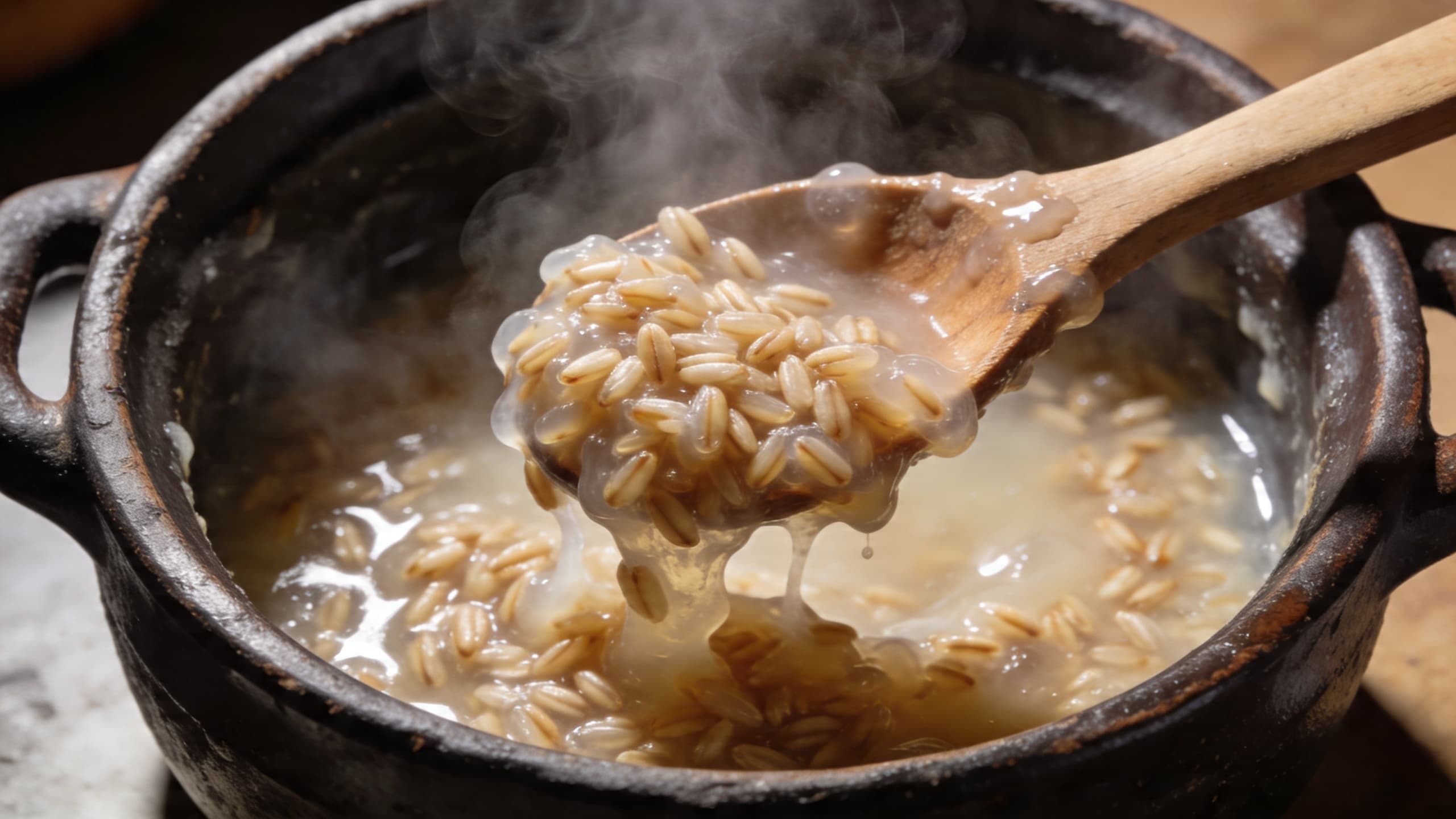
The first mistake I made—and I see it often—is treating pearled farro like Arborio rice. While pearled farro cooks faster, it loses the bran that holds the grain’s integrity. If you want a true fusion masterpiece, you must use semi-perlato or whole farro.
Tip: Whole farro needs an overnight soak. It sounds tedious, but it’s the difference between a mushy mess and a grain that "snaps" back against the heat of a spicy yuzu broth.
2. The Acid Timing Trap
In my quest to bring yuzu kosho into the fold, I used to stir it in during the "tostatura" (the initial toasting of the grain). Big mistake. The high heat of the pan scorched the delicate fermented citrus, turning a bright, floral note into something bitter and metallic.
Pro Tip: Treat high-personality fusion aromatics like yuzu kosho or fresh Thai basil like a finishing salt. Fold them in during the mantecatura—the final vigorous stirring with fat—to preserve their "vibrant" essence.
3. Ignoring the "Provenance" of the Broth
A classic Italian risotto relies on a neutral, high-quality stock. In fusion, we often get greedy. I once tried using a full-strength Tom Yum base to cook the farro from start to finish. The result? The grain absorbed so much lemongrass and galangal that the "nutty" terroir of the farro was completely silenced.
Great cooking is about harmony, not a hostile takeover of the palate.
4. The Fat Imbalance
Risotto is an emulsion of starch and fat (usually butter and Parmigiano). When you introduce fusion elements like coconut milk or sesame oil, the chemistry changes. I’ve seen many "broken" farottos where the oil separates from the grain because the cook didn't account for the different melting points of plant-based fats versus dairy.
Did You Know? If you’re using coconut milk for creaminess, skip the butter but keep a splash of cold, high-quality olive oil at the end. The olive oil acts as a bridge between the tropical fat and the earthy grain.
5. The "Starch Ghost"
Because farro has a lower starch content than short-grain rice, it doesn't naturally create that "all'onda" (wavy) creaminess. Many cooks overcompensate by adding heavy cream, which masks the fusion flavors.
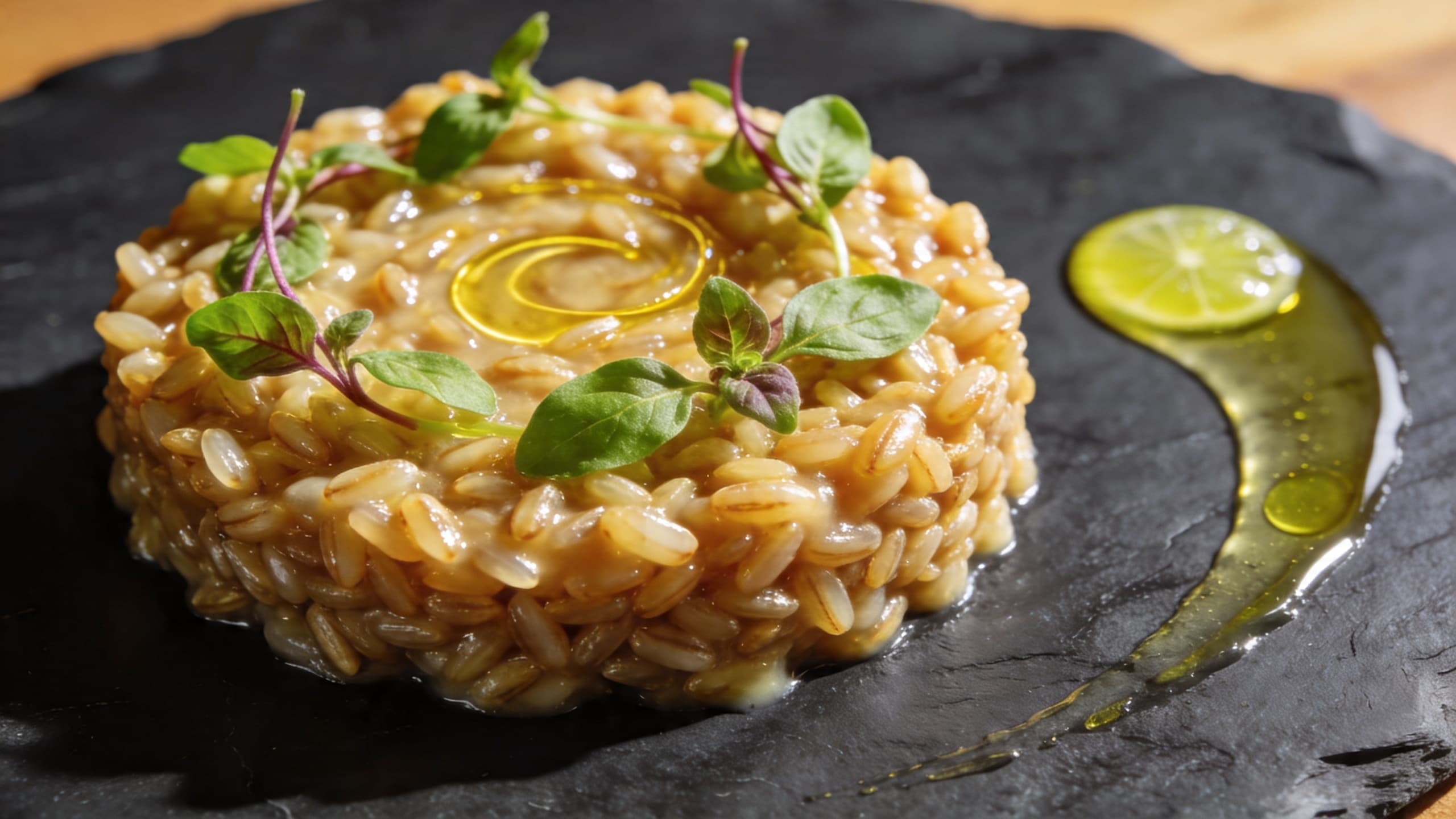
The Battle-Tested Fix: Take half a cup of your nearly-finished farro, blend it with a tablespoon of your broth and a touch of miso or yuzu kosho, and stir it back into the pot. You get the creaminess without the "clogging" effect of dairy.
Key Takeaways for Your Next Fusion Adventure
- Respect the Grain: Use semi-perlato farro for the best texture-to-prep-time ratio.
- Layer Your Flavors: Base broth should be mild; save the "vibrant" fusion punch for the finish.
- Emulsify with Intent: Use the grain’s own starch to create creaminess rather than relying on heavy fats.
Key Takeaway: Fusion isn't about hiding the ingredient; it's about giving an ancient grain a new language to speak. Taste the history, but don't be afraid to write the next chapter.
#farroo #fusioncooking #ancientgrains #italianfusion #chefxi