

5 Sneaky Mistakes Home Cooks Make with Galangal in Italian-Inspired Brodi—and How I Fixed Them
Unlocking the Nutritional Power and Flavor Harmony of the "Ginger of the East" in Mediterranean Cooking

The Piney Soul of the East in a Tuscan Pot
Galangal is not just "ginger's tougher cousin." While ginger is warm and grounding, galangal is ethereal, sharp, and citrusy, carrying a medicinal bracing quality that has been cherished along the Silk Road for millennia. In the world of nutrition, it is a powerhouse of polyphenols—antioxidants that help fight oxidative stress and lower inflammation. But when I first tried to introduce this ancient rhizome into a traditional Italian brodo (broth), the results were... let’s just say, "challenging."
My goal was to bridge the gap between the earthy, wood-fired soul of BBQ and the delicate clarity of a Mediterranean stock. I wanted a broth that had the nutritional density of a tonic but the heart of a Sunday dinner. What I discovered were five sneaky pitfalls that can turn a vibrant fusion experiment into a soapy, bitter mess.
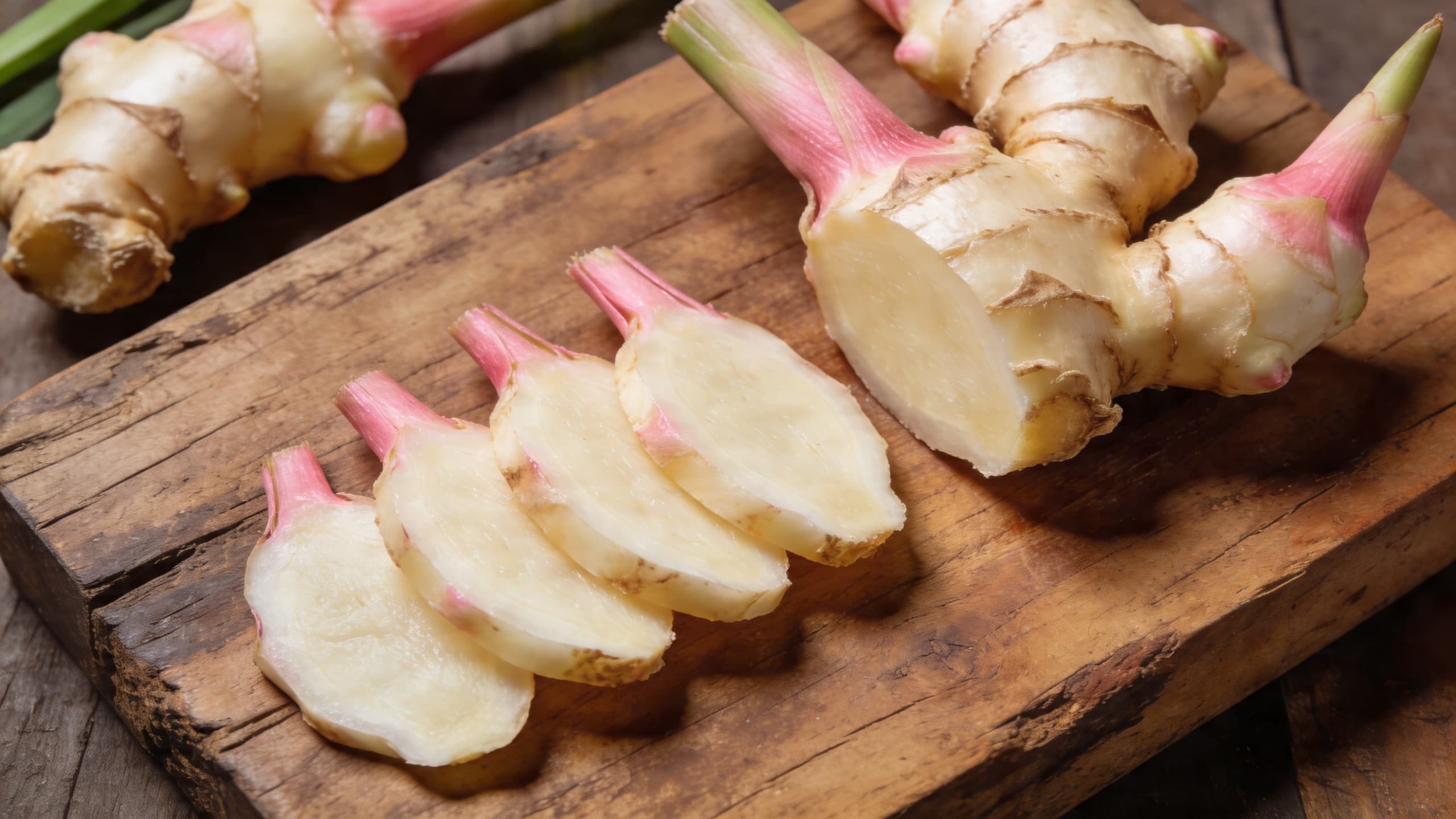
1. The Peeling Paradox: Losing the Essence
Many home cooks treat galangal like ginger, aggressively scraping away the skin. However, the skin of a young galangal rhizome contains concentrated aromatic oils that provide that signature "piney" scent.
Tip: If the galangal is young and thin-skinned, don't peel it! Just scrub it with a firm brush. You'll preserve the essential oils that give the brodo its vibrant, citrusy lift.
In my early trials, I peeled it completely and found the broth lacked that "high note" I was looking for. Now, I keep the skin on for any rhizome that isn't excessively woody.
2. The "Ginger Substitution" Trap
This is the most common mistake. Ginger is spicy and pungent; galangal is floral and sharp. If you swap them 1:1 in an Italian-inspired broth, the ginger will overwhelm the delicate notes of bay leaf and parsley.
Galangal is the ink of the forest; ginger is the fire of the earth. To swap them is to change the very language of the dish.
When I combined galangal with smoky charred onion (a nod to my BBQ roots), the galangal acted as a bridge, cutting through the heavy smoke with its acidity. Ginger would have just made it taste like a spicy barbecue sauce, which wasn't the goal for a refined brodo.
3. Ignoring the "Woody" Extraction Time
Unlike ginger, which softens and releases flavor quickly, galangal is incredibly dense. If you only simmer it for 20 minutes, you aren't getting the nutritional benefits or the flavor. You’re just wasting a precious ingredient.
Pro Tip: For a deep, medicinal-grade extraction, galangal needs at least 90 minutes of simmering. I found that "bruising" the slices with the back of my knife—much like you would with lemongrass—opens up the cellular structure for a better infusion.
4. The Overpowering Bitter Note
Because galangal has such a strong personality, it can easily turn bitter if paired with the wrong aromatics. I once tried to pair it with heavy amounts of rosemary and sage. The result? It tasted like a forest fire in a medicine cabinet.
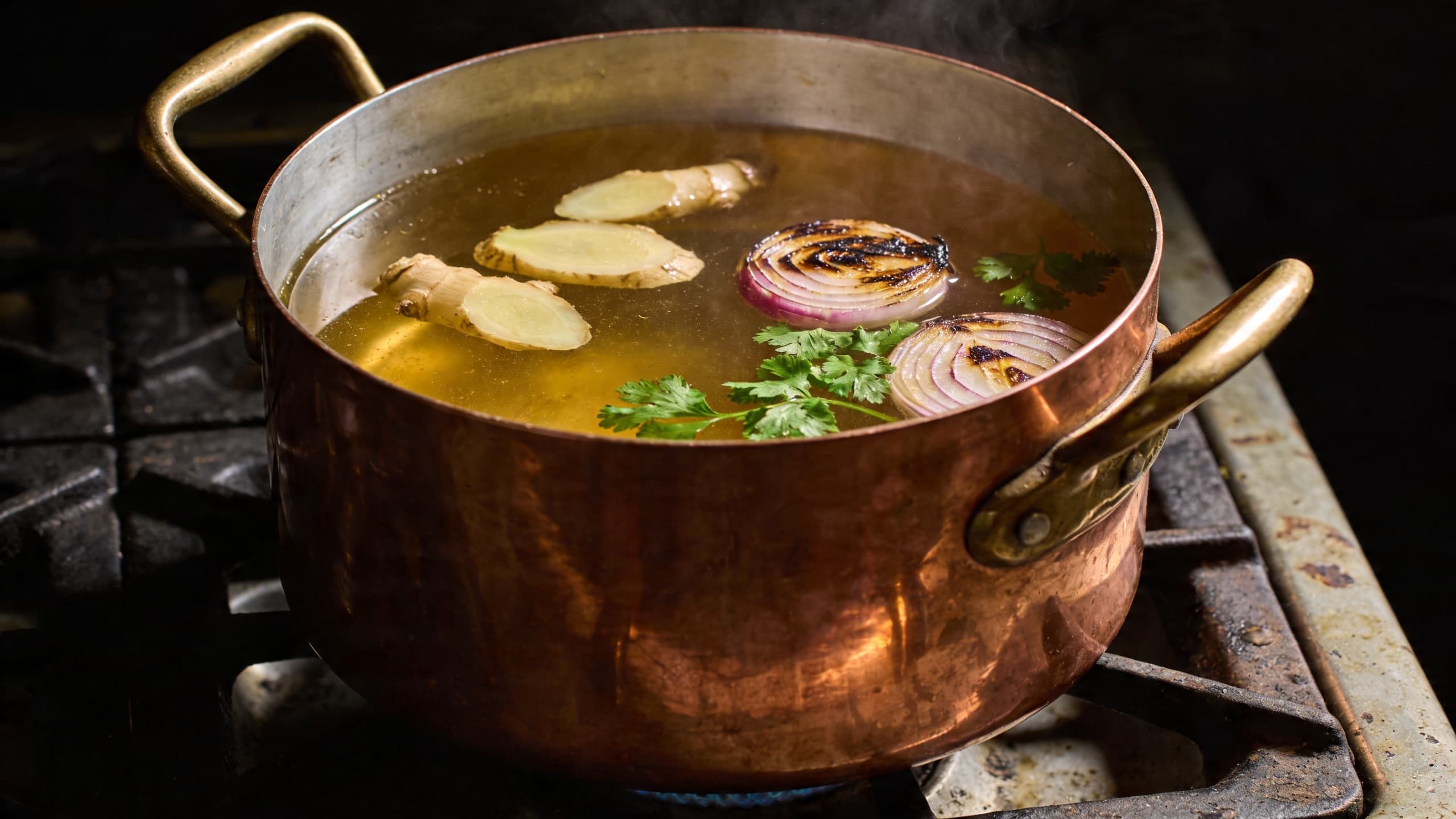
How I fixed it: I balanced the galangal's sharpness with the sweetness of roasted carrots and the umami of a Parmesan rind. The rind’s saltiness and the carrots' natural sugars provide the "harmony" needed to tame galangal’s wilder side.
5. Temperature Tantrums: Boiling vs. Simmering
High heat is the enemy of galangal's delicate polyphenols. If you let your brodo reach a rolling boil, you lose the bright, citrusy top notes and end up with a dull, muddy flavor.
Key Takeaway: Keep your broth at a "lazy bubble." This gentle heat preserves the nutritional integrity of the rhizome and ensures the flavor remains clean and vibrant.
A New Legacy for the Italian Table
By respecting the ancient roots of galangal while daring to pair it with the smoky, charred elements of my BBQ background, I’ve created a broth that feels both familiar and revolutionary. It’s a liquid legacy—a testament to the fact that ingredients are indeed the ink, and our plates are the pages where history is rewritten.
Did You Know? Galangal was used in Medieval Europe more frequently than it is today. Reintroducing it to Italian-inspired cooking isn't just "fusion"—it's a homecoming.
Next time you’re building a base for a soup or a risotto, reach for the galangal. Just remember: bruise it, don't over-peel it, and let it simmer slow. Your palate—and your health—will thank you.
#fusioncooking #galangal #healthyeating #chefxi #brodo