

5 Pitfalls to Dodge When Smoking Italian Meats with Global Oils and How I Fixed Them
Fusing Italian Tradition with Brazilian Soul without Breaking the Bank

The Soul of the Shank: Where Milan Meets Bahia
In my digital kitchen, I often talk about the provenance of a dish—the story of where it began. Osso Buco, that majestic Milanese braise of veal shanks, is a testament to the beauty of "cheap" cuts transformed by time. But in my quest to respect the lineage while daring to innovate, I’ve found that the addition of Dendê oil (red palm oil) and the kiss of hickory smoke can elevate this budget-friendly cut into something otherworldly.
However, fusion isn't just about throwing ingredients together; it’s about understanding the science of the sear and the soul of the smoke. My early attempts at "Smoky Dendê Osso Buco" were, frankly, a series of delicious disasters. I’ve burned oils that shouldn't be burned and overpowered delicate marrow with too much soot. Today, I'm sharing the 5 pitfalls that nearly ruined my fusion journey and the fixes that will save your dinner—and your wallet.
1. The Low Smoke Point Trap
Dendê oil is vibrant, earthy, and packed with beta-carotene, but it has a lower smoke point than the refined oils many pitmasters use for "slathering" meat. If you sear your shanks in pure Dendê over a screaming hot flame, you’ll end up with a bitter, acrid crust that masks the sweetness of the meat.
Tip: Use a 50/50 blend of Dendê oil and a high-heat neutral oil (like avocado or grapeseed) for the initial sear. You get the floral "essence" of the palm oil without the burnt aftertaste.
2. Neglecting the "Budget" in Osso Buco
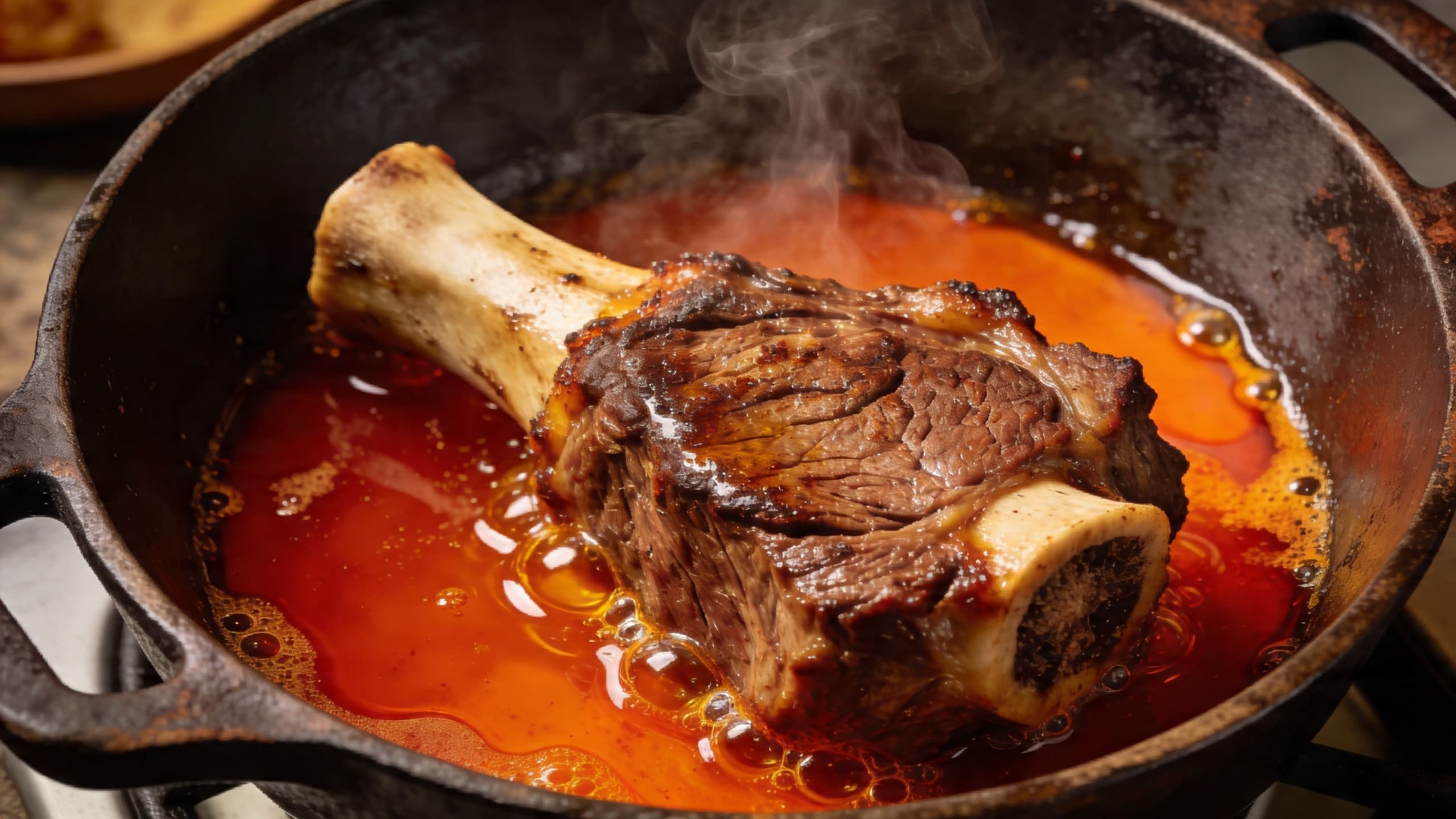
Traditionally, Osso Buco uses veal shanks, which have become a luxury item. To keep this a "money-saving" masterpiece, I pivoted to beef shanks. They are tougher, yes, but they contain even more collagen and marrow.
Great cooking is about technique, not complexity. A $5 beef shank, treated with respect, will outperform a $30 veal chop every time.
3. The "Over-Smoking" Mismatch
Because Dendê oil has a very strong, nutty flavor, it can compete with heavy wood smoke. My first batch used Mesquite, and it tasted like a campfire in a palm grove—not in a good way. The heavy smoke completely obliterated the delicate saffron and citrus notes I wanted to preserve from the Italian roots.
Pro Tip: Stick to fruitwoods like Apple or Cherry, or a light Hickory. Smoke the shanks for only 60-90 minutes at 250°F (121°C) to get that "kiss" of the grill before transitioning to the braise.
4. The Saffron-Dendê Color War
Both saffron (traditional in Osso Buco alla Milanese) and Dendê oil provide a deep yellow-orange hue. If you use too much of both, the dish looks neon. More importantly, the earthy depth of the oil can swallow the expensive floral notes of the saffron.
Key Takeaway: When using Dendê oil, reduce your saffron usage by half. The oil provides the visual "legacy" of the dish, allowing you to save your expensive saffron threads for a simple risotto on the side.
5. The "Marrow Meltdown"
In a traditional braise, the marrow stays tucked inside the bone. But when you introduce the dry heat of a smoker, that "butter of the gods" can liquefy and drip into the coals before the meat is even tender.
Warning: Always smoke your shanks bone-side up or nestled tightly in a cast-iron pan. This ensures the melting marrow bastes the meat from the inside out rather than feeding the fire.
The Fix: The Smoke-Braise Hybrid Method
To save money and maximize flavor, I developed the "Bahian-Milanese Hybrid" method.
- The Prep: Dredge beef shanks in flour seasoned with smoked paprika and sea salt.
- The Sear: Flash-sear in the 50/50 Dendê blend just until a crust forms.
- The Smoke: Place the shanks in the smoker for 1 hour. This is where the "vibrant" smoke flavor enters the meat fibers.
- The Braise: Move the shanks to a Dutch oven with aromatics (onions, carrots, celery), white wine, and beef stock. Cover and finish in a low oven or the smoker until the meat is fork-tender.
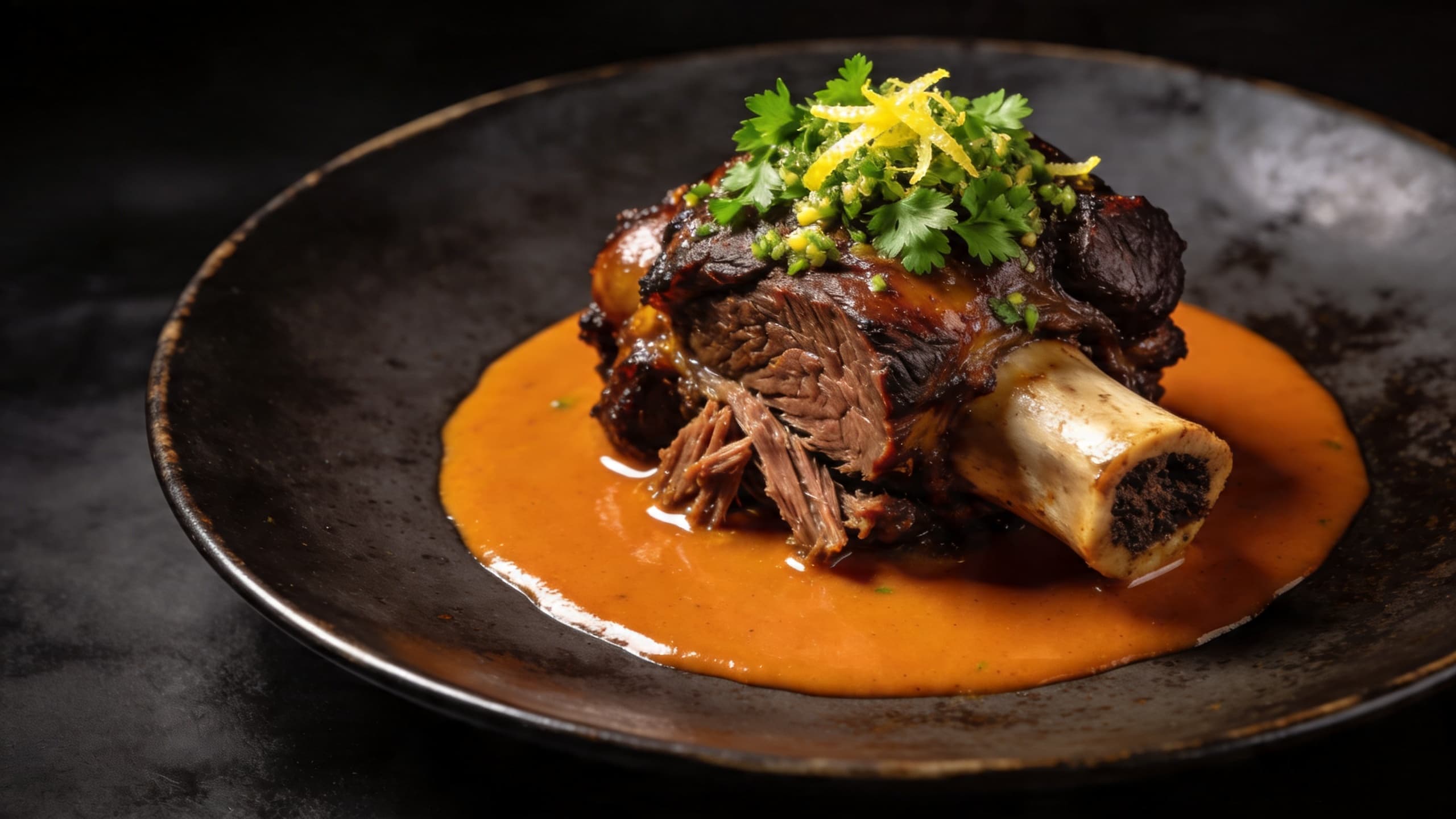
Did You Know? Braising smoked meats is one of the best "meal prep" hacks. The flavors actually deepen over 24-48 hours, making the leftovers even better than the first night's dinner.
By dodging these pitfalls, you aren't just making a meal; you're honoring the migration of flavors across the Silk Road and the Atlantic. You're respecting the lineage of the Italian nonna and the Bahian cook alike.
Taste the history. Respect the ingredients.
#bbqfusion #ossobuco #dendeoil #italiancooking #kitchenhacks