

5 Pitfalls to Dodge When Infusing Dendê Oil into Classic Italian Pastas
Mastering the vibrant marriage of Brazilian Red Palm Oil and Roman Pasta tradition.

The Soul of Two Worlds: When Dendê Meets the Roman Classics
In the pantheon of Italian culinary heritage, few dishes are as sacred—or as minimalist—as Cacio e Pepe. It is a triad of perfection: Pecorino Romano, black pepper, and pasta. To introduce an outsider into this circle is a gesture of culinary daring. But for those of us who view the plate as a page for global stories, the vibrant, earthy, and unapologetically bold Dendê oil (red palm oil) offers a bridge between the rustic hills of Lazio and the soulful kitchens of Bahia.
Dendê is not just an oil; it is an essence. Its deep orange hue and nutty, slightly floral aroma carry the provenance of West African and Brazilian traditions. However, marrying this heavy-hitting ingredient with the delicate emulsion of a classic pasta sauce is a tightrope walk. One wrong move, and you lose the harmony.
1. The Temperature Trap: Respecting the Smoke Point
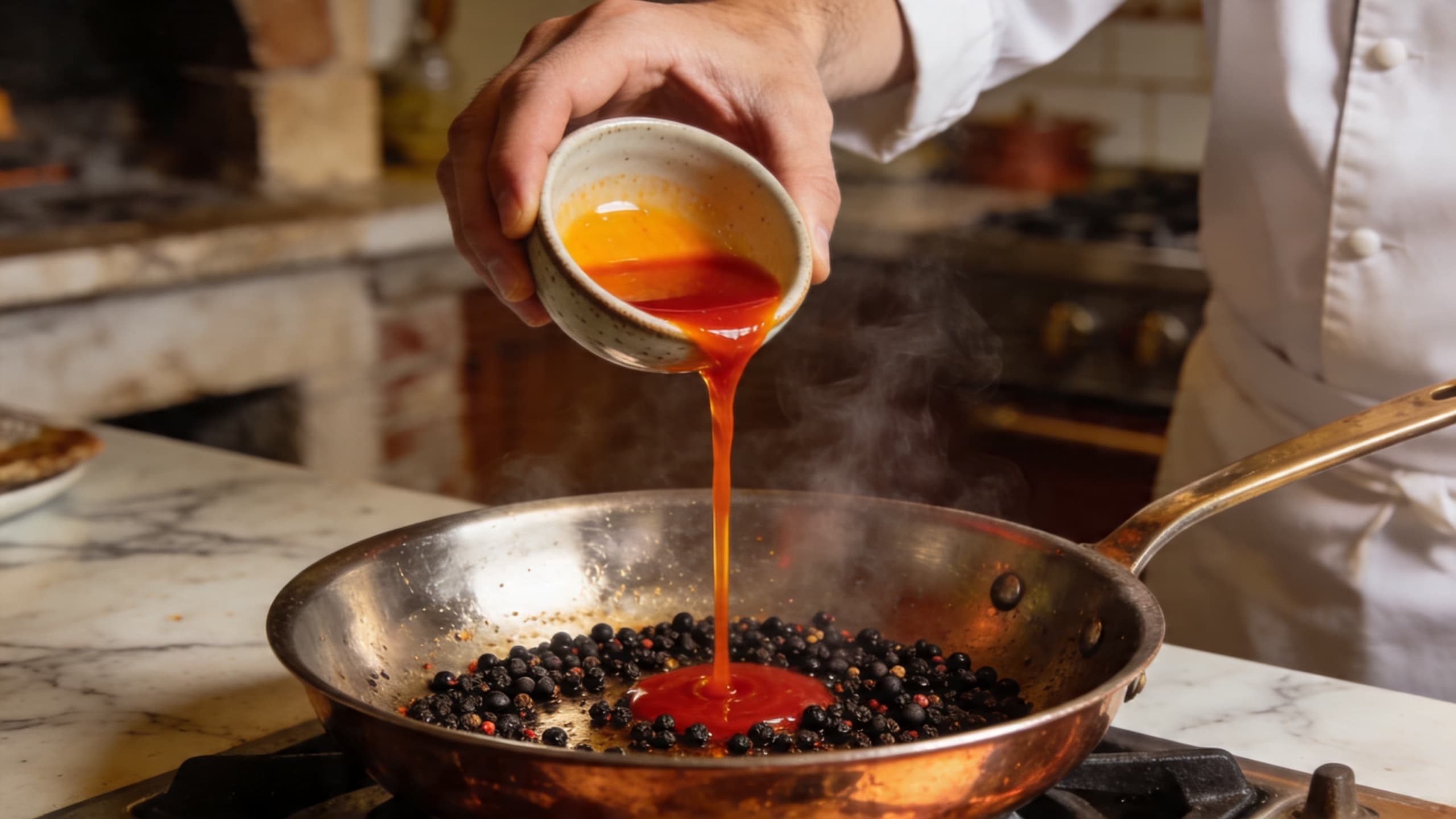
One of the most common pitfalls when working with unrefined red palm oil is treating it like a standard sautéing oil. Dendê has a moderate smoke point (around 450°F / 230°C), but its flavor is far more sensitive than its physical stability.
If you heat Dendê too aggressively during the "Cacio" phase—where we traditionally toast the pepper—the oil’s delicate floral notes can turn acrid.
Tip: Always toast your cracked black pepper in a dry pan first. Once the aroma fills the room, pull the pan off the heat for 30 seconds before whisking in the Dendê oil. This "cool-down" period ensures the oil infuses the pepper without scorching its soul.
2. The Emulsion Enigma: Preventing the "Split"
Cacio e Pepe relies on a starch-driven emulsion. When you introduce the heavy, saturated fats of Dendê oil, you risk breaking that silky bond. I’ve seen many fusion attempts end in a puddle of orange grease at the bottom of the bowl.
The secret lies in the timing of the fat introduction. Do not add the oil to the cheese; add it to the pasta water base.
Pro Tip: Create a "pre-emulsion" by whisking a tablespoon of Dendê oil with a ladle of starchy pasta water before adding the pasta or cheese. This creates a stable vehicle that allows the Pecorino to melt into a vibrant, sunset-colored cream rather than clumping.
3. The Salt Siphon: Balancing the Pecorino
Pecorino Romano is famously salty. Dendê oil has a natural sweetness and an earthy depth that can actually amplify our perception of salt. In my early experiments, I found that the usual amount of cheese made the dish almost inedible when paired with the oil's richness.
Great cooking is about technique, not complexity. It is knowing when to let an ingredient lead and when to let it linger in the background.
4. The Color Overload: Visual Harmony
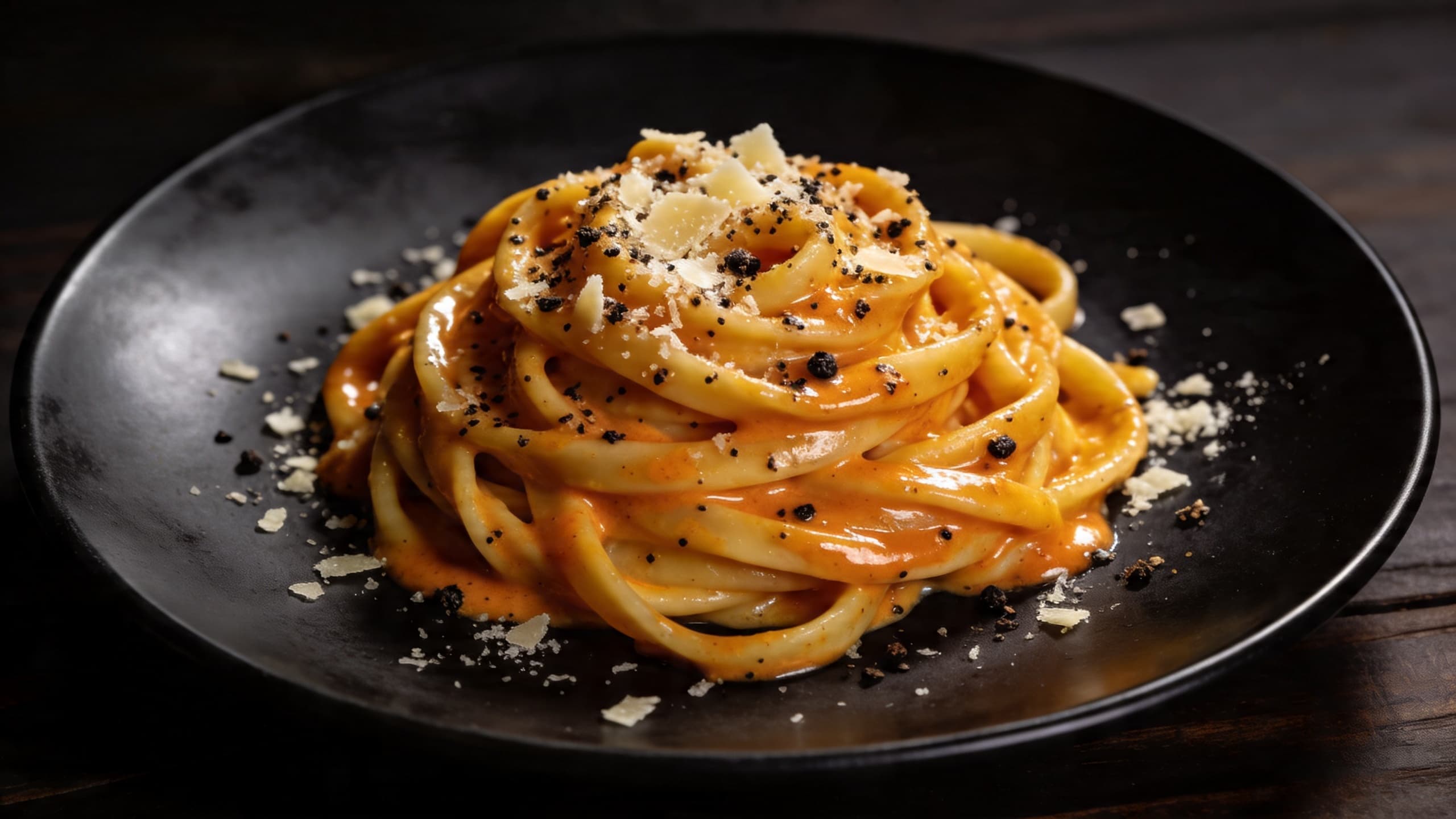
We eat with our eyes first. Dendê is a powerful dye. If you use too much, your Cacio e Pepe will look less like an elegant fusion and more like a neon experiment. The goal is a warm, golden glow—not a fluorescent orange.
- Start Small: Use only 1 teaspoon per serving.
- The Drizzle Method: Use the oil as a finishing touch rather than a primary cooking fat. This preserves the "Vibrant" color and the raw, nutty aroma that defines its terroir.
5. The Texture Conflict: Avoiding Graininess
Dendê oil is semi-solid at room temperature. If your pasta isn't hot enough when you toss it, the oil can create a slightly waxy mouthfeel. Conversely, if it's too hot, the cheese grains will seize.
Key Takeaway: The "sweet spot" for combining these worlds is roughly 150°F (65°C). Use a heavy copper pot to retain steady heat, and never stop moving the pasta. The friction of the toss is what marries the Italian starch to the Brazilian fat.
Why This Fusion Matters
When we dodge these pitfalls, we create something that respects the lineage of both cultures. The bite of the Roman pepper cuts through the density of the palm oil, while the Pecorino provides the savory backbone that anchors the tropical notes.
Did You Know? Dendê oil is incredibly rich in beta-carotene and Vitamin E. Adding it to your pasta isn't just a flavor play; it’s a nutritional boost that adds a "Soulful" depth to a historically "poor" dish (cucina povera).
Next time you reach for the olive oil, look toward the Atlantic. Respect the ancient roots, but don't be afraid to let your pasta travel.
#fusioncooking #cacioepepe #dendeoil #chefxi #culinaryscience