

5 Pitfalls to Avoid When Rolling and Braising Fusion Involtini for Tender, Flavor-Bursting Results
Mastering the Art of the Fusion Braise

The Italian Involtini Reimagined: A Fusion Lifestyle
In the quiet, steam-filled sanctuary of a kitchen, there is a rhythmic grace to rolling involtini. It is a technique I first learned through the lens of tradition—thinly sliced veal, a whisper of prosciutto, and the sharp bite of pecorino. But as my culinary journey took me through the vibrant markets of Southeast Asia, I began to see these meat rolls not just as a vessel for Italian heritage, but as a blank canvas for a global dialogue.
Building a cooking routine that embraces fusion isn't just about mixing ingredients; it's about a lifestyle of curiosity. It’s about asking, "What happens if this Italian soul meets a Thai heart?" When we introduce aromatics like lemongrass or the earthy, citrusy punch of galangal into a traditional braise, we aren't just changing the flavor—we are evolving the lineage of the dish. However, this path is fraught with technical traps that can turn a masterpiece into a soggy disappointment.
1. The "Tension" Trap: Why Your Rolls Unravel
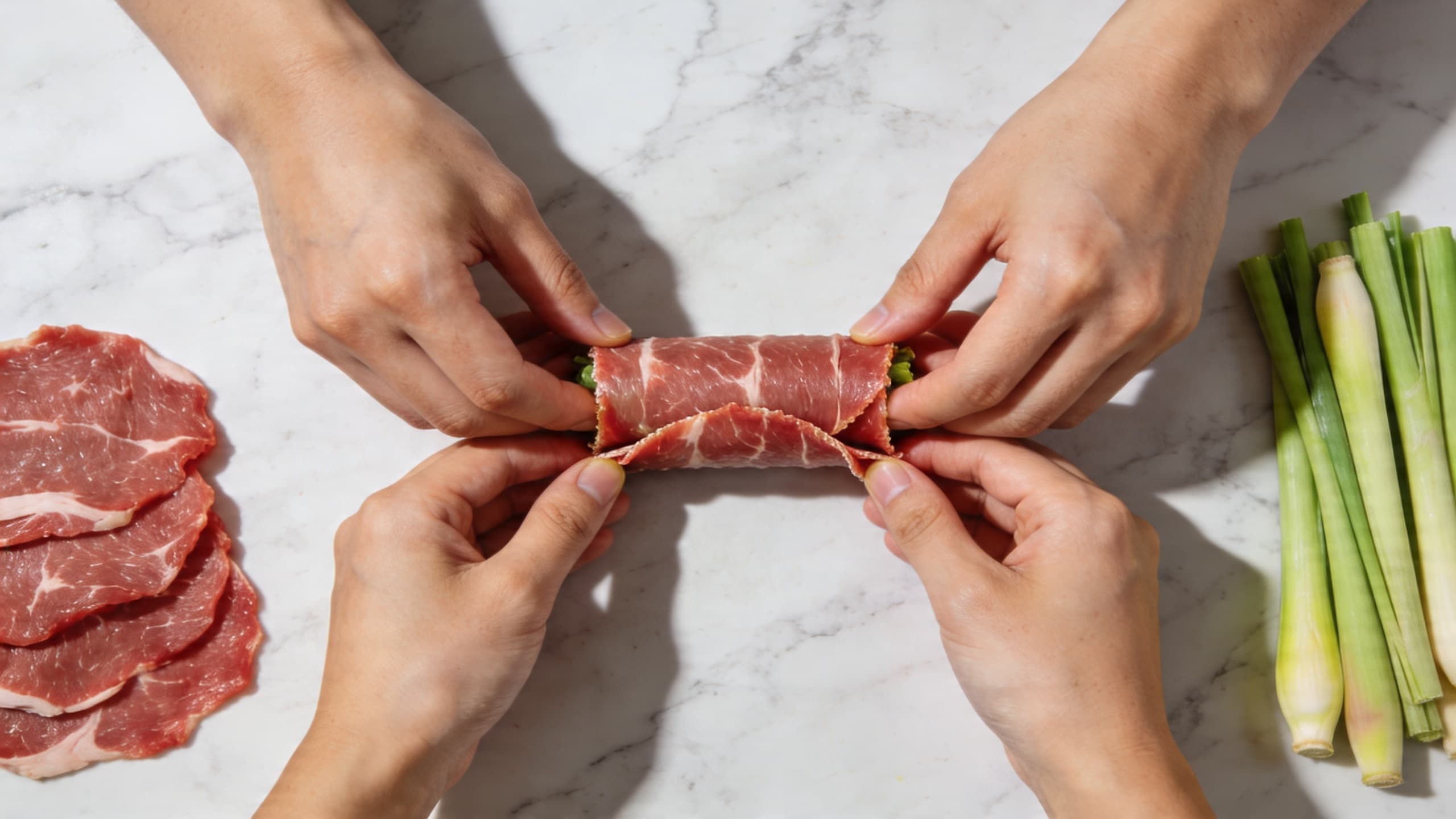
The most common pitfall I see in fusion involtini is a lack of structural integrity. When you're working with delicate veal or even thinly sliced pork, the "roll" is everything. If it's too loose, the broth seeps in and boils the meat from the inside out, leading to a grainy texture rather than a succulent one. If it's too tight, the meat contracts during cooking and squeezes out all the moisture.
Tip: Use the "Tuck and Tension" method. Fold the sides of the meat inward slightly before you begin the final roll. This creates a seal that keeps your smoky fillings—like smoked provolone or speck—locked inside.
2. The Sear vs. Simmer Struggle
In the world of braising, the sear is your flavor foundation. However, many home cooks rush this step. When working with fusion broths that contain high-sugar aromatics (like coconut milk or certain soy-based additions), the fond on the bottom of the pan can burn before the meat is properly caramelized.
The science is simple: the Maillard reaction needs dry heat. If your meat is even slightly damp from a marinade, it will steam instead of sear. I’ve spent many trials learning that a hard, dry sear on the outside of the involtini provides the structural "crust" needed to withstand a long braise in a vibrant galangal brodo.
3. The "Soggy Bottom" Syndrome: Broth Levels Matter
One of the biggest mistakes in fusion braising is drowning the meat. A braise is not a soup. If you submerge your involtini completely in a lemongrass-infused broth, you lose that beautiful crust you worked so hard to create during the sear.
Pro Tip: The liquid should never cover more than halfway up the sides of the meat. This allows the bottom to tenderize in the liquid while the top gently steams, preserving the integrity of the roll.
Great cooking is about technique, not complexity. Respect the sear, and the simmer will reward you.
4. Aromatics Overload: The Galangal Ghost
Galangal and lemongrass are powerful. In my early kitchen trials, I treated them like onions—tossing them in with a heavy hand. The result? A broth so medicinal it masked the delicate sweetness of the veal. Fusion is about harmony, not dominance.
When using these exotic roots, remember that their oils release slowly. In a long braise, a little goes a long way. Slice your galangal into thin coins and bruise your lemongrass with the back of a knife to release the essence without letting it take over the entire "soul" of the dish.
5. The Resting Requirement
We often talk about resting steaks, but resting a braise is just as critical. If you pull your involtini straight from the hot brodo to the plate, the muscle fibers are still tense and the juices will run out immediately.
Key Takeaway: Let your involtini sit in the braising liquid for at least 10 minutes off the heat before serving. This allows the meat to reabsorb some of that flavor-bursting fusion broth, ensuring every bite is tender and succulent.
Embracing the Nomadic Flavor Alchemist Lifestyle
Integrating these techniques into your weekly routine transforms cooking from a chore into an act of creation. It’s about respecting the provenance of the Italian involtini while having the courage to invite new flavors to the table.
Did You Know? Braising actually dissolves collagen into gelatin, which is why the sauce feels so "silky" on your palate. When you add galangal, the natural acidity helps break down those fibers even more efficiently.
Start small. Maybe tonight you stick to the traditional filling but swap your wine deglaze for a splash of coconut water and a stalk of lemongrass. Taste the history, but don't be afraid to write your own chapter.
#fusioncooking #involtini #chefxi #culinarytechnique #italianfusion