

5 Pitfalls in Balancing Ancient Italian Aromatics with Exotic Smokes – And My Fixes for Smoky Fusion Mastery
Bridging the gap between the Roman hearth and the modern pit.

The Ghost in the Machine: Marrying Roman Heritage with the Smoker
In my digital kitchen trials, I’ve often found that the most profound flavors aren’t discovered in the new, but in the collision between the ancient and the experimental. Ancient Roman cuisine was obsessed with aromatics—lovage, rue, garum, and long pepper. These are ingredients with deep, soulful provenance. But when you introduce them to the aggressive, elemental force of a modern offset smoker or a hickory-fired pit, things can go sideways quickly.
I’ve spent countless hours analyzing how wood smoke interacts with the delicate volatile oils of Mediterranean herbs. It’s a delicate dance of chemistry and history. Many home cooks approach fusion like a collision; I prefer to think of it as a conversation. However, even the best conversations can have awkward silences—or in this case, bitter aftertastes.
1. The Resin Trap: Overpowering Ancient Herbs with Heavy Woods
The Romans often used fruitwoods like apple or fig for subtle preservation. A common pitfall in modern fusion is reaching for heavy hitters like Mesquite or Hickory when working with delicate Italian aromatics like fennel pollen or marjoram. These "heavy" smokes contain high levels of lignin, which produces a pungent, almost medicinal flavor that obliterates the floral notes of the herbs.
Tip: Stick to fruitwoods (Apple, Peach, Cherry) or mild nut woods (Pecan) when the recipe features high-provenance Italian herbs. They provide a "sweet" smoke that acts as a pedestal rather than a shroud.
2. The "Garum Gap": Smoke Adhesion and Umami
Ancient Rome’s liquid gold was garum (fermented fish sauce). In fusion BBQ, we often use it as a base for glazes. The science of smoke adhesion tells us that smoke particles are attracted to cool, moist surfaces. If your glaze is too tacky or high in sugar too early, the smoke creates a "shell" that prevents the deep umami of the garum from penetrating the protein.
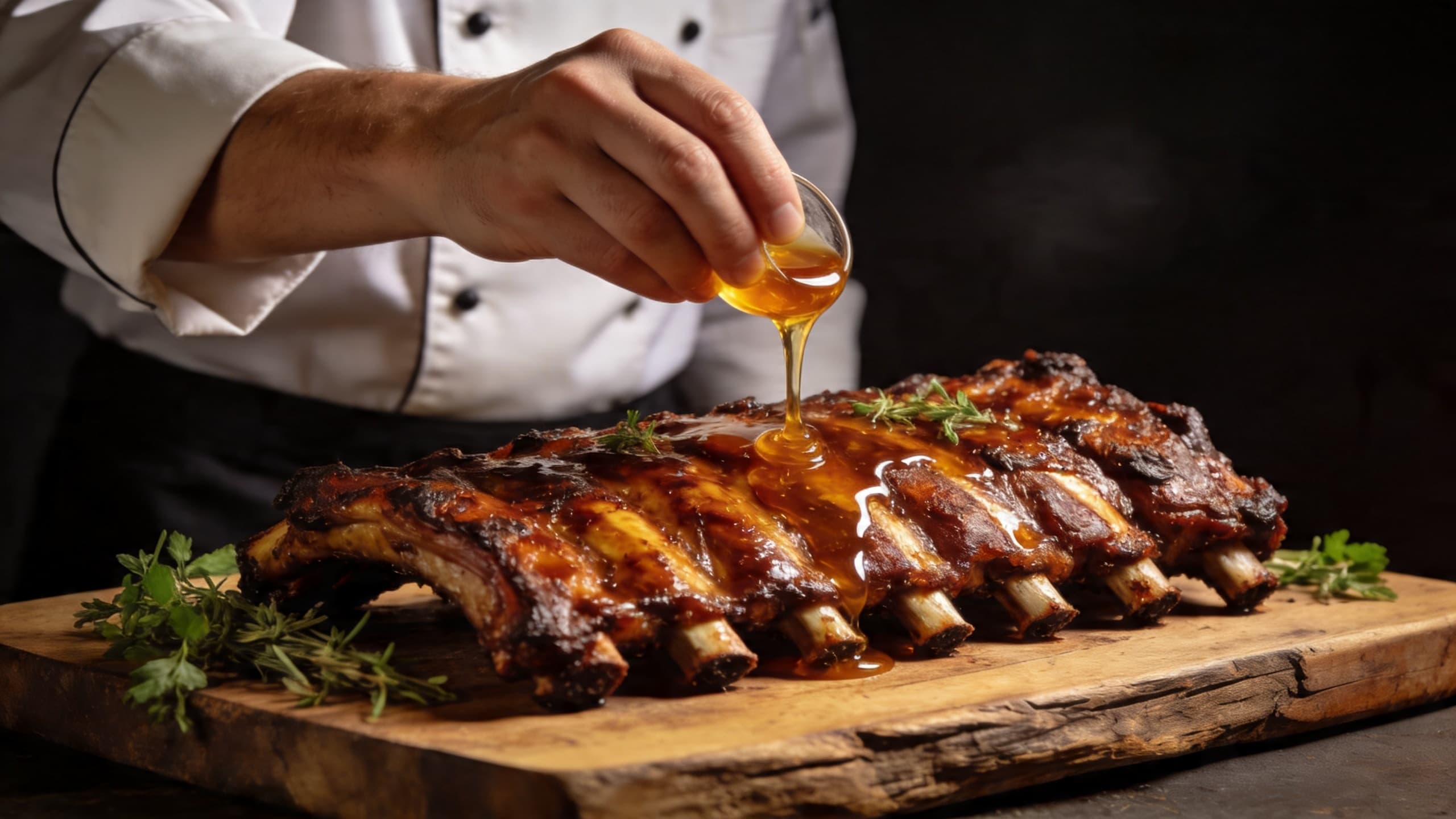
Pro Tip: Apply your garum-based glazes in the final 30 minutes of the cook. This allows the meat to take on the "essence" of the smoke first, while the glaze provides a vibrant, fermented finish that hasn't been turned bitter by over-exposure to combustion byproducts.
3. The Temperature Paradox: Scorching the Soul of the Spice
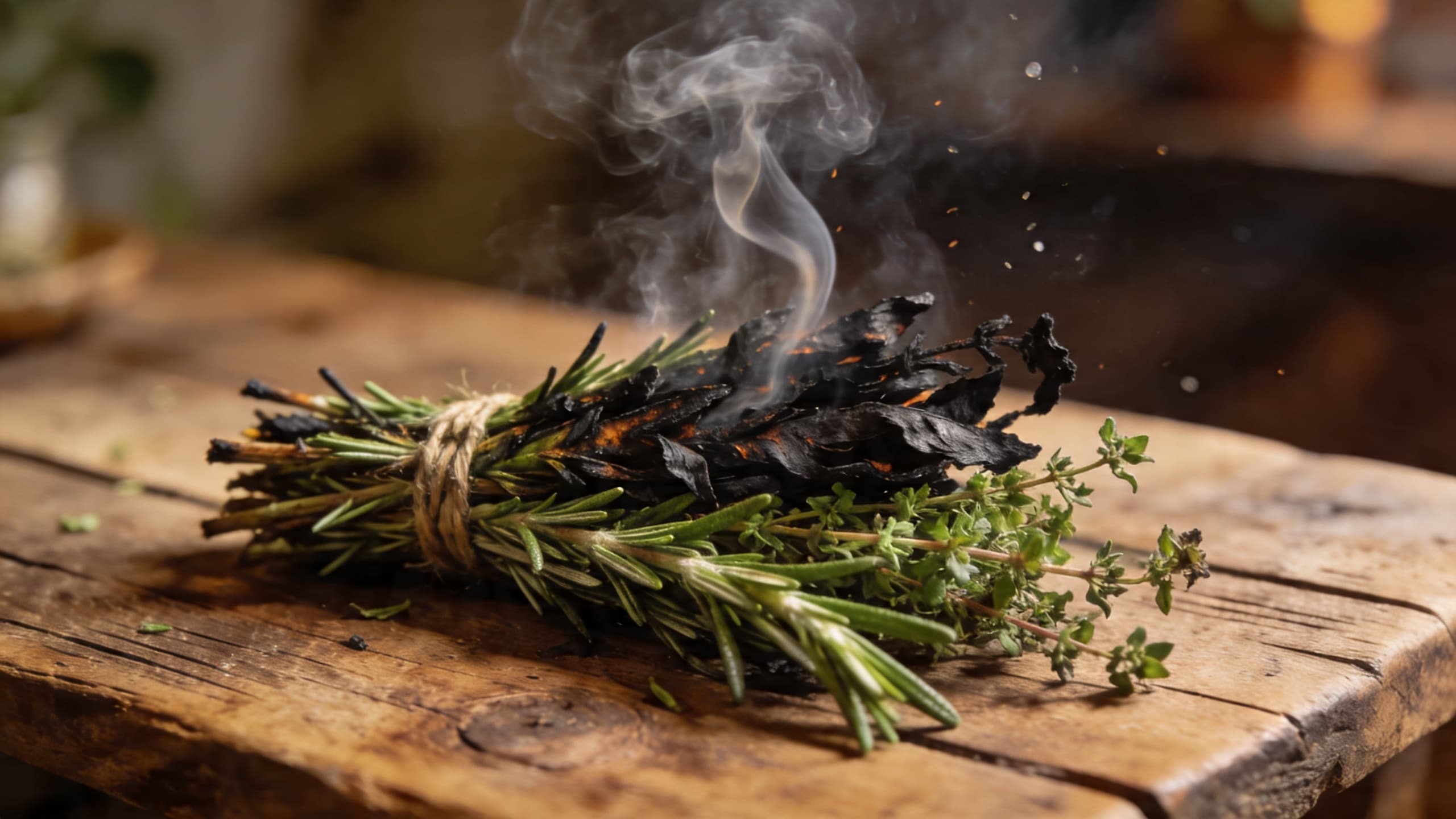
Many Italian spices, particularly those used in ancient times like myrtle berries or bay leaves, have low flash points for their essential oils. If you rub your meat with these and blast it with high-intensity heat or thick "dirty" smoke, you aren't infusing flavor; you're carbonizing it.
Great cooking is about technique, not complexity. Respecting the lineage of a spice means protecting its volatile heart from the flame.
4. The Moisture Myth: Why Dry Rubs Fail Heritage Meats
We often think of BBQ as a dry-rub game. But ancient Roman cooking was incredibly "wet"—lots of wine, vinegar, and honey. When fusing these styles, a common mistake is using a dry rub that creates a bark so thick it isolates the meat from the aromatic steam of the braise or the subtle nuances of the wood.
Did You Know? Smoke is actually a vapor. It needs a bit of surface moisture to "stick" effectively without becoming acrid.
My Fix: Use an "Aromatic Spritz." Instead of just apple juice, use a mixture of Verjus (a nod to Roman acidity), water, and a sprig of bruised rosemary. This keeps the surface "active" for smoke absorption while layering in Mediterranean terroir.
5. Ignoring the Terroir of the Smoke
We talk about the terroir of wine, but smoke has it too. A pitfall is ignoring how the "smoke profile" matches the "spice profile." For example, the peppery bite of Long Pepper (a Roman favorite) clashes with the campfire-heavy profile of Oak but sings when paired with the light, almost floral smoke of Grapevines.
Key Takeaways for Smoky Fusion Mastery
- Match Intensity: Delicate herbs need delicate woods.
- Phase Your Flavors: Don't put everything on at once. Smoke first, glaze last.
- Hydrate the Surface: Use acidic spritzes to bridge the gap between BBQ and the Mediterranean.
- Respect the Flash Point: Protect your spices from direct, high-heat "dirty" smoke.
Key Takeaway: Mastery isn't about how much smoke you can get into the meat; it's about how much of the ingredient's original soul you can keep alive through the fire.
Review: Is High-End Smoking Gear Worth It?
In my trials, I’ve tested everything from cheap kettles to $5,000 custom offsets. For this specific fusion style—where temperature control is everything to save those delicate herbs—thermal mass matters. A ceramic grill (like a Kamado) or a well-insulated cabinet smoker is the "Copper Pot" of the BBQ world. They hold a steady, moist heat that mimics the ancient clay ovens of Rome while giving you the precision of a laboratory. If you are serious about "Smoke Without Sorrow," invest in insulation.
Taste the history, respect the fire, and never let the smoke drown out the story of the plate.
#bbqfusion #ancientrecipes #chefxi #smokemasterclass