

5 Mistakes to Avoid When Pickling Peaches for Smoky Pork Dishes
Mastering the Agrodolce-BBQ Fusion: A Guide to Perfect Fruit Pickling

The Agrodolce Rebellion: Why Your Pickled Fruit is Failing Your BBQ
In the sun-drenched kitchens of my youth, agrodolce—the Italian art of "sour-sweet"—wasn't just a technique; it was a heartbeat. We used it to tame the richness of game and the fattiness of pork. But as I’ve traveled from the hills of Tuscany to the smoke-filled pits of the American South, I’ve realized that the ancient marriage of vinegar and sugar needs a modern provocateur. Enter the habanero-pickled peach.
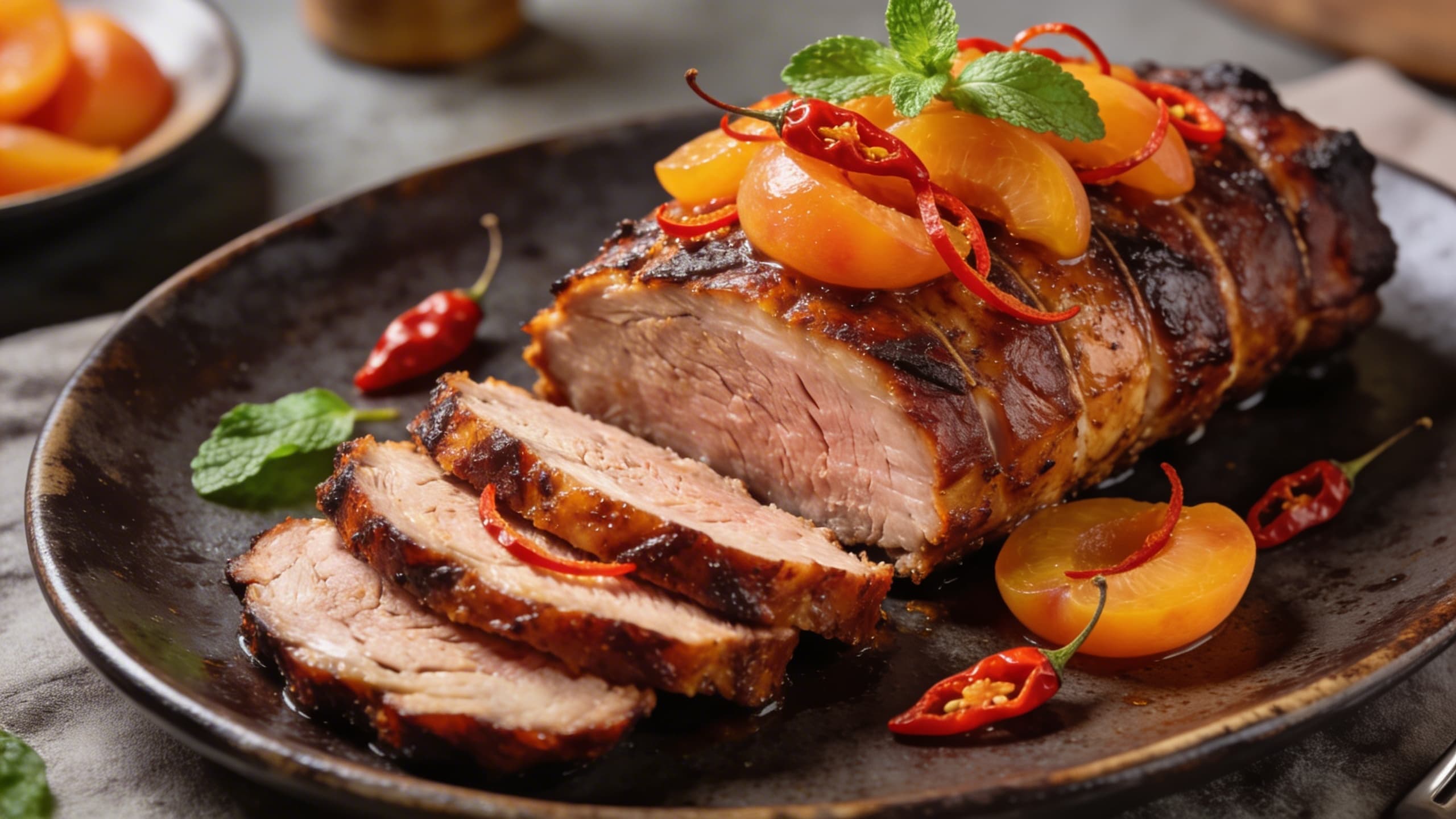
When done right, a quick-pickled peach provides a vibrant, acidic counterpoint to a smoky, salt-crusted pork tenderloin. It’s a clash of worlds—the delicate stone fruit meeting the aggressive, tropical heat of the Caribbean and the slow-burn essence of the smoker. However, I’ve seen many chefs turn a potential masterpiece into a soggy, one-dimensional mess.
The plate is a page, and if your acid doesn't speak as loudly as your smoke, the story is unfinished.
1. The Ripeness Trap: Selecting Your Subject
The most common mistake is using a peach that is "perfect" for eating over the sink. If the juice is running down your arm, the peach is too far gone for the brine. A soft peach has a broken-down cellular structure; once it hits that warm vinegar bath, it turns into jam.
For a bold fusion dish, you need "conditional" ripeness. Look for peaches that are fragrant but still firm to the touch—think the texture of a crisp pear. This ensures the fruit maintains its "snap," providing a textural contrast to the melt-in-your-mouth tenderness of a sous-vide or smoked pork loin.
Tip: Use "clingstone" varieties if you can find them early in the season; their firmer flesh holds up beautifully to the osmotic pressure of pickling.
2. The Boiling Brine Blunder
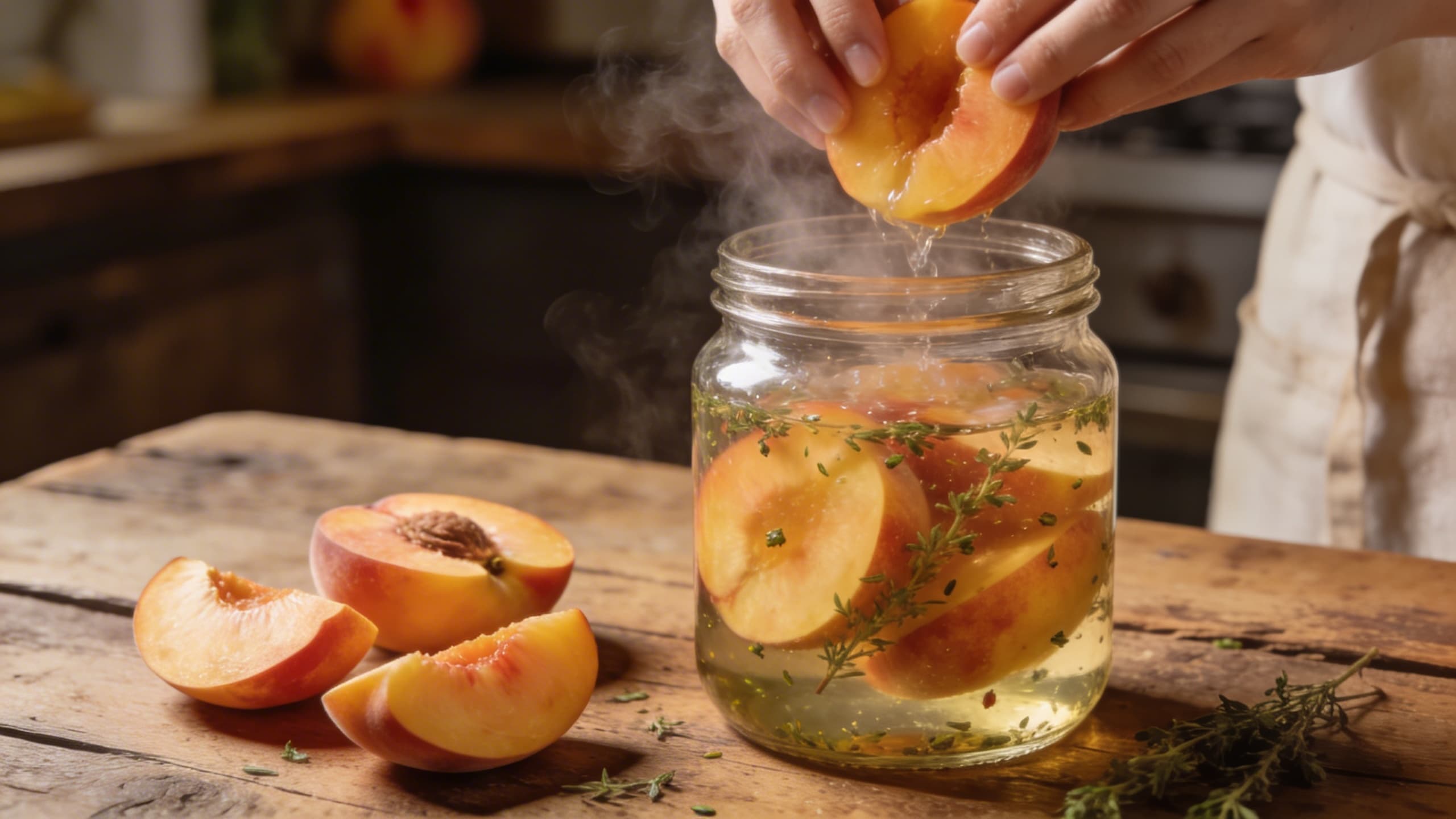
In the world of quick-pickling (or prolungato as some might say when we stretch the tradition), heat is a double-edged sword. Pouring a boiling-hot brine directly over delicate peaches cooks them. You aren't making preserves; you're making a bright, punchy condiment.
The science of the quick-pickle relies on acetic acid penetrating the fruit's skin. To keep the peaches vibrant and crisp:
- Heat your vinegar, water, salt, and sugar just until dissolved.
- Let the brine cool to room temperature before pouring it over the fruit.
- If you're in a rush, use an ice bath to chill the brine rapidly.
3. Underestimating the Habanero’s "Soul"
When I first experimented with adding habanero to my traditional Italian pickling liquid, I made the mistake of just tossing in a chopped pepper. The result? A heat that was jagged and "cheap."
To respect the lineage of the spice, you must understand its terroir. Habaneros carry floral, apricot-like notes that perfectly mirror the essence of a peach. To unlock this:
- De-seed and devein: Unless you want a scorched palate, remove the pith.
- The Infusion: Steep the habanero in the warm brine for 10 minutes, then strain it out before adding the peaches. This gives you a soulful, consistent heat that hums in the background rather than screaming in the foreground.
Pro Tip: For a true fusion twist, add a teaspoon of toasted coriander seeds to the brine. The citrusy notes of the coriander bridge the gap between the Italian vinegar and the Mexican heat.
4. Ignoring the Smoke-Acid Equilibrium
If you are pairing these peaches with a smoky pork tenderloin, your brine needs to account for the "weight" of the smoke. A standard white vinegar brine is too sharp—it cuts through the smoke like a knife, but it doesn't harmonize with it.
Did You Know? Apple cider vinegar contains malic acid, the same acid found in peaches. Using ACV creates a "flavor bridge" that makes the fruit taste more like itself, even while pickled.
I prefer a blend of Apple Cider Vinegar and Champagne Vinegar. The ACV brings the rustic, orchard vibes needed for BBQ, while the Champagne vinegar adds a sophisticated, light finish that nods to my Italian roots.
5. The "Time" Paradox: Over-Marinating
Because we call it "pickling," people assume the peaches need days in the jar. This is a fallacy. For a pork pairing, the "Sweet Spot" is between 2 and 6 hours.
Beyond 6 hours, the acetic acid begins to turn the peach gray and the flavor becomes overly "pickley," masking the natural sweetness of the fruit. You want the essence of the peach to remain the protagonist, with the brine acting as the supporting cast.
Key Takeaway: Respect the Clashes
Fusion isn't about blending things until they are unrecognizable; it's about creating a conversation between ingredients that have never met. By avoiding these five pitfalls, you ensure that your pickled peaches aren't just a side dish—they are the vibrant, soulful bridge between the ancient traditions of Italy and the smoky frontiers of global BBQ.
Warning: Always wear gloves when handling habaneros. The "essence" of the pepper stays on your skin long after the cooking is done!
Taste the history. Respect the lineage. And never be afraid to set the plate on fire—metaphorically, of course. 🍑🔥🐖