

5 Hidden Pitfalls of Infusing Italian Meat Classics with Southeast Asian Brodo
Navigating the delicate balance between Mediterranean patience and Mekong vibrancy.

The Alchemy of Southeast Asian Brodo and Italian Heritage
The first time I attempted to submerge a traditional, herb-packed Involtini into a simmering bath of lemongrass and galangal, I expected a symphony. What I got was a cacophony. The delicate veal, which usually sings alongside white wine and butter, felt like it was being shouted over by the aggressive citrus notes of the Thai aromatics. It was a humbling moment in my kitchen—a reminder that fusion isn't just about throwing two cultures into a pot; it’s about understanding the molecular "handshake" between them.
Italian braising is an art of patience, often relying on the soffritto (onion, carrot, celery) and wine to build a deep, rounded base. In contrast, Southeast Asian broths—specifically those from the Thai tradition—rely on "top notes": the volatile oils of fresh herbs that can easily turn bitter or medicinal if treated with the long, slow heat required for a pork shoulder or a roulade.
1. The Bitterness Trap: Over-Extracting the "Top Notes"
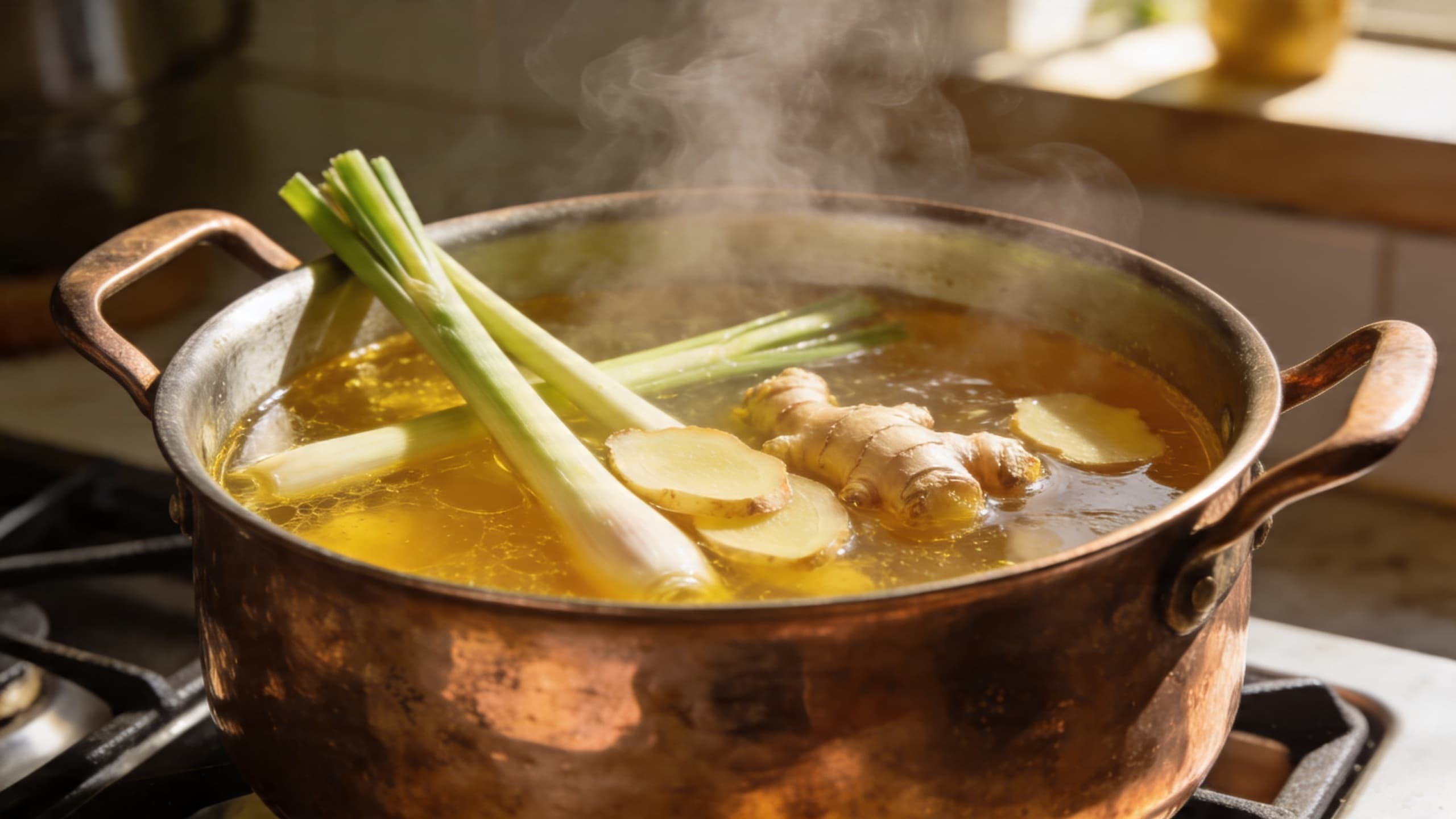
In a traditional Thai Tom Yum, the lemongrass and galangal are simmered briefly to keep their flavors bright and floral. When you apply the 3-hour braising time of an Italian Porchetta, those same ingredients begin to breakdown into woody, bitter compounds.
Tip: Treat your aromatics like a relay race. Don't add all your lemongrass and galangal at the start. Use a small amount for the deep "soul" of the broth, then add fresh, bruised stalks during the final 30 minutes to capture the vibrant "essence."
2. The Acid Clash: Vinegar vs. Lime
Italian braises often use red or white wine vinegar to cut through the fat of the meat. However, when you introduce galangal—which has a sharp, almost piney acidity—the two can create a harsh, metallic aftertaste.
I once ruined a batch of braised pork belly by using both a heavy Chianti and a squeeze of lime. The result tasted less like a masterpiece and more like a chemistry experiment gone wrong.
Pro Tip: Balance the "pine" of galangal with a softer Italian acid like Verjus or a very dry Prosecco. Avoid high-tannin red wines, which fight the herbal clarity of the Southeast Asian brodo.
3. The Texture Crisis: Collagen vs. Fiber
Italian braising techniques are designed to transform tough collagen into silky gelatin. Southeast Asian herbal broths are typically thinner and more "aqueous." If you don't adjust your liquid-to-meat ratio, you'll end up with meat that is tender but lacks that signature Italian "glaze" (glassa).
- Reduce the Broth Separately: Strain your herbal brodo halfway through and reduce it in a wide pan to concentrate the sugars.
- The Cornstarch Mistake: Never use cornstarch to thicken these fusions; it clouds the vibrant flavors. Use a natural reduction or a touch of cold butter (the monter au beurre technique) for a glossy finish that honors both worlds.
4. The Salt Spectrum: Fish Sauce vs. Sea Salt
It is tempting to reach for fish sauce (nam pla) to add umami to your brodo. While fish sauce is the backbone of Southeast Asian cooking, its fermented funk can sometimes mask the delicate sweetness of the pork or veal in an Italian classic.
Did You Know? Ancient Roman garum was remarkably similar to modern fish sauce. If you want to honor the lineage of both cultures, use a high-quality Colatura di Alici from Cetara. It provides the umami of fish sauce but with a refined Mediterranean profile that bridges the gap perfectly.
5. The Fat Barrier: Managing the Render
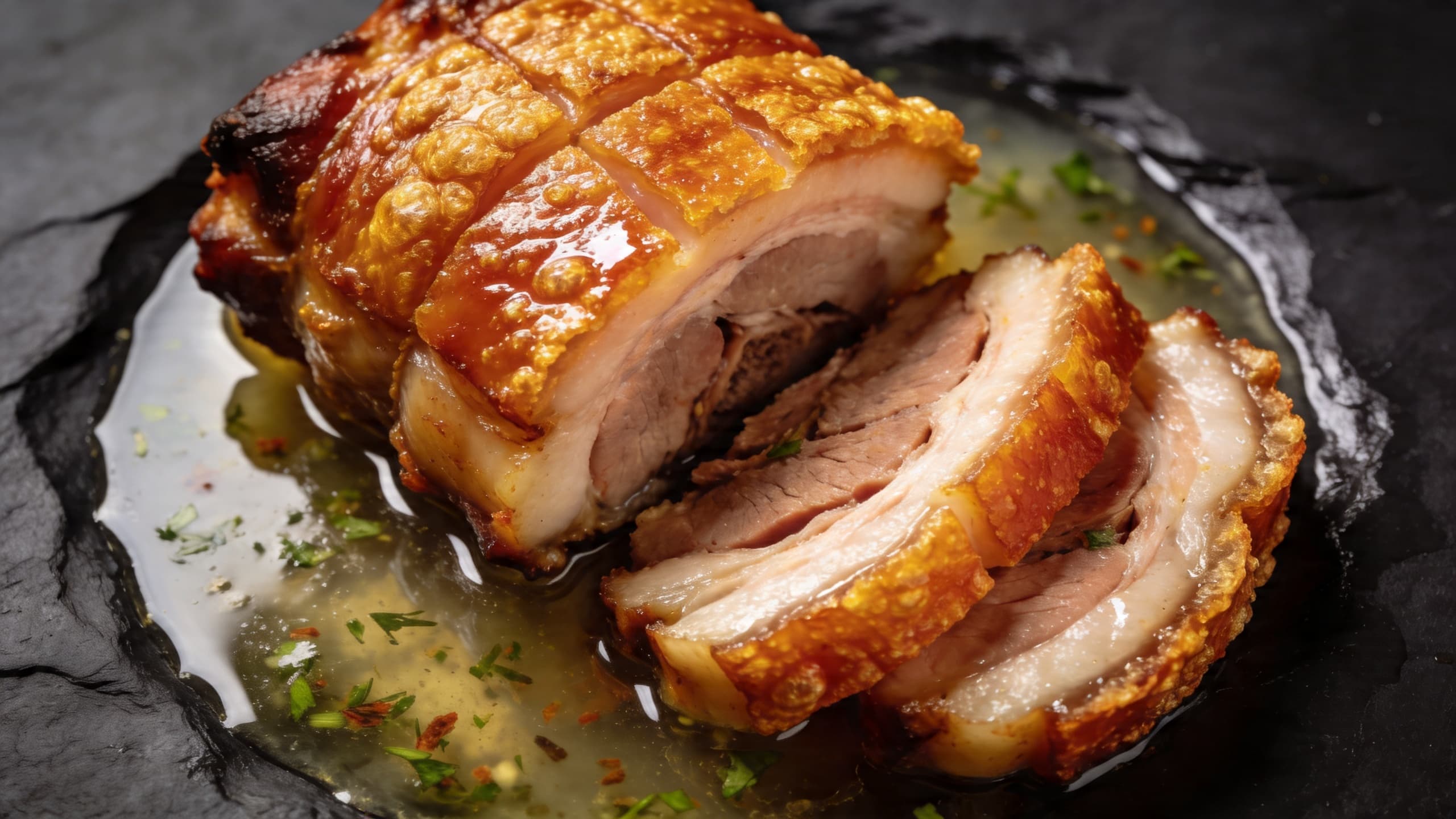
A Porchetta is inherently fatty. In a traditional Italian roast, that fat renders out and bastes the meat. In a fusion braise, that fat can form an oil slick on top of your herbal broth, preventing the lemongrass and ginger notes from actually penetrating the meat.
Key Takeaway: Always sear your meat aggressively before adding the broth. Remove the excess rendered fat from the pan, then deglaze. This ensures the aromatics in the brodo can actually reach the muscle fibers of the meat through the water-based liquid.
Final Thoughts: Respect the Lineage
Merging the Mediterranean with the Mekong isn't about erasing boundaries; it's about finding the common ground where they meet. When you get it right—when that first bite of Involtini carries the ghost of a Tuscan hillside and the vibrant soul of a Bangkok market—you aren't just a cook. You're a storyteller.
Warning: Never boil your galangal vigorously. A gentle "smile" (the Italian sobbollire) is all you need to extract the flavor without the woodiness.
Keep tasting, keep daring, and always respect the ingredients.
#fusioncooking #chefxi #italiancuisine #thaiflavors #braisingtechniques