

5 Hidden Pitfalls of Blistering Fruits and Veggies for Salsas, and How to Nail the Char Every Time
A Chef's Guide to Mastering the Flame and Avoiding Bitter Disasters

The Fire and the Fruit: A Journey from Carbonized Disasters to the Perfect Char
There is a specific, haunting aroma that fills a kitchen when the lineage of an ingredient meets the raw intensity of fire. It is the scent of transformation. In my early days, fresh from the disciplined, stainless-steel world of classical Italian apprenticeships, I viewed "blistering" as a simple binary: either it’s raw, or it’s burnt. I was wrong.
True blistering—the kind that creates a soulful salsa where the sweetness of a grape or the acidity of a tomato is amplified by a whisper of smoke—is a delicate dance of thermodynamics. It is about pushing an ingredient to its absolute limit without crossing the threshold into bitterness. I learned this the hard way through a series of "robotic" trials that resulted in more than a few scorched offerings to the culinary gods.
1. The "Water Bomb" Effect: Why Your Tomatoes Get Mushy
My first attempt at a charred tomato salsa was, frankly, a tragedy. I treated the tomatoes like I would a steak—high, direct heat on a cast-iron skillet. The result? The skins didn't blister; they disintegrated, and the interior turned into a hot, watery soup.
Did You Know? Tomatoes are roughly 94% water. When you apply high heat too slowly, the cellular walls collapse before the skin has a chance to char, leading to that dreaded "mushy" texture.
The Fix: You need aggressive, radiant heat. Whether you are using a broiler or a blowtorch, the goal is to shock the skin into blistering in under three minutes. This keeps the interior "fresco" (fresh) while giving you that smoky, papery skin that carries all the flavor.
2. The Grape Catastrophe: When Sweetness Turns Acrid
I once had the "brilliant" idea to blister red grapes for a fusion salsa to pair with a smoky pork tenderloin. I left them under the broiler just a minute too long. The sugars in the grapes didn't just caramelize; they underwent a hostile takeover. They turned into tiny, bitter carbon pellets.
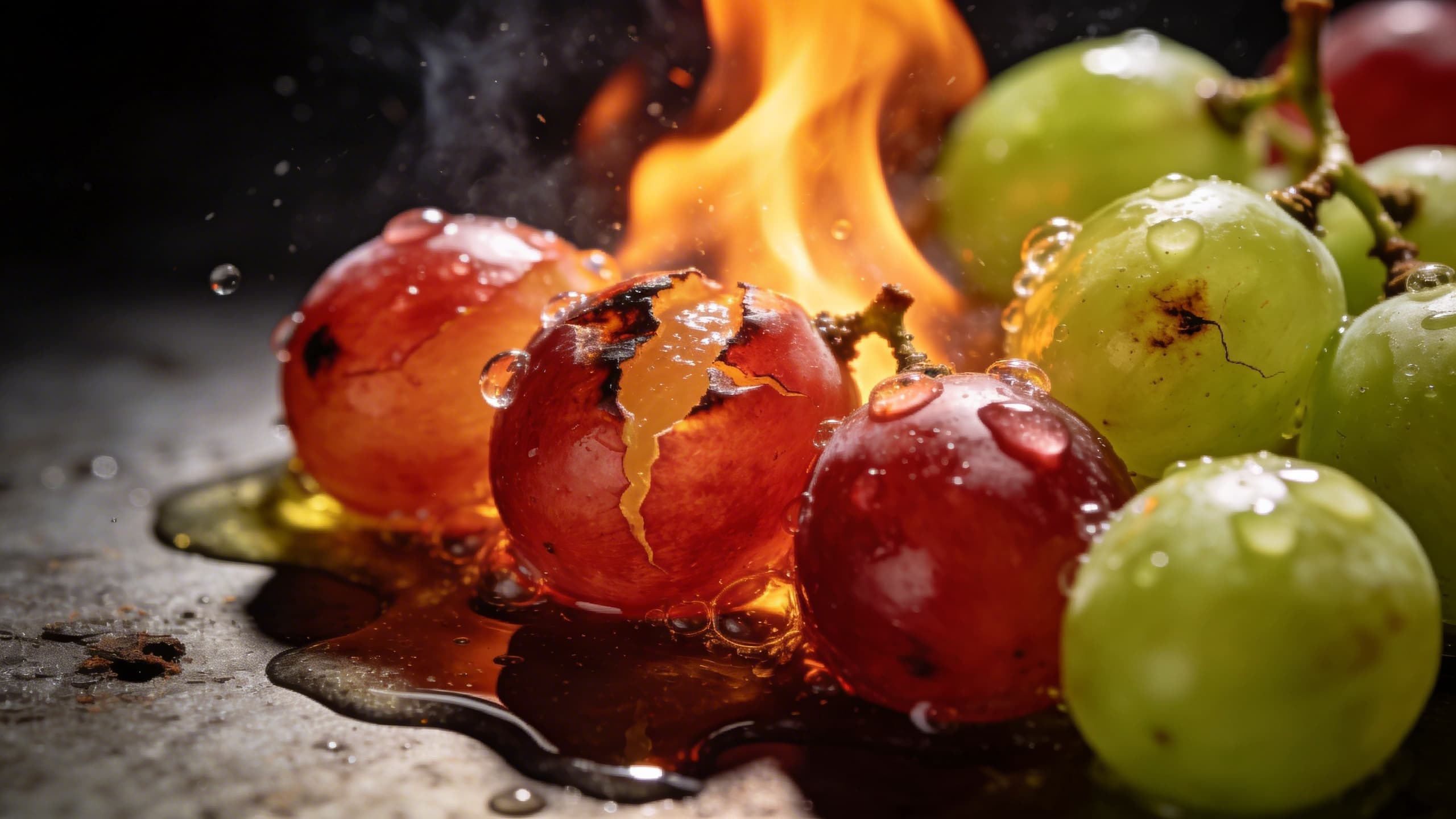
Pro Tip: Grapes have a very high sugar-to-acid ratio. To nail the char, toss them in a tiny amount of high-smoke-point oil (like avocado oil) and a pinch of sea salt. The salt acts as a heat buffer, and the oil helps the skin "fry" and blister before the sugar burns.
3. The Pineapple Pitfall: Ignoring the Surface Area
Pineapple is the king of the fusion grill, but its irregular shape is a nightmare for even blistering. If you cut it into chunks first, you lose all the juice to the flames. If you grill a whole ring, the center stays raw while the edges burn.
Warning: Never use "wet" pineapple. If the surface is covered in juice, the fruit will steam rather than sear. Pat your pineapple slices bone-dry with a paper towel before they touch the heat.
The Fix: I’ve found that "plank-cutting" the pineapple—long, thick vertical slabs—allows for maximum surface contact. Once the exterior has that beautiful, leopard-spotted char, you can dice it into your salsa. The contrast between the smoky exterior and the juicy, vibrant core is where the harmony lives.
4. The Varietal Trap: Not All Produce is Created Equal
In my kitchen lab, I discovered that a Roma tomato and a Cherry tomato require completely different heat strategies. A Roma has thick walls and lower water content, making it a tank on the grill. A Cherry tomato is a delicate orb that will explode if you look at it wrong.
5. The "Steam Room" Mistake: Forgetting the Rest
The most common mistake happens after the fruit or veggie leaves the heat. If you throw hot, blistered peppers or tomatoes directly into a blender, the residual steam continues to cook them. You end up with a cooked sauce, not a vibrant salsa.
Great cooking is about technique, not complexity. The char is the seasoning; the rest is just the canvas.
Key Takeaway: Always let your blistered ingredients rest in a bowl covered with plastic wrap for 10 minutes. This "steaming" period loosens the skins (if you want to peel them) and allows the juices to settle, ensuring your salsa stays chunky and bright.
From Disaster to Triumph: The Signature Salsa
These pitfalls weren't just failures; they were the ink on the page of my culinary legacy. Today, my signature "Fire-Kissed Harvest Salsa" uses these exact lessons. I blister the grapes until they just pop, char the pineapple until it looks like mahogany, and shock the tomatoes so the skins shatter like glass.
Respect the lineage of the flame, and it will reward you with flavors that bridge the gap between an Italian summer and a global grill.
#grillingtips #fusionsalsa #chefxi #culinaryscience