

5 Hidden Pitfalls in Quick-Pickling Veggies for Bold Glazed Meats—and My Fixes from Gochujang Pork Trials
How to master the crunch and acidity that elevates bold fusion dishes while saving your grocery budget.

The Crunch That Saves the Plate
In the world of fusion cooking, where I often find myself marrying the deep, fermented funk of Korean Gochujang with the smoky, slow-cooked traditions of American BBQ, there is one unsung hero that keeps the entire dish from collapsing into a heavy, one-note experience: the quick-pickle.
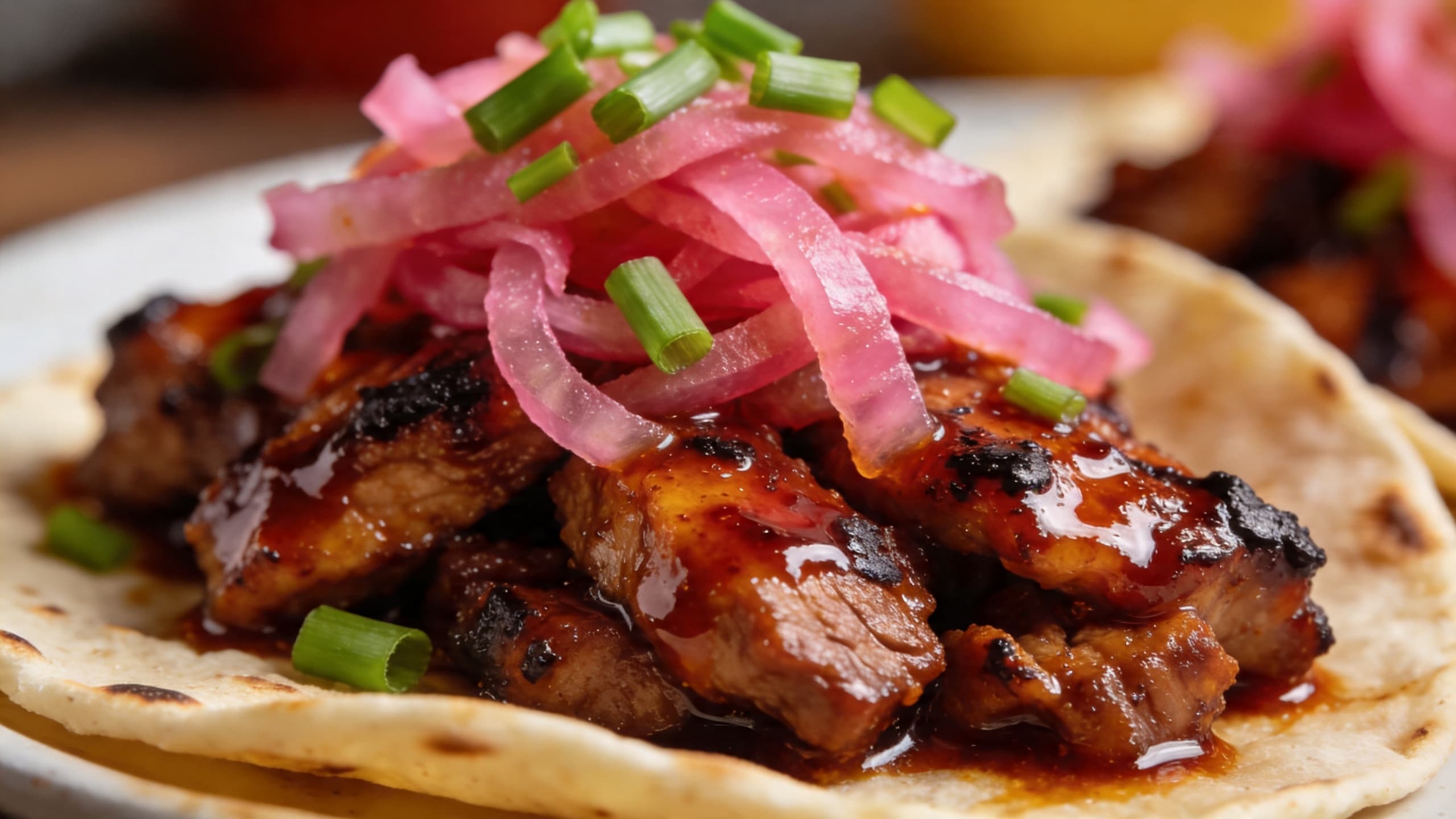
We’ve all been there—you spend twelve hours nurturing a pork shoulder or glazing ribs in a rich, spicy Gochujang-based sauce, only to realize the plate feels "muddy." It needs acid. It needs a snap. But many home cooks treat quick-pickling as an afterthought, throwing some vinegar and sugar at a cucumber and hoping for the best.
Throughout my trials with Gochujang-Glazed Pork, I realized that a bad pickle doesn't just taste "off"; it wastes money. When your expensive protein is overshadowed by a soggy, overly-sweet garnish, the whole meal suffers. Here are the five hidden pitfalls I’ve encountered and the fixes that will save your textures (and your grocery budget).
1. The "Hot Brine" Soggy Trap
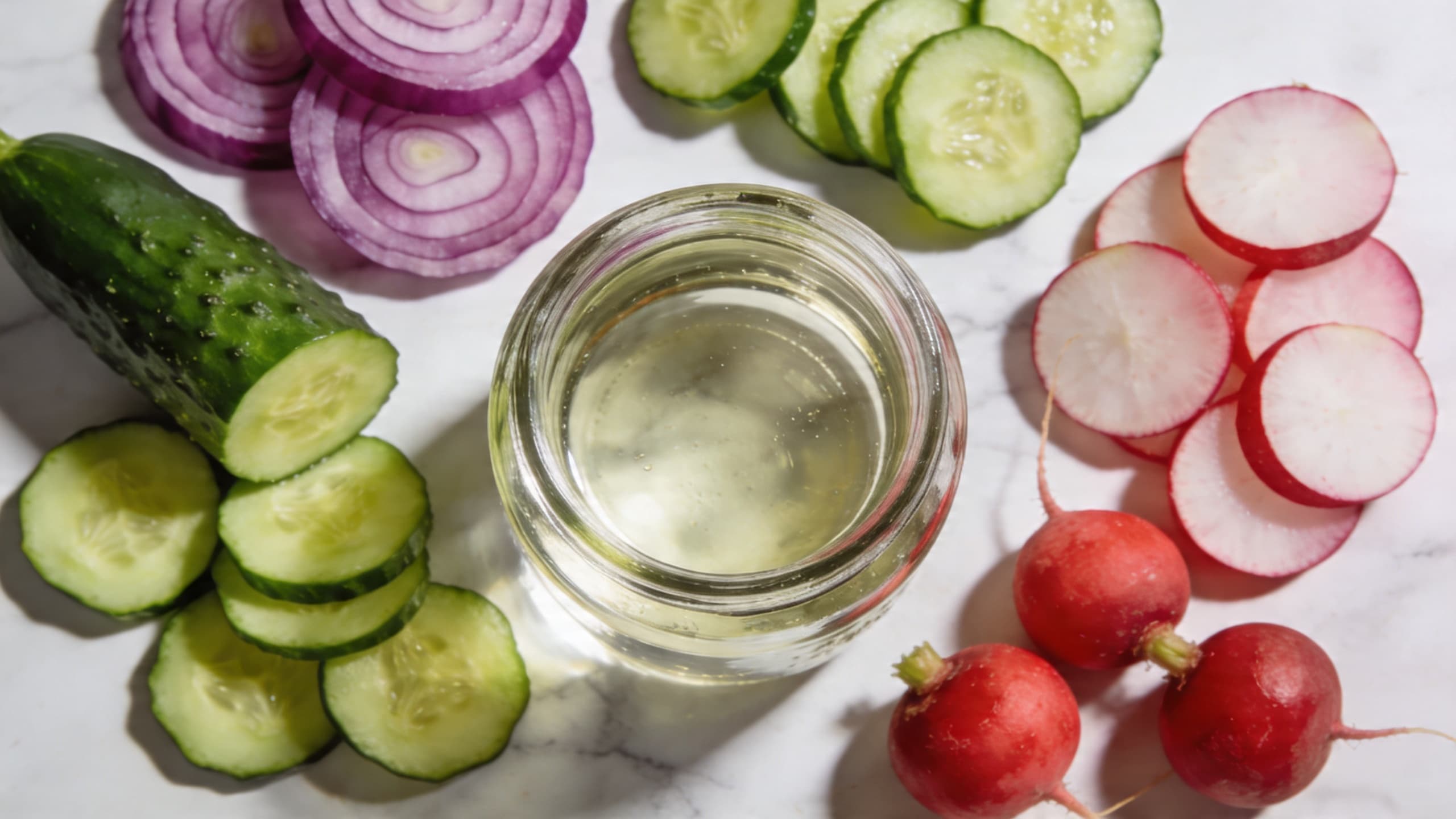
The most common mistake is pouring a boiling-hot brine directly onto delicate vegetables like cucumbers or thinly shaved radishes. While heat helps dissolve sugar and salt, it also parcooks the vegetable, killing that essential "snap."
Tip: For maximum crunch, let your brine cool to room temperature before adding it to the vegetables. If you’re in a rush, use a "cold-start" method: whisk your salt and sugar into the vinegar until dissolved without using heat at all.
2. Ignoring the "Osmotic Pre-Game"
Vegetables are full of water. If you drop them straight into a brine, they release that water, diluting your vinegar and making the pickles bland and soft within hours.
In my early Gochujang pork experiments, my pickles would be watery by the time the pork was shredded. The fix? Salt-sweating. Toss your sliced veggies in a bit of kosher salt and let them sit for 15 minutes. Drain the liquid that pools at the bottom before adding your brine. This keeps the brine concentrated and the vegetable walls firm.
Great cooking is about technique, not complexity.
3. The Sugar-to-Vinegar Imbalance
Many recipes call for a 1:1 ratio of sugar to vinegar. When pairing with a bold, sweet-and-savory glaze like Gochujang, an overly sweet pickle is a disaster. It adds sugar to sugar, making the meal feel cloying.
Key Takeaway: For glazed meats, lean into the acid. A 3:2:1 ratio (3 parts water, 2 parts vinegar, 1 part sugar) is a classic, but for Gochujang pork, I prefer a "Sharp Brine": 1 part water to 1 part vinegar, with only a tablespoon of sugar per cup of liquid. This sharpness cuts through the fat of the pork perfectly.
4. Using the Wrong Vinegar "Essence"
Not all acids are created equal. Distilled white vinegar is often too harsh, tasting like a cleaning product rather than a culinary ingredient. Conversely, balsamic is too heavy and will stain your vegetables a muddy brown.
For a fusion dish that respects both Italian and Asian roots, I look for Rice Vinegar or Apple Cider Vinegar. They offer a mellow, fruity profile that bridges the gap between the spicy Gochujang and the smoky meat.
Did You Know? Rice vinegar has a lower acidity (usually 4-5%) than white vinegar (5-7%), making it much more "drinkable" and complementary to delicate fusion flavors.
5. The "One-Note" Seasoning Oversight
A pickle shouldn't just be sour; it should have its own soul. If you only use vinegar and salt, you’re missing an opportunity to echo the spices in your meat.
In my kitchen, I’ve found that adding a few "bridge" ingredients to the jar makes the fusion seamless. For Gochujang pork, try adding:
- Toasted Fennel Seeds: A nod to Italian sausage that pairs beautifully with pork.
- Smashed Garlic: For that pungent depth.
- A slice of Ginger: To brighten the Asian notes.
The Money-Saving Logic
Why does this matter for your wallet? Because "quick-pickling" is the ultimate way to use up those "forgotten" vegetables in the back of your crisper drawer. That half-head of cabbage, the three stray carrots, or the softening red onion can all be transformed into a high-end condiment that elevates a simple meal into a restaurant-quality experience.
Instead of buying expensive, pre-made relishes or chutneys, you are creating a bespoke flavor profile for pennies.
Pro Tip: Don't throw away the leftover brine! Once you've eaten the veggies, use the "pickle juice" as a base for a vinaigrette or a marinade for your next batch of chicken. It’s liquid gold.
Respect the Lineage, Master the Snap
Whether you are serving a traditional Italian roast or a daring Korean-BBQ fusion, the principles of acid and texture remain the same. By avoiding these pitfalls, you ensure that every component on the plate serves a purpose.
Taste the history, but don't be afraid to rewrite the rules of the jar. Your pork—and your palate—will thank you.
#pickling #fusioncooking #gochujang #kitchenhacks #budgetmeals