

5 Hidden Pitfalls in Home Wood-Fired Grilling and How to Fix Them
Mastering the Flame Without Burning Your Budget

The High Cost of the Wrong Ember: A Lesson in Wood-Fired Wisdom
We often think of wood-fired grilling as the ultimate luxury—the playground of high-end steakhouses or rustic villas in the Tuscan countryside. But for those of us who live for the marriage of a perfectly marbled ribeye and the daring, aromatic smoke of Southeast Asian hardwoods, the "luxury" often comes with a steep price tag if you aren't careful. I’m not just talking about the cost of the meat, but the literal waste of fuel, time, and flavor.
In my early days of experimenting with wood-fired fusion, I treated my grill like a furnace. I thought more wood meant more flavor. I was wrong. I ended up with "creosote chicken" that tasted like a telephone pole and ribeyes that were charred on the outside but raw and cold in the center. It was a waste of beautiful ingredients and expensive fruitwoods.
Today, I want to share the "money-saving" side of the flame. By mastering heat management and wood selection, you don't just cook better food; you stop burning through your grocery budget.
1. The "Clean Smoke" Fallacy: Stop Burning Your Budget Away
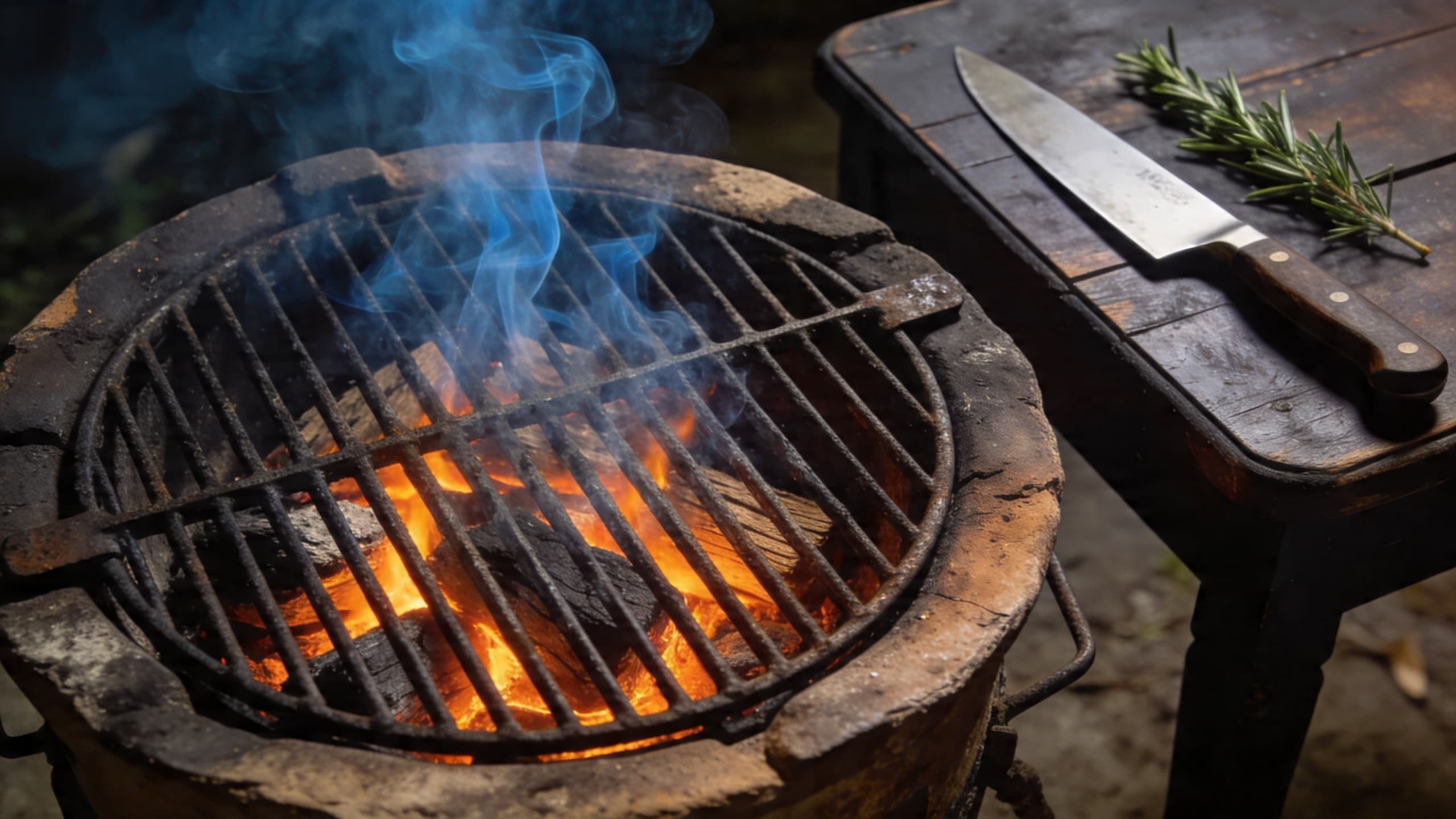
One of the biggest mistakes home cooks make is adding wood too early or using wood that isn't properly seasoned. When you see thick, billowing white smoke, you aren't seeing flavor; you're seeing incomplete combustion. That smoke is bitter, and it coats your expensive Mediterranean lamb or prime ribeye in a layer of soot that ruins the palate.
Pro Tip: Look for "Blue Smoke." It should be almost invisible, a thin, shimmering heat wave with just a hint of blue. This indicates the wood is burning at the perfect temperature to release aromatic phenols without the bitter carbon.
2. The Trap of Single-Zone Heating
If you fill your entire grill grate with burning logs, you have no "escape hatch." I learned this the hard way with a batch of lemongrass-marinated pork collar. The sugar in the marinade ignited, and because I had a uniform wall of fire, I had nowhere to move the meat. I lost the entire batch.
Warning: Never cover more than 50-60% of your grill floor with active coals or wood. You need a "cool zone" to allow meats to finish via indirect heat. This prevents flare-ups from ruining expensive cuts.
3. Ignoring the "Provenance" of Your Wood
Wood is an ingredient, not just a fuel. Using generic, kiln-dried scrap wood is like using table salt on a dish that cries out for Maldon sea salt. However, you don't need to buy "designer" wood chunks at a premium.
I once spent fifty dollars on 'artisanal' hickory chunks only to realize my neighbor’s pruned apple branches, dried for six months, produced a far superior, sweeter smoke for my Italian-inspired pork.
4. The "Cold Meat" Collision
Putting a stone-cold ribeye directly over a wood fire is a recipe for a "grey band"—that unappealing layer of overcooked meat surrounding a tiny red center. To get that fusion-style sear (think Bistecca alla Fiorentina meets Thai crying tiger steak), the meat needs to be tempered.
- Take the meat out 45 minutes before grilling.
- Salt it early to draw out moisture, then pat it bone-dry.
- Use the "Reverse Sear" method: start in the cool zone, finish over the flame.
Key Takeaway: Tempering your meat ensures even heat penetration, meaning you don't have to overcook the exterior to reach the desired internal temp. This preserves the volume and juice of the meat—more food on the plate for your money.
5. Over-Smoking: The Fusion Flavor Killer
In fusion cooking, balance is the soul of the dish. If you are using a delicate balsamic glaze or a bright gremolata with yuzu, heavy mesquite smoke will act like a bulldozer, crushing those nuances.
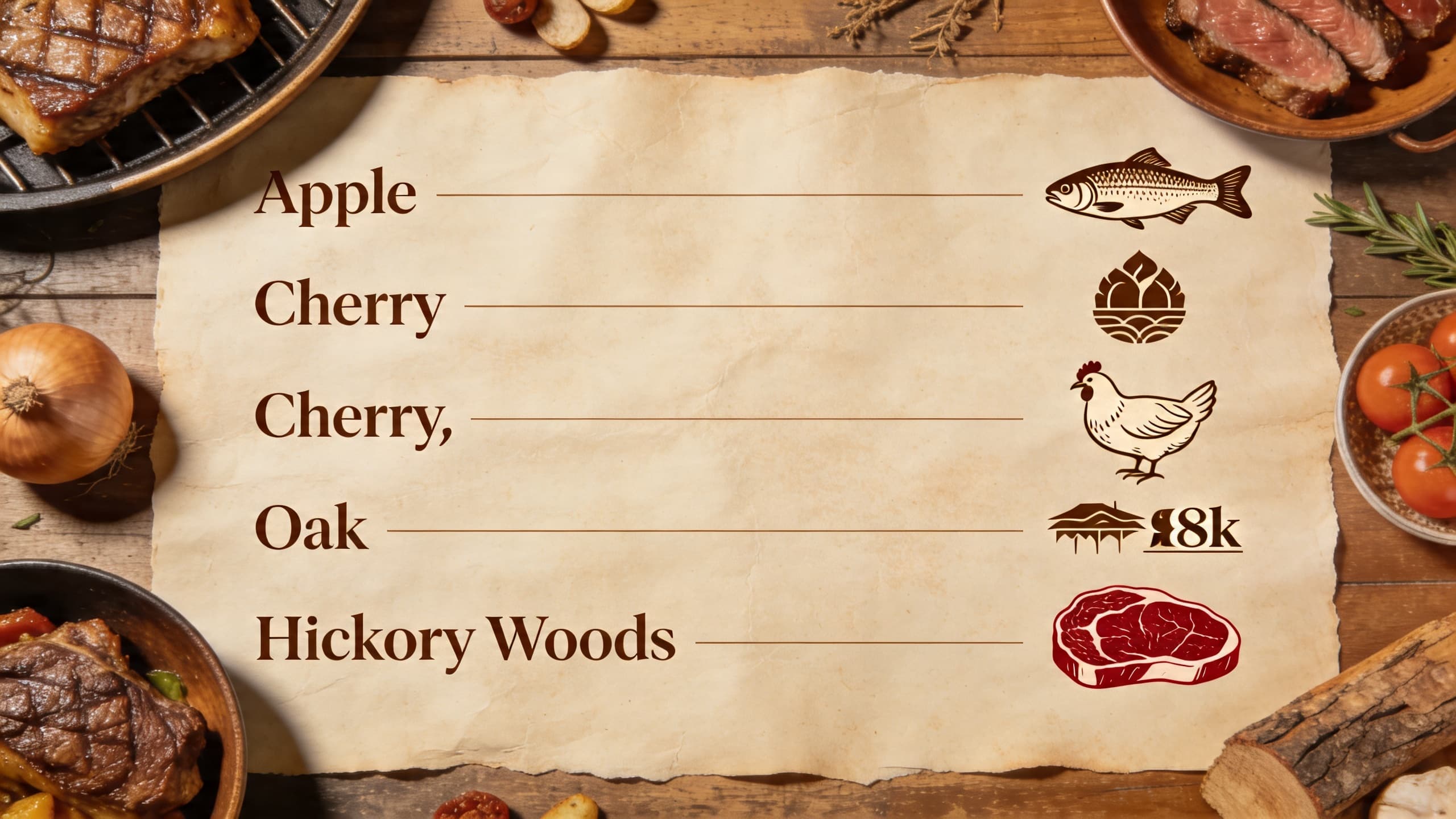
Tip: For Italian-Asian fusion, stick to fruitwoods (Apple, Cherry, or Peach). They offer a sweetness that complements the acidity of balsamic and the pungency of fish sauce or galangal without overwhelming them.
The Final Ember
Cooking with wood is an ancient tradition, a legacy of our ancestors sitting around the first fires. But in a modern kitchen, it requires a scientist's precision and a poet's touch. Respect the wood, manage your zones, and stop treating your grill like a bonfire. Your palate—and your wallet—will thank you.
Taste the history. Respect the flame.
#woodfiredgrilling #fusioncooking #bbqtips #chefxi #moneysavingtips