

5 Hidden Pitfalls in Balancing Acidity for Italian Fusion Glazes
Lessons from Pomegranate to Yuzu Kosho: Mastering the Chemistry of the Plate

The Alchemy of the Glaze: Beyond the Balsamic
In the sun-drenched kitchens of my youth, acidity was a singular, revered deity: Aceto Balsamico di Modena. It was the dark, syrupy lifeblood that cut through the richness of roasted pork or brightened a simple plate of Parmigiano-Reggiano. But as I’ve traveled from the olive groves of Tuscany to the vibrant markets of Kyoto and the pomegranate orchards of the Levant, I’ve realized that acidity isn't just a flavor—it’s a structural element of nutrition and preservation.
When we talk about "Italian Fusion," we aren't just throwing ingredients into a pot. We are engaging in a chemical dialogue. Glazes are where this dialogue becomes most heated. A glaze is a reduction, a concentration of sugars and acids that must achieve a delicate harmony. If you miss the mark, you don't just lose flavor; you lose the nutritional integrity of your ingredients.
1. The Pomegranate Peril: Tannins and Timing
Pomegranate molasses is a cornerstone of Levantine cooking, and its deep, earthy tartness feels like a natural cousin to a high-quality balsamic. However, the chemistry is vastly different. Pomegranates are high in polyphenols and tannins. When you reduce a pomegranate-based glaze too quickly or over high heat, those tannins become aggressively bitter.
I learned this the hard way while trying to create a "Sicilian-Levantine" glaze for smoked swordfish. I treated the pomegranate juice like a balsamic reduction, boiling it hard. The result? A metallic, astringent mess that masked the delicate oils of the fish.
Tip: To preserve the antioxidant-rich profile of pomegranate, reduce it at a low simmer. Add a touch of honey or fig jam to buffer the tannins and create a smoother mouthfeel.
2. The Yuzu Kosho Trap: Salt and Volatility
Yuzu Kosho—that fermented Japanese paste of yuzu zest, chili, and salt—is a flavor bomb. It brings a floral, citrusy acidity that can make an Italian Gremolata feel two-dimensional. But here is the pitfall: Yuzu Kosho is incredibly salty and its aromatic oils are highly volatile.
If you add Yuzu Kosho at the beginning of your glaze reduction, the heat will destroy the delicate floral notes of the yuzu, leaving you with nothing but a salt-heavy, spicy liquid. You lose the "freshness" that makes the fusion work.
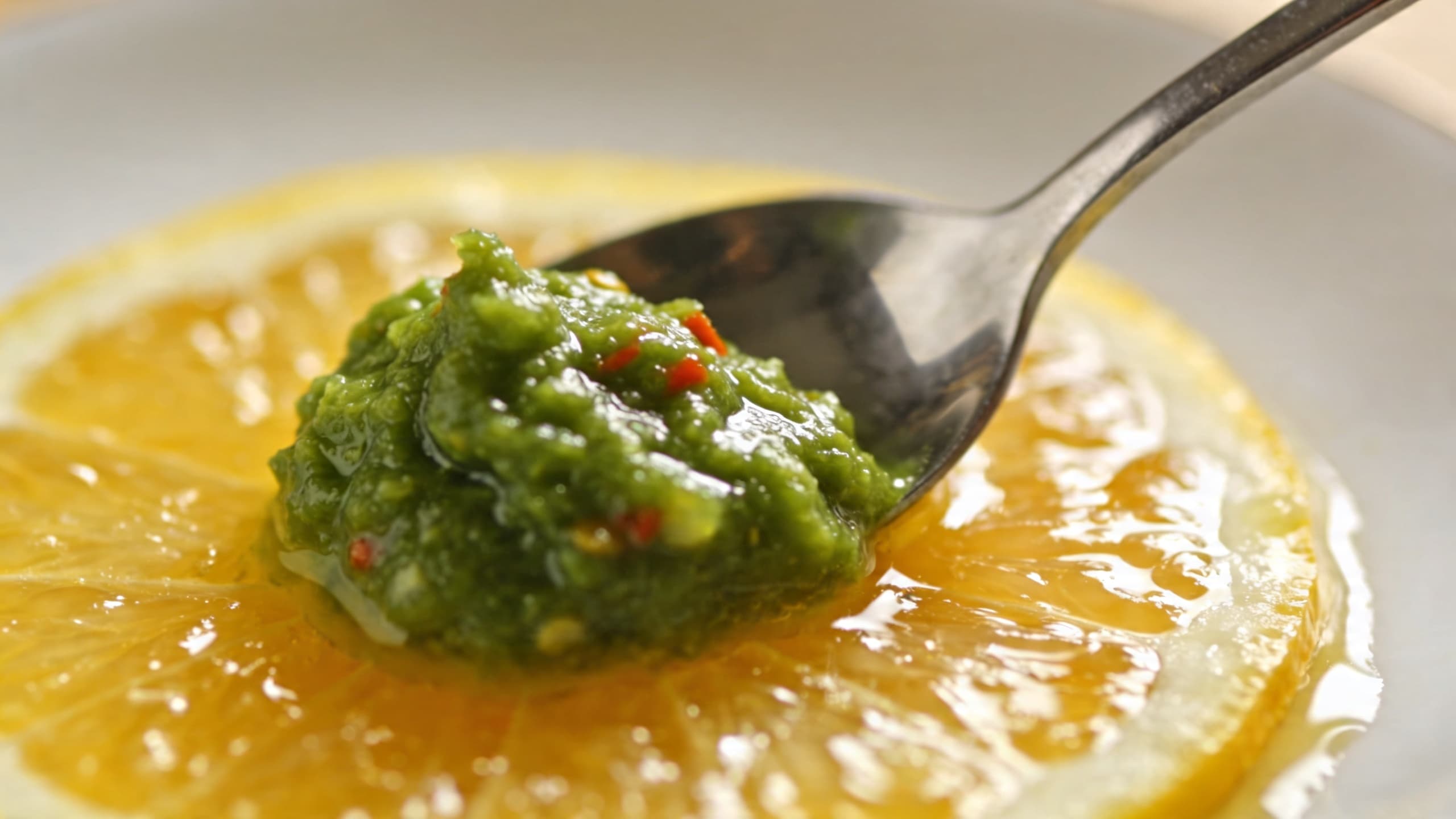
Pro Tip: Treat Yuzu Kosho as a "finishing acid." Whisk it into your glaze after you’ve pulled the pan from the heat. This preserves the Vitamin C and the bright, aromatic compounds that bridge the gap between East and West.
3. The Sugar-Acid Seesaw: Nutritional Density
In traditional Italian preservation—Sott'olio or Sott'aceto—acid is used to prevent spoilage. In glazes, we often use sugar to create that sticky, lacquered finish. The pitfall here is over-reliance on refined sugars to balance the acid.
When you use a high-acid ingredient like Yuzu or Pomegranate, the temptation is to dump in brown sugar. This creates a "sugar spike" glaze that is nutritionally empty. Instead, look to the Italian tradition of using fruit must or Saba.
Did You Know? Saba is a traditional Italian condiment made from unfermented grape must. It provides natural sweetness and complex acids that are far more nutritionally dense than refined sugar.
4. The pH Factor: Texture and Emulsification
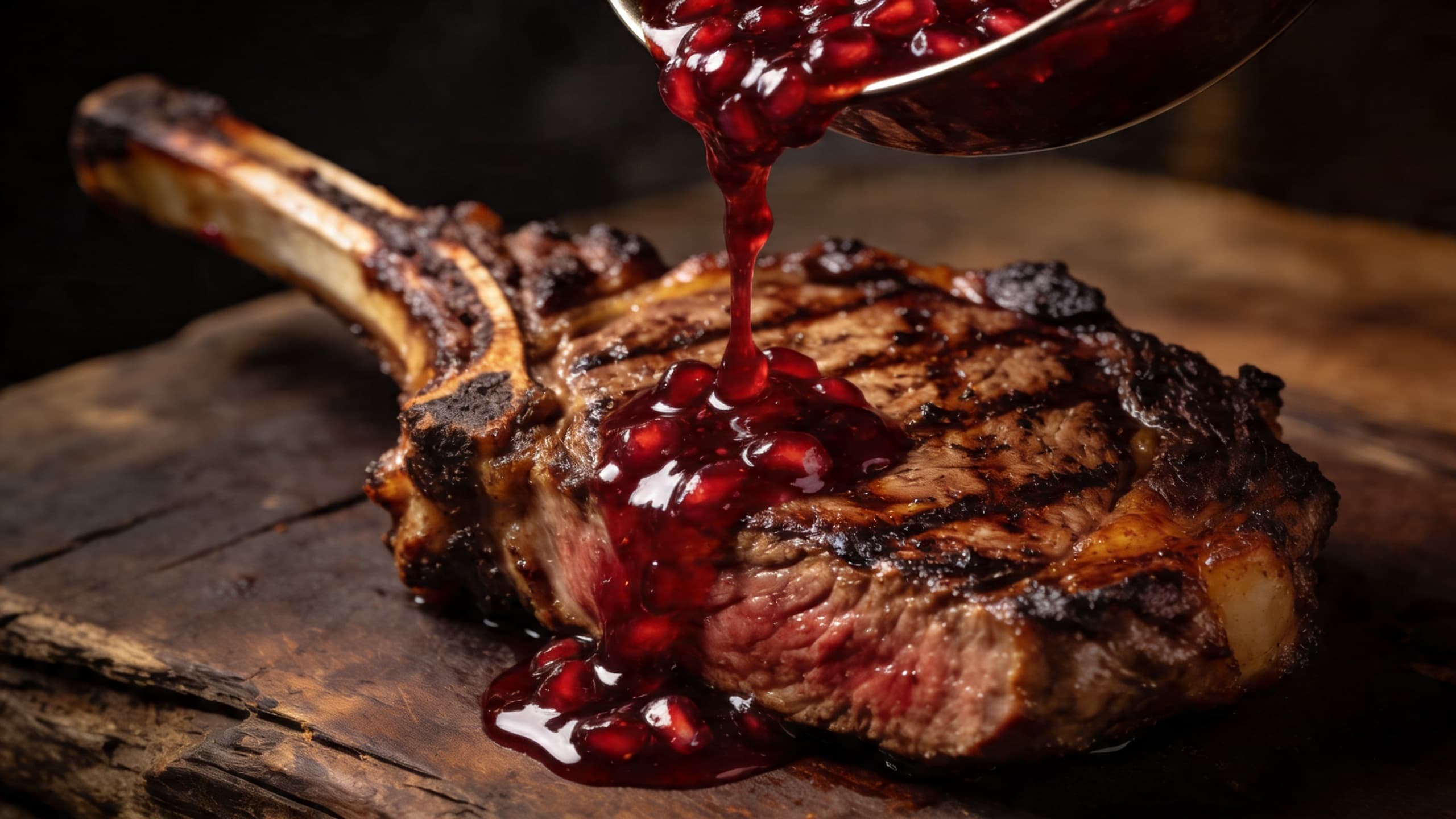
Acid does more than provide flavor; it changes the physical structure of your glaze. High acidity can cause certain fats to break or "split." If you are incorporating a bit of butter or olive oil into your glaze for that classic Italian lucidatura (shine), a sudden hit of pomegranate acid can turn your smooth glaze into a greasy, separated disaster.
5. Respecting the Lineage of Preservation
Ancient Italian techniques often used "sour" elements not just for taste, but for health. The acidity helped break down tough proteins and aided digestion. In fusion, we must respect this lineage. When you pair the fermented heat of Yuzu Kosho with the smoky depth of a BBQ glaze, you are combining two different cultures of fermentation.
Great cooking is about technique, not complexity. Respect the acid, and the acid will respect the plate.
Quick Fixes for Glaze Disasters
If your fusion glaze has gone off the rails, don't toss it. Try these "Robot-Tested" fixes:
- Too Bitter? Add a pinch of sea salt and a drop of fat (butter or high-quality olive oil). Fat is the ultimate buffer for tannins.
- Too Salty (The Yuzu Kosho Mistake)? Add a splash of water and a touch of "neutral" acid like rice vinegar or a squeeze of fresh lemon. Do NOT add more sugar; it just makes the glaze cloying.
- Too Thin? Don't keep boiling it (you'll lose the flavor). Use a tiny cornstarch slurry or whisk in a cold knob of butter off the heat.
Key Takeaway: Balancing acidity in fusion glazes requires a "layered" approach. Start with your base acids (Balsamic or Saba), add your "body" acids (Pomegranate), and finish with your "aromatic" acids (Yuzu Kosho).
Taste the history. Respect the lineage. And never be afraid to let the pomegranate bleed into the balsamic.
#ItalianFusion #ChefTips #GlazeMastery #CulinaryScience #NutritionInCooking