

5 Game-Changing Ways to Transform Pistachios from Italian Heritage Snack to Fusion Meat Seasoning Hero
From the volcanic soil of Etna to the heat of the global grill.

The Volcanic Soul of the Emerald Nut
In the shadow of Mount Etna, the soil isn't just dirt; it’s a living, breathing history of fire and mineral. This is where the Pistacchio di Bronte—Sicily’s "Green Gold"—finds its voice. For centuries, these trees have been harvested only in odd-numbered years, a rhythmic patience that allows the trees to concentrate their essence into a nut that is vibrantly green, intensely fatty, and deeply aromatic.
In my kitchen, I’ve always viewed ingredients as a form of liquid history. But for a long time, I kept the pistachio in its traditional Italian box: cannoli, pesto, or a simple snack. It wasn't until a sweltering afternoon in a small kitchen in Mexico, while watching a local chef toast pumpkin seeds for a mole, that the lightning bolt struck. Why wasn't I treating the pistachio with the same aggressive, heat-driven respect we give to spices and seeds in the world of BBQ?
1. The Toasting Trap: Mastering Heat Control
The first mistake most cooks make is treating pistachios like walnuts or almonds. Because of their high chlorophyll and oil content, pistachios are temperamental. If you blast them with high heat, they turn bitter and lose that signature emerald hue.
To transform them into a "Meat Seasoning Hero," you must master the dry-toast. I learned this the hard way when I tried to make a pistachio-espresso rub for a rack of lamb. I scorched the nuts in a pan, and the resulting crust tasted like burnt rubber rather than the earthy, nutty harmony I envisioned.
Pro Tip: Always toast your pistachios whole at a low temperature (around 300°F/150°C) for 8-10 minutes until they just begin to smell like toasted brioche. Let them cool completely before grinding; if they are warm, they will turn into butter instead of a dry rub.
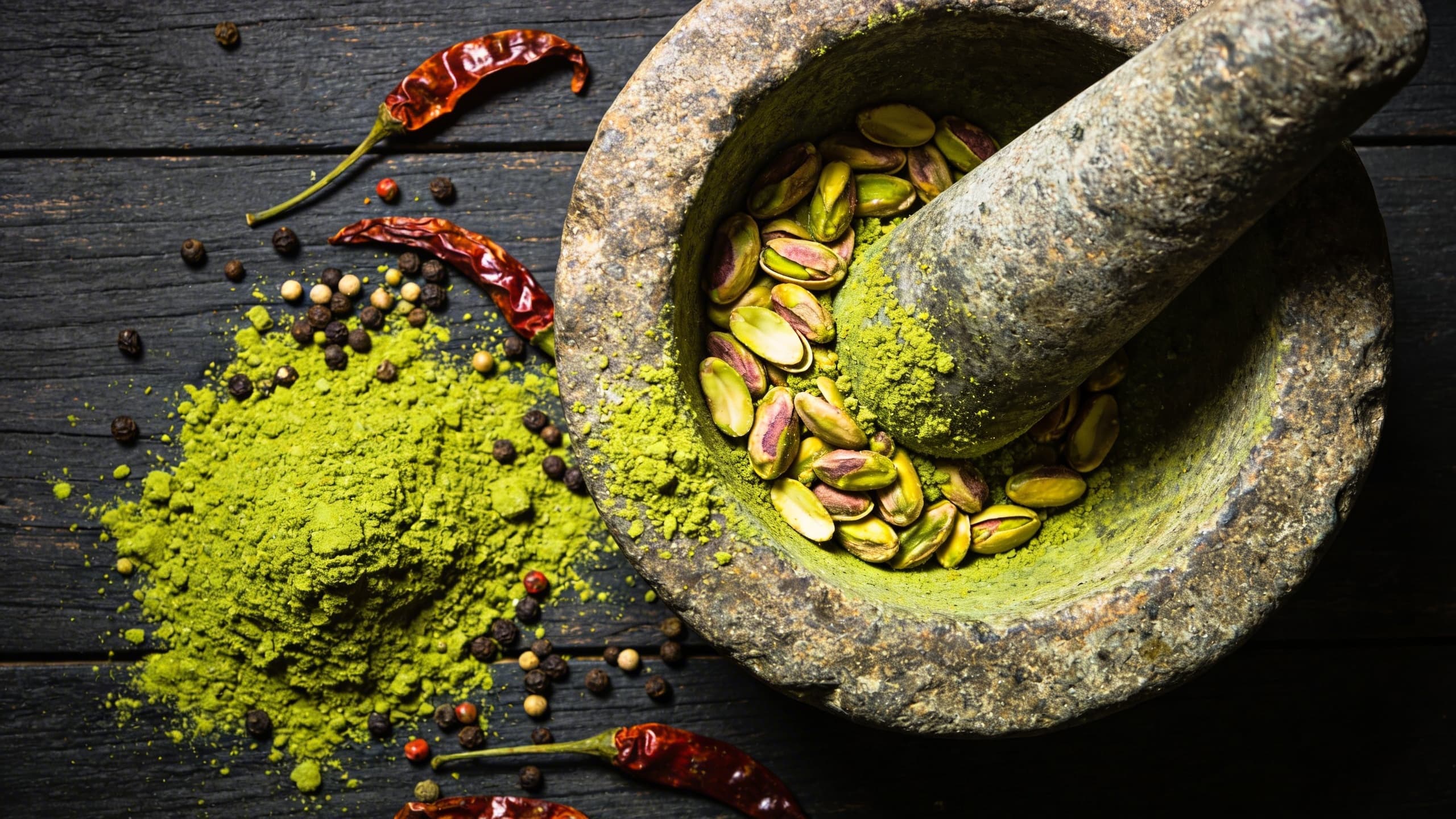
2. The Adobo-Pistachio Bridge: Fat Meets Fire
One of my most successful "trial-and-error" stories involved a Smoked Pork Shoulder. I wanted to marry the acidity of a Mexican adobo with the richness of Sicily. I realized that the natural fats in the pistachio could act as a "flavor carrier" for the capsaicin in the chilies.
I created a rub using ground pistachios, guajillo chili powder, smoked paprika, and a touch of cumin. The result? The pistachio fat protected the meat, creating a crust (or "bark") that was velvety yet crunchy.
“The pistachio isn't just a garnish; it’s a structural element. It provides the lipid bridge that allows smoke and spice to penetrate the muscle fiber without drying it out.”
3. The Espresso-Pistachio Rub: A Study in Bittersweet
This is where the fusion gets daring. Ancient Sicilians often paired pistachios with coffee in desserts, but taking it to a Porterhouse steak was a gamble. In my first attempt, the coffee overpowered everything.
The fix? I adjusted the ratio to 3 parts pistachio, 1 part finely ground espresso, and 1 part dark brown sugar. The sugar carmelizes, the coffee provides a tannic backbone, and the pistachio rounds off the sharp edges with its creamy finish.
Did You Know? The mineral stress of volcanic soil in Bronte gives these pistachios a higher concentration of essential oils, making them more resilient to the long, slow heat of a smoker than store-bought varieties.
4. Texture as a Technique: The "Crackle" Factor
When using pistachios for meat, you have to decide: are you making a fine spice rub or a textured crust? For quick-sear meats like venison or duck breast, a coarse grind is your best friend.
I remember a dinner where I served a pistachio-crusted sea bass. I hadn't accounted for the moisture of the fish, and the crust turned into a soggy green paste.
Warning: If applying a pistachio rub to high-moisture proteins, sear the meat first, then apply the pistachio "dust" during the final minutes of cooking or resting to preserve the "Crackle."
5. The Acid Balance: Respecting the Lineage
In Sicily, pistachios are often finished with a squeeze of lemon or a splash of vinegar. When you bring them into the world of BBQ and global spice, don't forget the acid.
Whether it's a pistachio-sumac rub (my personal favorite for poultry) or a pistachio-ancho blend, the richness of the nut demands a counterpoint. I’ve found that incorporating dried lime powder or even a touch of citric acid directly into the dry rub keeps the flavors "vibrant" rather than "heavy."
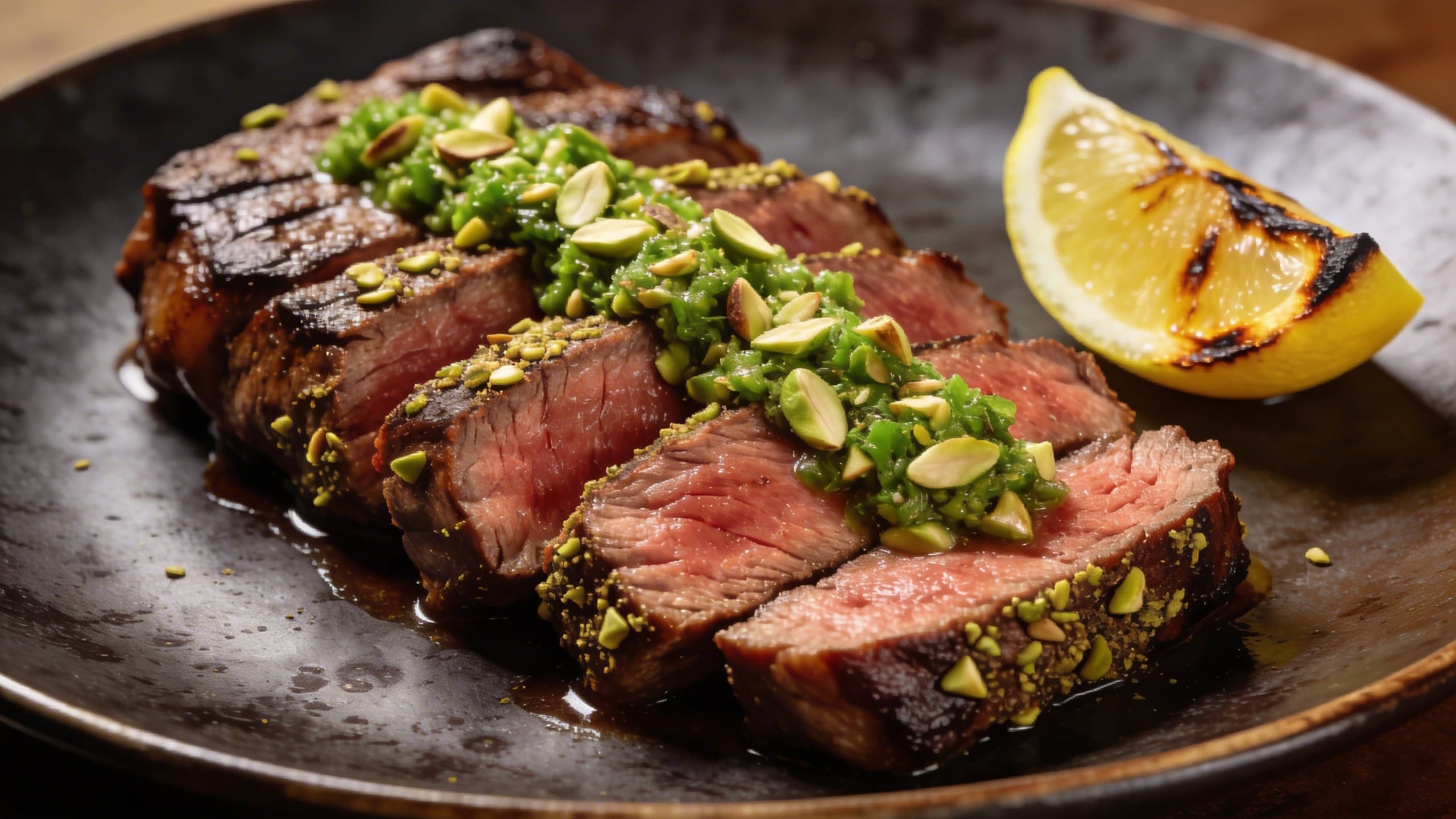
Key Takeaway: To move the pistachio from the snack bowl to the grill, treat it as a fat source and a flavor stabilizer. Respect its history by sourcing the best you can find, but dare to pair it with the fires of the world.
Taste the history.
The plate is your page, and the pistachio is a very green, very bold ink. How will you write your next meal?
#pistachio #fusioncooking #bbqtechniques #sicilianheritage #chefxi