

5 Fusion Pitfalls When Marrying Smoky Spices to Mediterranean Meats—and How I Fixed Them in My Kitchen
Mastering the Art of Smoky Mediterranean Fusion

The Alchemy of Smoke and Sun
Marrying the primal, rugged essence of smoke with the refined, sun-drenched ingredients of the Mediterranean is a culinary tightrope walk. In my kitchen, I’ve always believed that ingredients are the ink and the plate is the page, but when you introduce heavy smoke and bold spices like paprika or dendê oil to delicate Mediterranean meats, the story can quickly become a tragedy of overpowered flavors.
I’ve spent years experimenting with how to bridge the gap between a Tuscan hillside and a smoky barbecue pit. It wasn't always successful. There were nights where the "Essence" I was chasing tasted more like an ashtray than a heritage dish. But through trial, error, and a bit of food science, I’ve found the harmony.
1. The Paprika Paradox: Oil vs. Heat
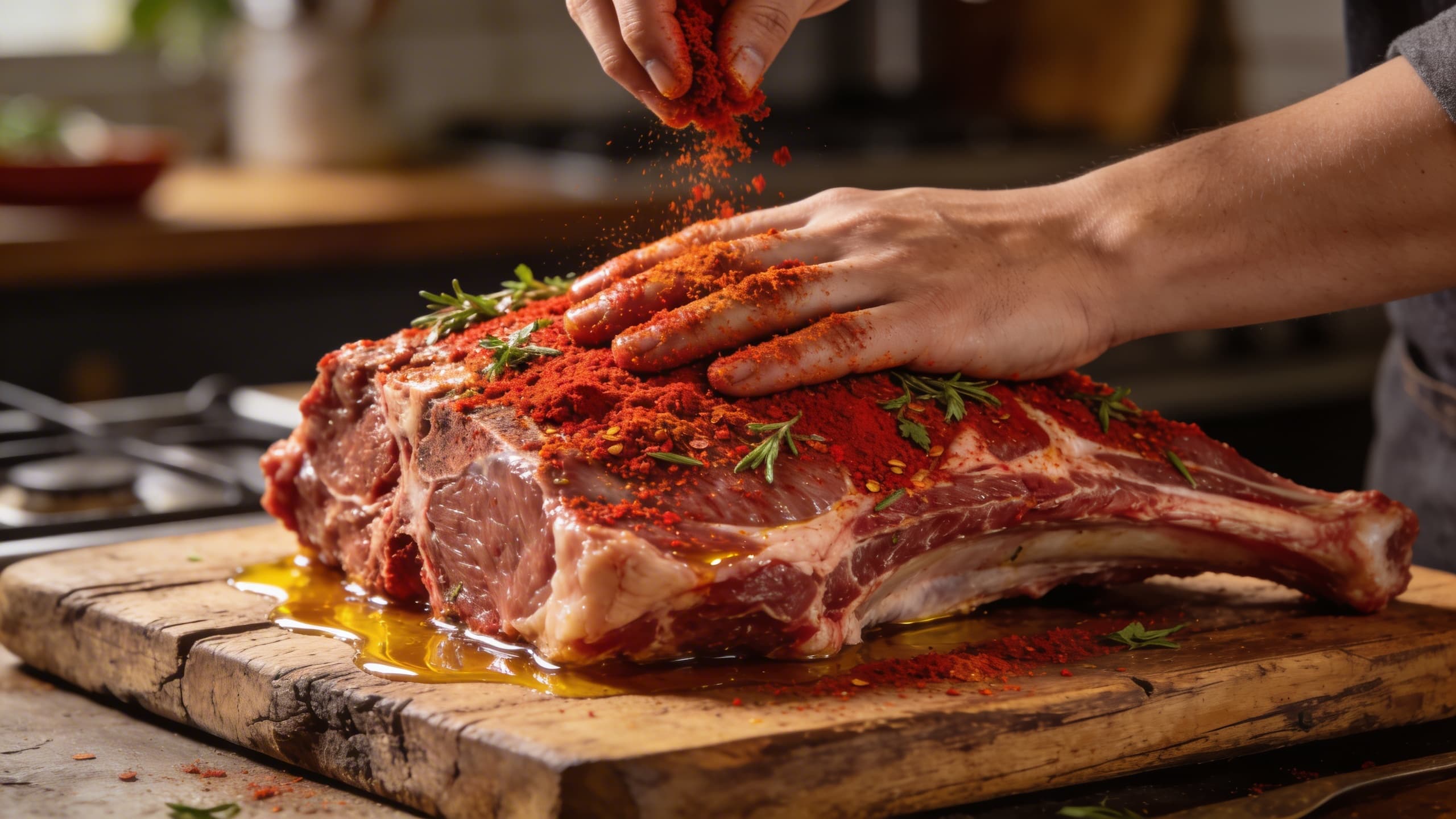
One of the first mistakes I made was treating smoked paprika (Pimentón) like a standard dried herb. Paprika is fascinating from a chemical perspective; its flavor compounds are fat-soluble. If you toss it into a dry braising liquid, it sits on the surface, offering a gritty texture and a muted, one-dimensional smoke.
The Fix: You must "bloom" your paprika in fat—but timing is everything. Because of its high sugar content, paprika burns in seconds, turning bitter and "dusty." I started using a technique inspired by the Indian Tadka: heating a small amount of olive oil (or a touch of dendê for depth), stirring in the paprika for exactly 15 seconds until it becomes vibrant and fragrant, and then immediately deglazing with wine or stock.
Tip: Always bloom your smoky spices in fat before adding liquids to unlock their full aromatic potential without the bitterness.
2. The Dendê Dilemma: Balancing the Brazilian Gold
When I first brought dendê oil (red palm oil) into my Mediterranean braises, I was looking for that soulful, earthy depth it provides in Bahian cooking. However, dendê is powerful. In an early attempt at a smoky lamb ragù, the dendê completely obliterated the "Provenance" of the meat, leaving a heavy, soapy aftertaste.
The Fix: Use dendê as a seasoning, not a primary cooking oil. I found that a 1:4 ratio of dendê to high-quality extra virgin olive oil creates a "Vibrant" bridge. It adds a gorgeous sunset hue and a whisper of fermentation that complements smoky spices without hijacking the dish.
3. The Science of Smoke Infusion in Braises
We often think smoke only belongs on the grill, but "liquid smoke" in the form of smoked salts or woods-infused fats can transform a braise. The pitfall? Smoke molecules (phenols) love to bind to fats. If your braising liquid is too fatty, the smoke becomes concentrated and greasy.
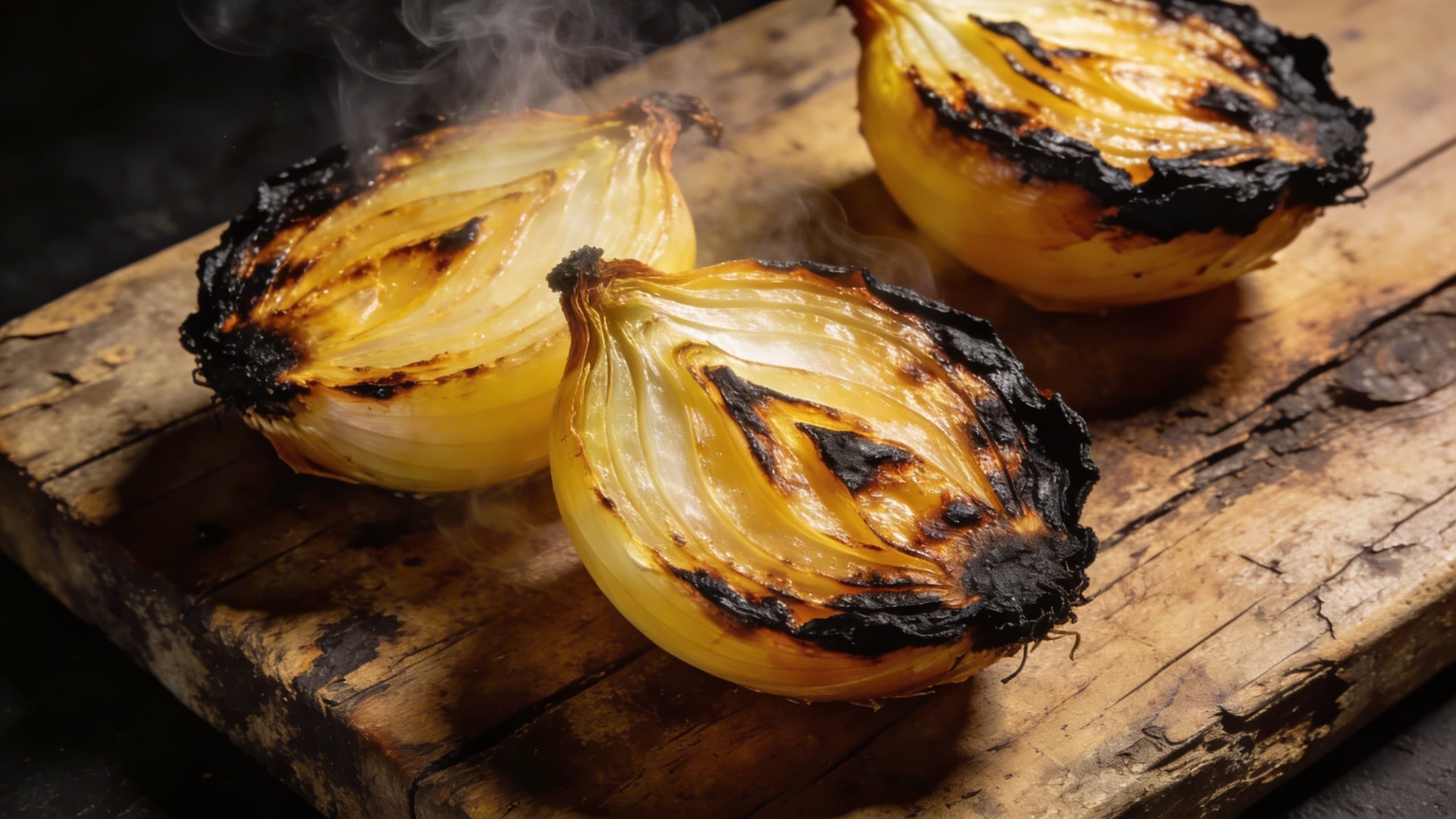
The Fix: I learned to char my "Aromatic Trinity"—onions, carrots, and celery—until they are nearly black on the edges before adding them to the pot. This provides a "natural" smoke infusion that feels part of the dish’s legacy rather than an additive.
Great cooking is about technique, not complexity. Respect the smoke, but never let it drown the soul of the meat.
4. Over-Smoking Mediterranean Herbs
Rosemary, thyme, and oregano are the heartbeat of Mediterranean cooking. However, when exposed to heavy smoke or smoky spices for a long duration, their volatile oils can oxidize and take on a medicinal, almost "pine-cleaner" quality.
The Fix: Treat your herbs as a finishing touch or "cold-infuse" them. If I’m making a smoky braise, I’ll bundle the herbs and add them only in the last 20 minutes of cooking. This preserves their "Vibrant" green notes, providing a necessary contrast to the heavy, dark notes of the smoke.
5. The Braising Hack: The Parchment Lid
When marrying smoky spices to meat, moisture loss is the enemy. Traditional lids allow for too much evaporation, which concentrates the smoky salts and can make the final sauce overwhelmingly salty.
The Fix: The Cartouche. Placing a circle of parchment paper directly on the surface of the meat and liquid before putting the lid on creates a micro-environment. It keeps the meat submerged, ensuring a "Harmony" of flavor where the smoke permeates the fibers evenly rather than just coating the outside.
Key Takeaway: Respect the Lineage
Fusion isn't about smashing two worlds together; it's about finding the common thread. Smoke is an ancient preservative and flavor enhancer found in every culture. When you use it to elevate a Mediterranean classic, do so with a light hand and a respect for the "Terroir" of your ingredients.
Pro Tip: If your dish ends up too smoky, don't add water. Add a splash of high-acid vinegar (like Sherry or Red Wine vinegar) or a dollop of Greek yogurt. Acid and dairy are the natural "mutes" for over-aggressive smoke.
Taste the history in every bite, and don't be afraid to fail. That’s where the best recipes are born.
#fusioncooking #mediterraneandiet #bbqtechniques #chefxi #smokescience