

5 Fusion Pitfalls to Dodge When Braising Rabbit for Pappardelle (And How I Nailed It with Galangal)
Bridging Italian Ragù and Southeast Asian Essence Without Losing the Soul of the Dish

The Lean Legacy of the Longe: From Italian Fields to Global Fusion
Braising rabbit for a traditional Pappardelle sulla Lepre (or Coniglio) is an exercise in patience and respect for the leanest of proteins. In the rolling hills of Tuscany, rabbit has long been the "peasant's prize"—a protein that requires the slow, rhythmic dance of a braise to unlock its soulful potential. But when we decide to bridge the gap between the Mediterranean and the aromatic intensity of Southeast Asia, we enter a territory where one wrong move can turn a masterpiece into a muddled mess.
My journey with the Galangal-Infused Braised Rabbit Pappardelle was born from a desire to respect the lineage of the ragù while introducing the vibrant, citrusy "Essence" of the Silk Road. Rabbit is a nutritional powerhouse, but its low fat content makes it a fickle friend in the kitchen.
Did You Know? Rabbit is one of the highest protein meats available while being significantly lower in calories and cholesterol than beef or pork. It contains high levels of Vitamin B12 and Selenium, making it a functional "super-protein" when handled correctly.
1. The "Dryness" Trap: Overlooking the Lean Science
The biggest pitfall in rabbit fusion is treating it like pork shoulder. Because rabbit is incredibly lean, it lacks the intramuscular fat (marbling) that protects other meats during a long simmer. If you blast it with high heat or a dry braise, you’ll end up with "culinary sawdust."
When I introduced Galangal, I realized its sharp, piney notes actually help stimulate the palate to perceive moisture, even in lean meat. The science here is about collagen conversion without fiber tightening.
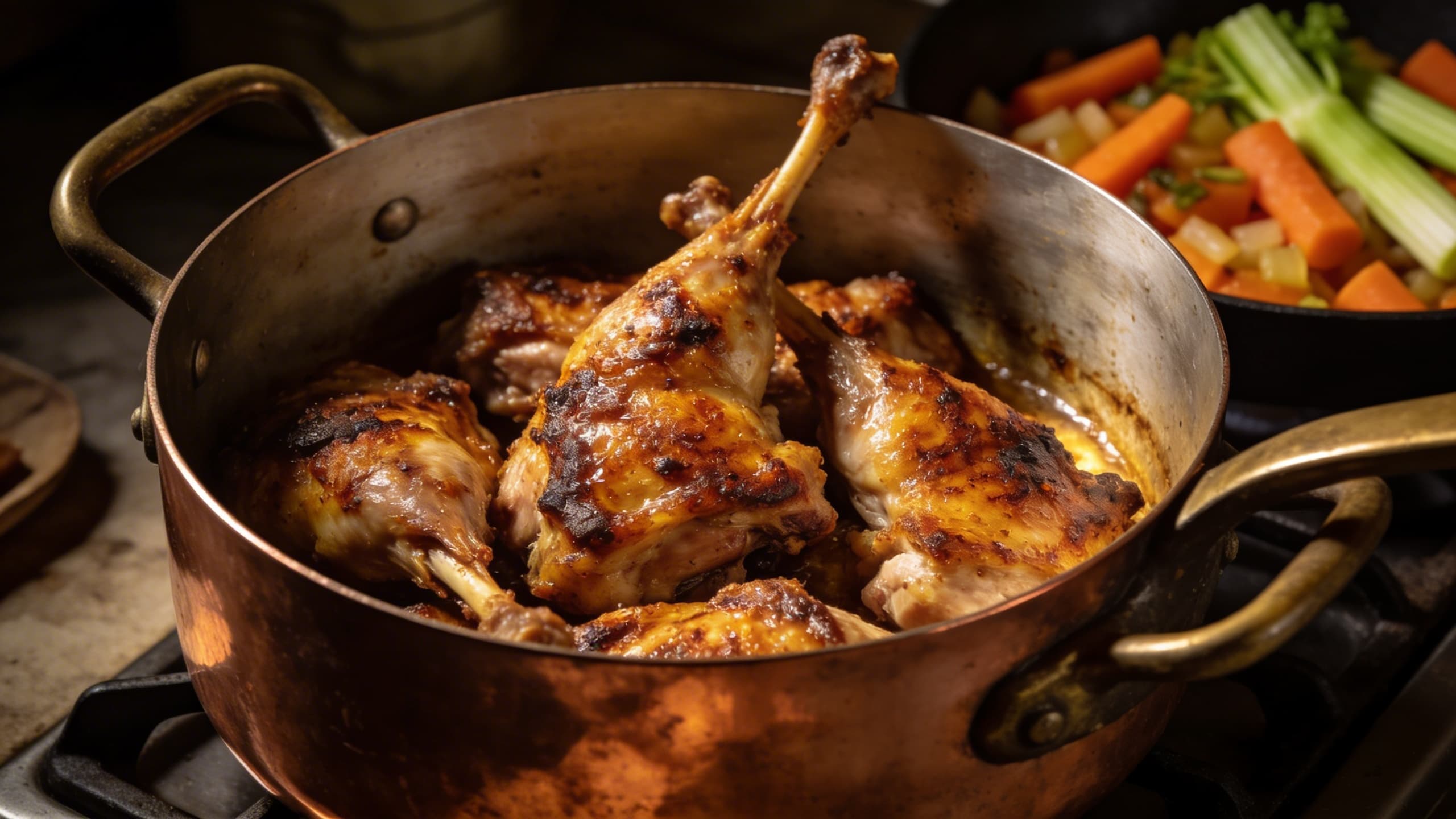
Tip: Always sear your rabbit pieces quickly in a heavy copper pot. You want the Maillard reaction for flavor, but you must move to the liquid phase before the internal temperature spikes too high.
2. The Acid Imbalance: Vinegar vs. Verjuice vs. Citrus
Traditional Italian ragù often uses a heavy red wine like Chianti. In my fusion experiments, I found that the tannins in heavy reds can sometimes clash with the medicinal, bright notes of galangal.
The pitfall? Using too much harsh acid. If you use a sharp rice vinegar alongside galangal, you strip the rabbit of its delicate "Provenance." I found harmony by using a dry, crisp white wine (like a Vermentino) and letting the galangal provide the "high notes" usually reserved for citrus or vinegar.
Great cooking is about technique, not complexity. It’s the art of knowing when to stop.
3. The Texture Clash: Pappardelle Integrity
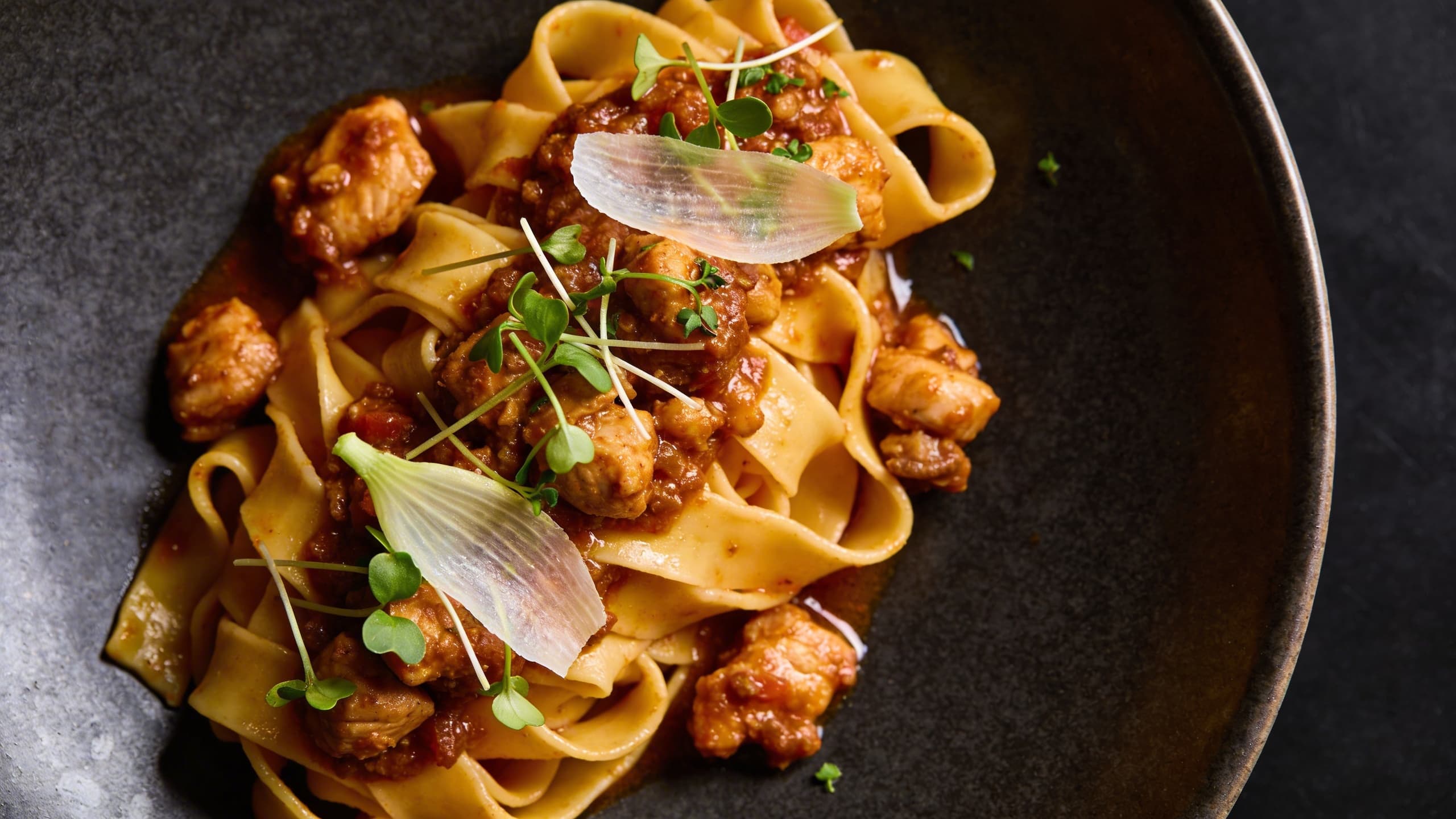
Pappardelle is a wide, majestic ribbon of pasta designed to carry heavy, chunky sauces. A common mistake is shredding the rabbit too finely, turning the dish into a mushy "fusion porridge."
To nail the texture, I keep the rabbit in larger, hand-torn chunks. This honors the "Soulful" nature of the dish. The galangal should be sliced into thin "coins" during the braise to infuse the liquid, then removed before serving so it doesn't interrupt the silky glide of the pasta.
4. Spice Overload: Losing the Rabbit’s Soul
Rabbit has a very subtle, slightly gamey flavor that is easily bullied. When you start playing with global spices, it’s tempting to add lemongrass, chili, and star anise all at once. Don't.
I learned this the hard way during a kitchen trial where the galangal was fighting for dominance with rosemary. The result was "soapy." The secret is to pick one "bridge" ingredient. In this case, the galangal replaces the traditional ginger or heavy black pepper, acting as the spicy, earthy anchor that connects the Italian soffritto to the East.
Pro Tip: If you can't find fresh galangal, do not substitute with standard ginger 1:1. Ginger is much "hotter" and more pungent. Galangal is citrusy and earthy. If you must use ginger, use half the amount and add a squeeze of lime zest to mimic the galangal profile.
5. The "Resting" Oversight
The final pitfall is serving the ragù immediately after the braise. Rabbit meat needs time to reabsorb the vibrant juices it "pushed out" during the cooking process.
I always let my rabbit ragù rest for at least 30 minutes off the heat before tossing it with the pasta. This is where the "Harmony" happens. The galangal-infused fats settle into the meat fibers, ensuring every bite is succulent rather than stringy.
Key Takeaway: Respect the lean nature of the rabbit by using a low-and-slow approach, choose one bold fusion bridge like galangal to avoid flavor fatigue, and never underestimate the power of a resting period for texture.
Braising rabbit isn't just about heat; it's about history. By avoiding these pitfalls, you aren't just making a meal—you are writing a new chapter in the legacy of fusion.
Taste the history.