

5 Common Mistakes When Using Fennel Pollen in Fusion Cooking—and How to Fix Them for Explosive Flavor
How to protect your culinary 'gold' and maximize flavor in bold fusion dishes.

The Gold of the Gods: Saving Your Investment in Fennel Pollen
Fennel pollen is often called "culinary fairy dust," and for good reason. It carries the concentrated essence of the Mediterranean—sweet, herbaceous, and intensely aromatic. But at roughly $15 to $20 per ounce, it is also one of the most expensive spices in your pantry. In my journey from the rolling hills of Tuscany to the vibrant markets of Mexico City, I’ve seen this "gold" treated with both reverence and, unfortunately, total negligence.
When we talk about fusion—marrying the anise-forward soul of Italy with the deep, smoky complexity of a Mexican mole or a Thai glaze—the stakes get even higher. One wrong move and you’ve not only muddied the flavor of your dish, but you’ve literally evaporated your hard-earned money.
Ingredients are the ink, the plate is the page. If your ink is fading, your story will never be told.
Below are the five most common mistakes I see chefs and home cooks make when integrating fennel pollen into global fusion dishes, and how you can fix them to ensure every grain delivers maximum impact.
1. The Heat Trap: Adding Pollen Too Early
The most frequent mistake is treating fennel pollen like a dried herb or a sturdy spice like cumin. If you toss it into a long-simmering mole or a reduction glaze at the start of the cook, the delicate volatile oils—those responsible for that magical "high note"—will vanish into the steam. You’re left with a faint, dusty aftertaste and a hole in your wallet.
The Fix: Think of fennel pollen as a "finishing" element. In a fusion glaze, whisk it in during the final 60 seconds of cooking. For a complex mole, sprinkle it over the dish just before serving or fold it into the final assembly. This preserves the "vibrant" essence that makes the spice worth its price tag.
Tip: If you must cook with it, create a "pollen oil" by gently warming it in a neutral oil (like grapeseed) at a very low temperature, then using that oil to finish your dish.
2. Sourcing Sabotage: Buying "Fennel Dust" Instead of Pollen
Because of its high price, the market is flooded with lower-quality "fennel powder" or ground fennel seeds passed off as pollen. True fennel pollen is harvested by hand from the tiny yellow flowers of wild fennel. If your "pollen" looks like dull grey-green dust rather than bright golden-green granules, you’ve been overcharged for a subpar product.
The Fix: Look for "Wild Fennel Pollen" specifically from Italy or California. The aroma should be immediate and intoxicating—like honeyed licorice. If you can’t smell it through the jar, don't buy it. Buying high-quality pollen once is cheaper than buying "fennel dust" three times to try and achieve the same flavor profile.
3. The Storage Science: Letting Your Investment Oxidize
Fennel pollen is incredibly sensitive to light, heat, and oxygen. I’ve walked into many kitchens where a $50 jar of pollen is sitting on a shelf right above the stove. Within a month, that "fairy dust" has lost 70% of its potency. Using twice as much to compensate for lost flavor is a fast way to drain your budget.
The Fix: Store your pollen in a small, airtight glass jar in a cool, dark place—ideally the freezer if you aren't using it weekly. Keeping it cold slows the degradation of the delicate oils.
Pro Tip: Divide a large jar into smaller containers so you aren't exposing the entire batch to oxygen every time you cook.
4. Flavor Masking: Overpowering with Heavy Smoke
In BBQ and fusion cooking, we love smoke. However, if you're using heavy hickory or mesquite, the delicate floral notes of fennel pollen will be completely obliterated. You’re essentially seasoning your smoke with money.
The Fix: Pair fennel pollen with "lighter" smoke profiles like applewood, cherry, or even grapevines. In a fusion context—like a fennel-rubbed pork belly with a miso-honey glaze—ensure the smoke is a background singer, not the lead vocalist. The pollen should bridge the gap between the fat of the meat and the sweetness of the glaze.
Did You Know? Fennel pollen contains high levels of anethole, the same compound found in star anise and licorice, which has natural digestive properties—making it the perfect partner for rich, fatty fusion meats.
5. Texture Neglect: Missing the "Crunch" Factor
Fennel pollen isn't just about scent; it has a unique, slightly resinous texture. When mixed into wet marinades or heavy sauces, that texture is lost.
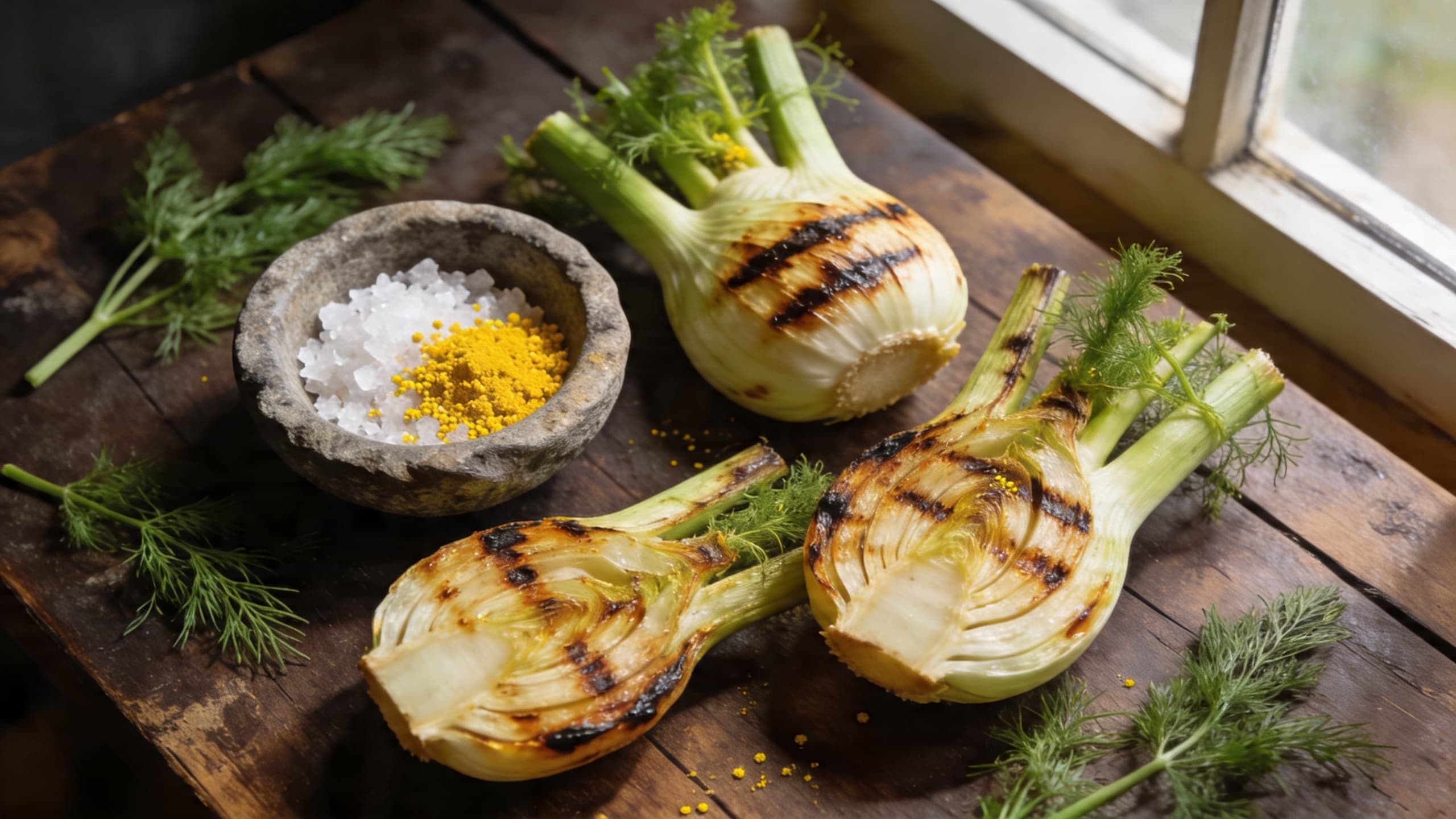
The Fix: Use it as part of a dry finishing salt. Mix one part fennel pollen with two parts flaky sea salt (like Maldon). Use this "Fennel Salt" to finish grilled octopus or charred vegetables. The salt draws out the moisture on the surface of the food, creating a concentrated "flavor bomb" that hits the palate first.
The Legacy of the Bloom
Respecting the lineage of fennel pollen means understanding that it is a gift from the landscape. Whether you are using it to elevate a traditional Italian porchetta or daring to pair it with a spicy Korean gochujang glaze, the goal is harmony.
By avoiding these five pitfalls, you ensure that this ancient ingredient continues to tell its soulful story on your plate, without costing you a fortune in the process.
Key Takeaway: Treat fennel pollen as a luxury finishing touch. Protect it from heat and light, buy only the purest wild-harvested grains, and always let it have the final word on the plate.
Taste the history. Respect the bloom.
#fennelpollen #fusioncooking #kitchenhacks #moneysavingtips #chefxi